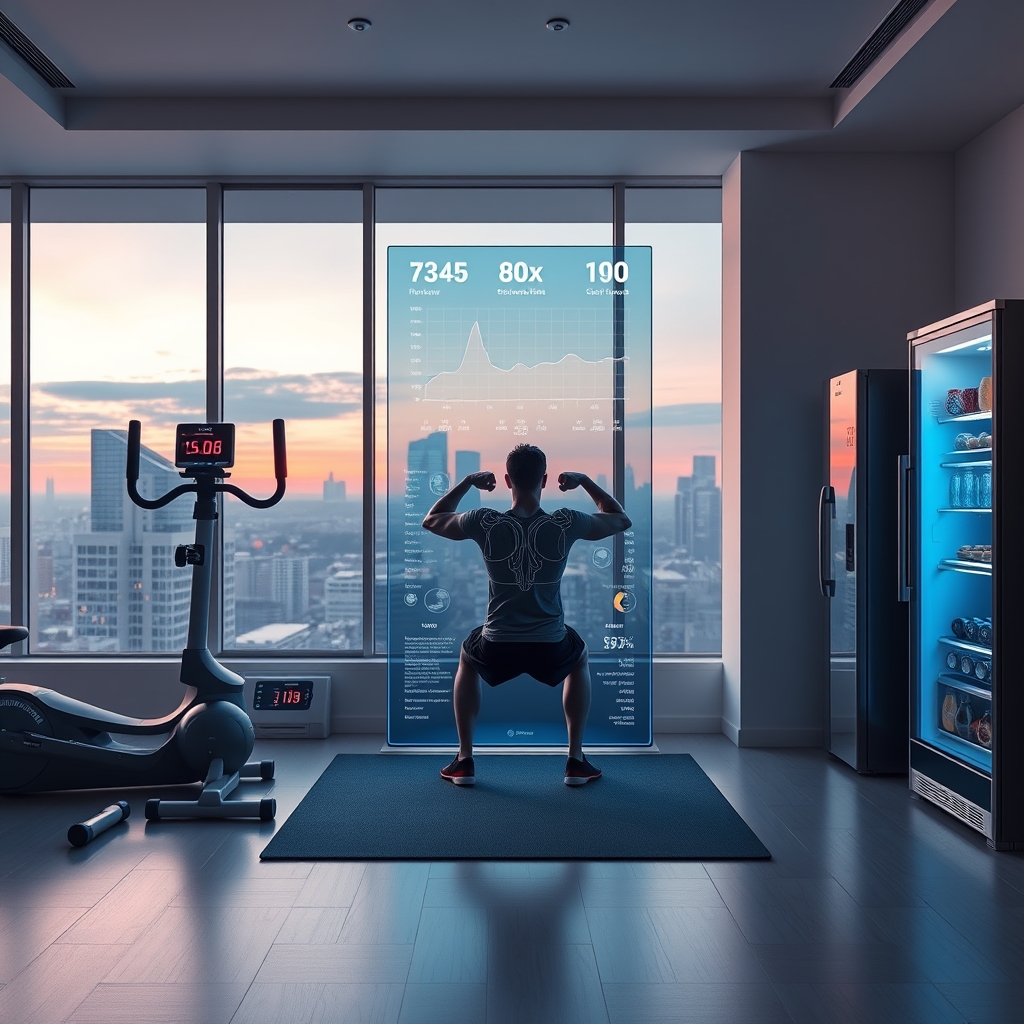
The Science of You: How AI, Smart Home Gyms, and Biohacking Are Unlocking Hyper-Specific Body Transformations in 2026
Imagine stepping into your home gym at 6 AM, where the lights adjust to your circadian rhythm, the temperature is set to optimize muscle recovery, and your AI coach greets you by name—already knowing your sleep quality, stress levels, and last workout’s performance. This isn’t a scene from a sci-fi movie; it’s the reality of fitness & gym culture in 2026, where personalized workout AI, smart home gym integration, and precision nutrition & AI dieting are converging to create hyper-specific body transformations unlike anything we’ve seen before. The era of generic workout plans and one-size-fits-all diets is over. Now, the science of *you* is taking center stage.
The Rise of Hyper-Personalized Workouts: AI as Your 24/7 Coach
Gone are the days of guessing which exercises will yield the best results. Today’s AI-driven workouts analyze your biomechanics, fatigue levels, and even genetic predispositions to craft a program that evolves with you. Smart mirrors like Tonal and Tempo use computer vision to correct your form in real time, while wearables like WHOOP and Oura provide instant feedback on recovery readiness. But the real game-changer? AI doesn’t just react—it predicts.
For example, if your wearable detects elevated cortisol levels, your AI coach might swap today’s high-intensity session for a mobility-focused routine to prevent burnout. Or, if your smart scale shows a slight dip in muscle mass, your program could auto-adjust to prioritize hypertrophy. This level of hyper-specific body transformation ensures every rep, set, and rest period is optimized for *your* body, not a hypothetical average.
How Smart Home Gyms Are Redefining Convenience and Performance
The traditional gym model is being disrupted by smart home gym integration, where space-saving equipment packs the power of a full facility into a spare room. Devices like Peloton’s Row and Mirror’s interactive display bring studio-quality workouts home, but the real innovation lies in their ability to sync with your broader ecosystem. Your smart fridge logs your protein intake, your sleep tracker adjusts your bedtime to improve recovery, and your AI assistant schedules workouts around your most productive hours.
But it’s not just about convenience. These systems use machine learning to identify patterns in your performance. Struggling with deadlifts on Mondays? Your AI might suggest shifting them to Wednesdays when your energy peaks. Consistently hitting PRs after a specific warm-up? It’ll lock that routine into your program. The result? A gym that adapts to you, not the other way around.
Precision Nutrition: AI’s Role in Crafting Your Perfect Diet
If workouts are the engine of transformation, nutrition is the fuel—and precision nutrition & AI dieting are ensuring it’s the right kind. Apps like Nutrino and PlateJoy use AI to analyze your blood sugar responses, microbiome data, and even how your body metabolizes different foods. No more generic meal plans; instead, you get a dynamic diet that adjusts based on your activity levels, stress, and goals.
For instance, if your continuous glucose monitor shows a spike after oatmeal, your AI might suggest swapping it for a lower-glycemic option like quinoa. Or, if your wearable detects poor sleep, it could recommend magnesium-rich foods or a slight calorie increase to support recovery. This isn’t just about macros—it’s about understanding how *your* body responds to food in real time and using that data to fuel performance.
The Biohacking Revolution: Recovery Tech and Beyond
Transformation doesn’t happen in the gym—it happens during recovery. That’s where recovery tech & biohacking come into play. From cryotherapy chambers that reduce inflammation to red-light therapy panels that accelerate muscle repair, the tools available today are turning recovery into a science. But the real breakthrough is how these tools integrate with AI to create a closed-loop system.
Imagine finishing a brutal leg day and receiving a notification from your AI: “Your HRV is low—opt for a 10-minute cold plunge and 20 minutes of compression therapy.” Or, if your sleep data shows poor REM cycles, your AI might suggest adjusting your caffeine cutoff time or trying a weighted blanket. These aren’t guesses; they’re data-driven strategies tailored to your physiology.
From Data to Dominance: The Future of Hyper-Specific Transformation
The convergence of AI-driven workouts, smart home gyms, and precision nutrition isn’t just changing how we train—it’s redefining what’s possible. In 2026, fitness isn’t about following a plan; it’s about having a plan that follows *you*. Every variable, from the foods you eat to the way you recover, is optimized for your unique biology. The result? Faster progress, fewer injuries, and transformations that were once thought impossible.
But the most exciting part? This is just the beginning. As AI becomes more sophisticated and wearables more advanced, the line between fitness and technology will blur even further. Soon, your AI coach won’t just know your workout history—it’ll anticipate your needs before you do. Your smart home gym won’t just track your reps—it’ll adjust resistance in real time based on your fatigue levels. And your diet won’t just be personalized—it’ll be predictive, adapting to your body’s needs before they even arise.
So, if you’re still following a generic plan, ask yourself: What could you achieve if every aspect of your fitness journey was designed *just for you*? The tools are here. The science is proven. The only question left is—are you ready to step into the future of fitness?
