The Next Evolution of Fitness: How AI, Smart Home Gyms, and Biohacking Are Creating Unprecedented Body Transformations in 2026
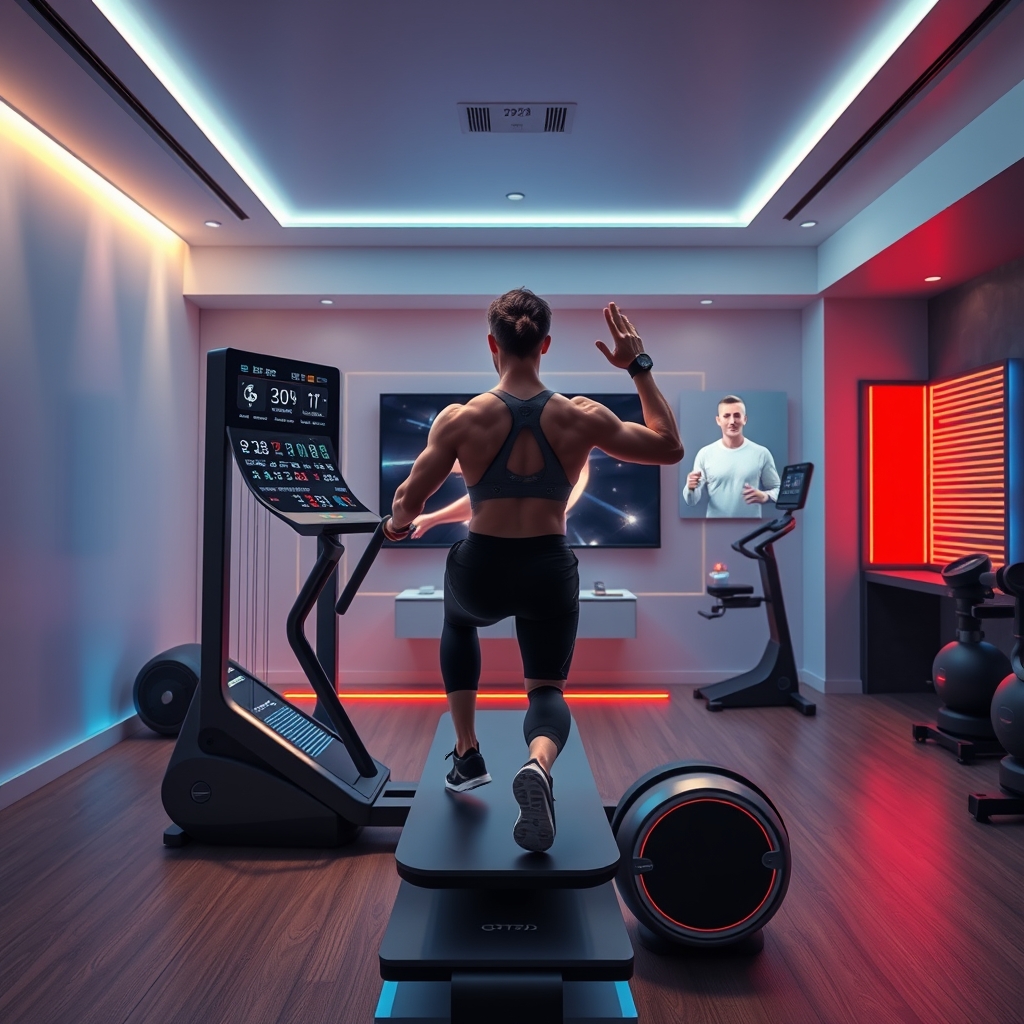
Imagine stepping into your home gym at 6 AM, where the lights adjust to your circadian rhythm, the temperature is set to optimize muscle performance, and your AI coach greets you by name—already knowing your sleep quality, stress levels, and nutritional intake from the past 24 hours. This isn’t a scene from a sci-fi movie; it’s the reality of fitness & gym culture in 2026, where personalized workout plans, smart home gym integration, and precision nutrition are no longer luxuries but expectations. The era of generic fitness routines is over, and in its place, a hyper-specific, data-driven approach to body transformation is taking center stage.
The Rise of AI-Powered Personalized Workout Plans
Gone are the days of flipping through fitness magazines or guessing which exercises will yield the best results. Today, artificial intelligence is revolutionizing the way we approach personalized workout routines by analyzing biometric data, movement patterns, and even genetic predispositions. Platforms like Tonal, Mirror, and Future use AI to adjust resistance, reps, and form in real-time, ensuring every squat, lift, or sprint is optimized for your unique physiology.
But it doesn’t stop there. AI-driven wearables, such as WHOOP and Oura Ring, track recovery metrics like heart rate variability (HRV) and sleep stages, feeding this data back into your workout plan. If your body is fatigued, the system might suggest active recovery or mobility work instead of a high-intensity session. This level of customization wasn’t possible a decade ago, but now, it’s the gold standard in fitness & gym culture.
How Smart Home Gyms Are Redefining Convenience and Performance
The shift toward smart home gym integration isn’t just about saving time—it’s about elevating performance. Modern home gyms are equipped with AI-powered equipment that adapts to your progress, eliminating the guesswork from strength training and cardio. For example, Peloton’s AI-driven bike adjusts resistance based on your power output, while Tempo Studio uses 3D motion sensors to correct your form in real-time.
But the real magic happens when these systems sync with your broader smart home ecosystem. Imagine your thermostat lowering the temperature to enhance endurance during a HIIT session, or your smart speaker playing a curated playlist based on your heart rate. These integrations create an immersive, adaptive environment that makes every workout feel like a session with a world-class trainer—without leaving your living room.
Precision Nutrition: The AI Dieting Revolution
If workouts are the engine of body transformation, nutrition is the fuel—and in 2026, that fuel is more precise than ever. Precision nutrition & AI dieting have moved beyond calorie counting, leveraging machine learning to analyze blood glucose levels, gut microbiome data, and even genetic markers to craft meal plans that optimize performance, recovery, and fat loss.
Apps like Nutrino and PlateJoy use AI to generate hyper-personalized meal plans based on your dietary preferences, allergies, and metabolic rate. Meanwhile, continuous glucose monitors (CGMs) provide real-time feedback on how different foods affect your energy levels, allowing for instant adjustments. This level of detail ensures that your diet isn’t just healthy—it’s strategically aligned with your fitness goals.
The Role of Biohacking in Recovery and Performance
Recovery is the unsung hero of fitness, and in 2026, recovery tech & biohacking are taking it to new heights. From cryotherapy chambers to red light therapy panels, athletes and casual gym-goers alike are using cutting-edge tools to accelerate muscle repair and reduce inflammation. But the real game-changer? AI-driven recovery platforms that analyze your biometrics to recommend the perfect post-workout protocol.
For instance, devices like Hyperice’s Normatec boots use dynamic compression to enhance circulation, while AI-powered apps like Restore suggest optimal sleep schedules and recovery techniques based on your stress levels and workout intensity. This fusion of technology and biology is making recovery as personalized and data-driven as the workouts themselves.
Hyper-Specific Body Transformations: The Future of Fitness
The ultimate goal of this technological revolution isn’t just to get fit—it’s to achieve hyper-specific body transformations tailored to your lifestyle, genetics, and aspirations. Whether you’re training for a marathon, sculpting a physique for a bodybuilding competition, or simply aiming to age gracefully, AI and smart tech are making it possible to target every aspect of your fitness journey with surgical precision.
Take, for example, the rise of AI-powered body scanning. Companies like Naked Labs and 3DLOOK use advanced imaging to track muscle growth, fat loss, and posture changes over time, providing a level of detail that was once only available in professional labs. Combined with AI-driven coaching, these tools allow you to adjust your training and nutrition in real-time, ensuring you’re always moving toward your ideal physique.
What This Means for the Future of Fitness
The integration of AI, smart home gyms, and precision nutrition isn’t just a trend—it’s a fundamental shift in how we approach health and fitness. The days of one-size-fits-all workout plans and generic diet advice are fading, replaced by a new era of hyper-personalization where every rep, every meal, and every recovery session is optimized for your body.
As these technologies continue to evolve, the line between professional athletes and everyday gym-goers will blur. The tools that were once reserved for elite performers are now accessible to anyone with a smartphone and a willingness to embrace the future. The question isn’t whether you’ll adopt these innovations—it’s how soon you’ll start using them to unlock your full potential. And when you do, your fitness journey will never be the same.
