The Next Evolution of Fitness: AI-Driven Workouts, Smart Home Gyms, and Biohacking for Unmatched Precision in 2026
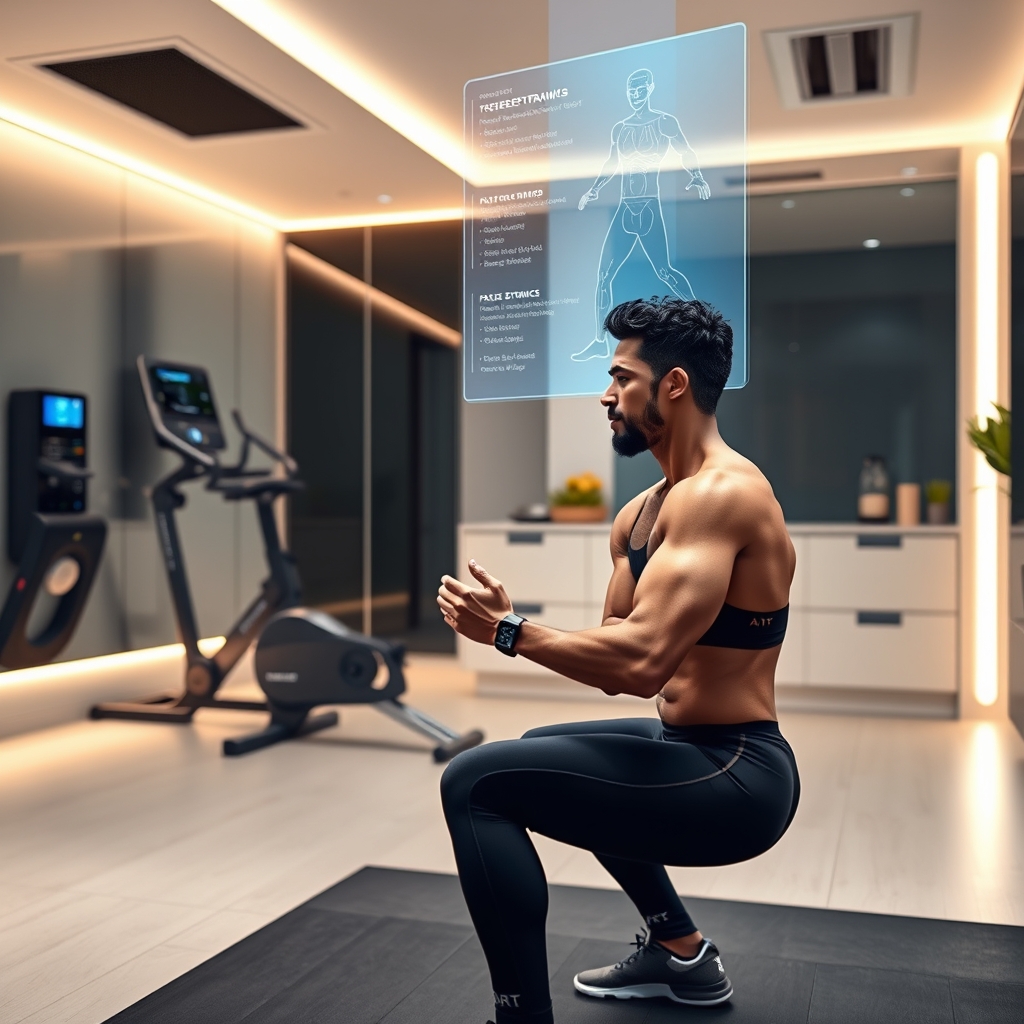
Imagine stepping into your home gym at 6 AM, where the lights adjust to your circadian rhythm, the temperature is optimized for performance, and your AI coach greets you with a workout tailored not just to your goals—but to your biology. This isn’t a scene from a sci-fi movie; it’s the reality of fitness & gym culture in 2026, where personalized workout AI, smart home gym integration, and precision nutrition & AI dieting are converging to redefine what’s possible for your body. The era of generic fitness advice is over. Today, technology doesn’t just support your transformation—it predicts, adapts, and evolves with you, turning every rep, meal, and recovery session into a data-driven step toward your ideal self.
The Rise of AI-Powered Personalization in Workouts
Gone are the days of flipping through workout plans or guessing which exercises will yield results. Personalized workout AI is now the gold standard, leveraging machine learning to analyze your biomechanics, recovery rates, and even genetic predispositions. Platforms like Tonal, Mirror, and Future use real-time feedback to adjust resistance, form, and intensity, ensuring every session is optimized for hyper-specific body transformation. But it doesn’t stop there.
AI coaches now integrate with wearables to track muscle fatigue, hydration levels, and sleep quality, dynamically tweaking your program to prevent overtraining or injury. For example, if your smartwatch detects elevated cortisol levels, your AI might swap a high-intensity session for mobility work or active recovery. This level of recovery tech & biohacking isn’t just for elite athletes—it’s becoming accessible to anyone with a smartphone and a smart home gym.
How Smart Home Gyms Are Redefining Convenience and Results
The traditional gym model is being disrupted by smart home gym integration, which brings the power of a fully equipped facility into your living room. Devices like Peloton, Tempo, and NordicTrack Vault combine AI-driven coaching with compact, connected equipment that adapts to your space and goals. These systems don’t just stream workouts—they learn from you. Over time, they refine your program based on performance data, ensuring progressive overload without plateaus.
But the real game-changer? Seamless integration with other smart home devices. Imagine your Whoop band signaling your thermostat to lower the temperature for optimal recovery post-workout, or your NutriBullet blender automatically preparing a post-workout smoothie based on your precision nutrition & AI dieting plan. This ecosystem of connected tech turns your home into a biohacking lab, where every variable is controlled for maximum efficiency.
Precision Nutrition: AI’s Role in Fueling Your Transformation
Nutrition has always been the missing link in fitness transformations, but AI dieting is changing that. Apps like Nutrino (acquired by Medtronic) and PlateJoy use AI to analyze your blood sugar responses, metabolic rate, and even gut microbiome to craft meal plans that are as unique as your DNA. No more one-size-fits-all macros—just hyper-personalized recommendations that evolve as your body does.
For those pursuing hyper-specific body transformation, AI can now predict how your body will respond to different foods, adjusting portions and timing to optimize fat loss, muscle gain, or performance. Pair this with smart kitchen appliances like Innit or ChefSteps, and you have a system that not only tells you what to eat but how to prepare it for maximum nutrient absorption. The result? Faster results with less guesswork.
The Science of Recovery: Biohacking for Faster Gains
Recovery is the unsung hero of fitness, and recovery tech & biohacking are making it smarter than ever. From Hyperice percussion devices to Eight Sleep smart mattresses, technology is now targeting the often-overlooked aspects of performance: sleep, inflammation, and tissue repair. AI-driven recovery tools analyze your sleep stages, heart rate variability (HRV), and even breathing patterns to recommend interventions like red-light therapy, cryotherapy, or dynamic stretching routines.
For example, if your Oura Ring detects poor sleep quality, your AI coach might suggest a magnesium supplement or a guided breathing exercise to improve REM cycles. Similarly, if your WHOOP strap notes elevated inflammation, it could recommend a contrast shower or a specific mobility drill to speed up recovery. These micro-adjustments add up, turning passive recovery into an active part of your transformation.
The Future Is Hyper-Specific: What’s Next for Fitness Tech?
The next frontier of fitness isn’t just about working harder—it’s about working smarter. As AI continues to evolve, we’re moving toward a world where your workout, diet, and recovery are so precisely calibrated that plateaus become a thing of the past. Companies like Vi by LifeBEAM and WHOOP are already experimenting with AI that can predict injuries before they happen, while startups like Zoe are decoding the gut microbiome to personalize nutrition at a molecular level.
But the most exciting part? This technology is no longer reserved for the elite. With the rise of affordable smart home gyms and AI-powered apps, hyper-specific body transformation is within reach for anyone willing to embrace it. The key is to start small: integrate one piece of smart tech into your routine, whether it’s a wearable, a connected dumbbell, or an AI nutrition app. Over time, these tools will sync into a cohesive system, turning your fitness journey into a data-driven masterpiece.
Your body is unique, and your approach to fitness should be too. In 2026, the tools to achieve your most ambitious goals aren’t just available—they’re waiting for you to plug in, power up, and transform like never before.
