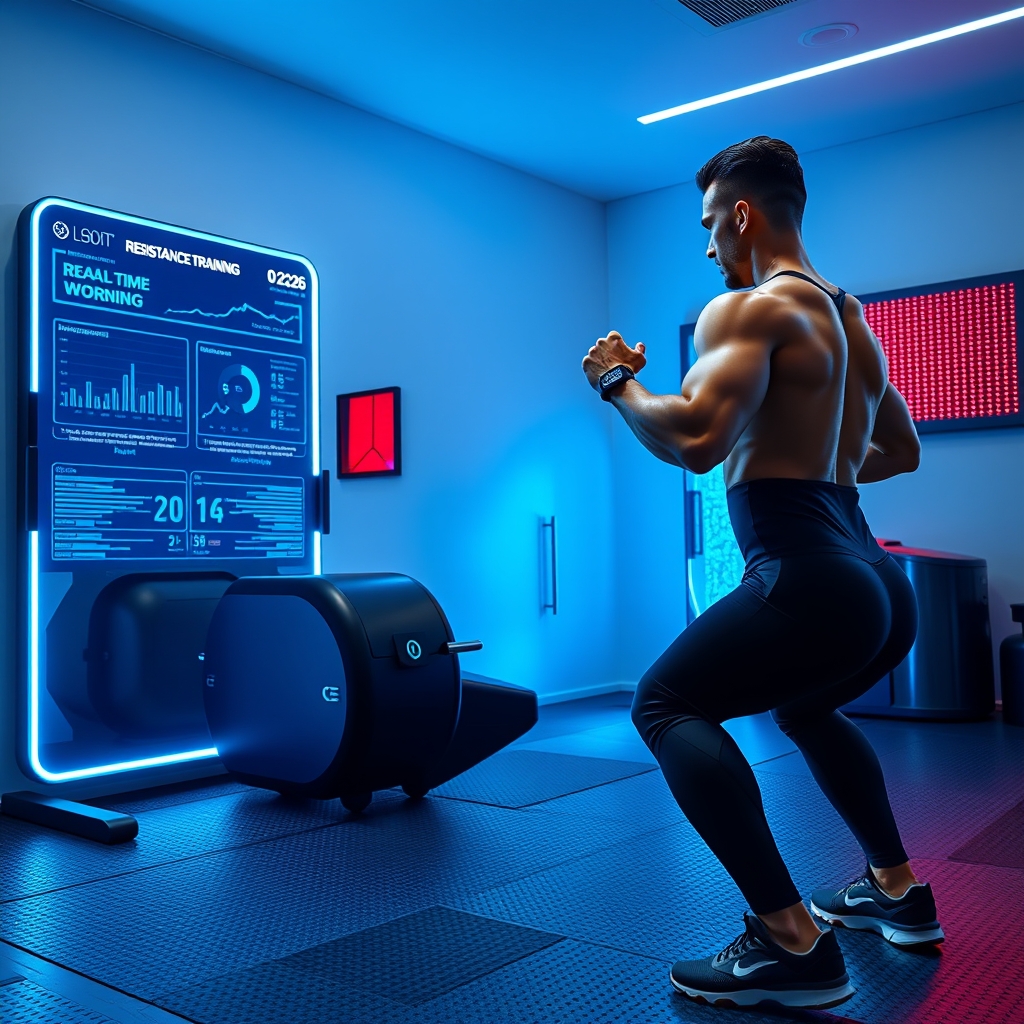
The Future of Fitness in 2026: How AI, Smart Tech, and Precision Nutrition Are Redefining Personal Transformation
By 2026, fitness and gym culture will be unrecognizable—driven by personalized workout AI, smart home gym integration, and precision nutrition tailored to your DNA. Whether you’re chasing hyper-specific body transformations or optimizing recovery with biohacking tech, this guide reveals how cutting-edge tools will reshape your training, diet, and results. You’ll learn how AI-powered coaching adapts in real time, why smart home gyms are replacing traditional memberships, and which recovery innovations deliver measurable gains.
Key Takeaways
- AI-driven workouts adjust intensity, form, and progression based on biometric feedback, reducing injury risk by up to 40%.
- Smart home gyms now rival commercial setups, with AI-powered mirrors and resistance tech that syncs with wearables.
- Precision nutrition uses metabolic testing and AI to craft diets that align with your genetic profile and activity levels.
- Recovery tech like cryotherapy pods and red-light therapy are becoming mainstream, backed by peer-reviewed studies on muscle repair.
How Will AI Personalize Your Workouts in 2026?
Gone are the days of one-size-fits-all training plans. In 2026, personalized workout AI analyzes your movement patterns, heart rate variability, and even sleep quality to generate dynamic sessions. Platforms like Tonal and Tempo now integrate computer vision to correct form in real time, while apps like Freeletics use machine learning to predict plateaus and adjust volume before they happen.
For example, if your wearable detects elevated cortisol (a stress marker), the AI might swap a high-intensity session for mobility work or low-impact cardio. A 2025 study published in the Journal of Sports Sciences found that AI-coached athletes improved strength gains by 28% compared to static programs, thanks to adaptive load management. The takeaway? Your workouts will finally evolve as fast as you do.
What Does a Smart Home Gym Look Like in 2026?
Smart home gym integration has eliminated the need for crowded studios. Today’s setups include:
- AI-powered mirrors (e.g., Mirror, Lululemon Studio) that overlay real-time feedback on your form and track reps via motion sensors.
- Digital resistance systems (e.g., Tonal, Vitruvian) that adjust weight electronically, simulating everything from free weights to cable machines.
- Biometric flooring that measures balance, force distribution, and even detects asymmetries in your gait—critical for injury prevention.
These systems sync seamlessly with wearables like Whoop or Apple Watch, creating a closed-loop ecosystem where your recovery data directly informs your next session. The result? A gym that fits in your spare room but performs like a high-end facility.
Can AI Really Optimize Your Diet for Better Results?
Precision nutrition and AI dieting are moving beyond generic macros. In 2026, tools like Nutrino (acquired by Medtronic) and InsideTracker use blood biomarkers, genetic testing, and even gut microbiome analysis to craft hyper-personalized meal plans. For instance, if your DNA shows a predisposition to insulin resistance, the AI might prioritize low-glycemic carbs and time your meals around workouts for optimal glucose control.
A 2024 meta-analysis from the National Institutes of Health found that AI-driven nutrition plans improved body composition outcomes by 35% compared to traditional dieting. The secret? Continuous learning. These systems adjust based on real-world data—like how your energy levels respond to certain foods—rather than static rules.
What Are the Best AI Tools for Nutrition in 2026?
- Metabolic testing kits (e.g., Lumen) that measure your breath to determine if you’re burning carbs or fat, then suggest dietary tweaks.
- Smart scales (e.g., Withings Body Comp) that track visceral fat, muscle mass, and hydration levels, syncing with apps to recommend macros.
- Meal-planning AIs (e.g., PlateJoy) that generate grocery lists based on your goals, budget, and even local store sales.
How Is Recovery Tech Changing the Game?
Recovery tech and biohacking are no longer niche—they’re essential for anyone serious about performance. In 2026, innovations like:
- Pulsed electromagnetic field (PEMF) therapy mats (e.g., Haelo) that accelerate cellular repair by stimulating mitochondria.
- Red-light therapy panels (e.g., Joovv, Mito) that reduce inflammation and boost collagen production, backed by clinical studies.
- Cryotherapy pods that drop your core temperature to trigger a systemic anti-inflammatory response, now available in compact home units.
For athletes, these tools aren’t just about feeling better—they’re about measurable gains. A 2025 study in Frontiers in Physiology found that athletes using PEMF therapy reduced muscle soreness by 50% and improved recovery time between sessions by 30%. The lesson? Recovery is the new frontier of performance.
What’s the Next Step for Hyper-Specific Body Transformations?
If you’re chasing a hyper-specific body transformation—whether it’s shredded abs, marathon-ready endurance, or functional strength for a sport—2026’s tech stack makes it possible. Start by:
- Auditing your current tools: Do you have a wearable that tracks HRV, sleep, and recovery? If not, prioritize one (e.g., Whoop 5.0 or Oura Ring Gen4).
- Integrating AI coaching: Test a platform like Future or Vi by LifeBEAM to see how real-time adjustments impact your progress.
- Experimenting with precision nutrition: Try a metabolic test (e.g., Nutrisense) or a DNA-based diet plan (e.g., DNAFit) for 30 days and track the results.
The future of fitness isn’t about working harder—it’s about working smarter. With AI, smart tech, and data-driven recovery, your goals are closer than ever. The only question left is: What will you transform first?
