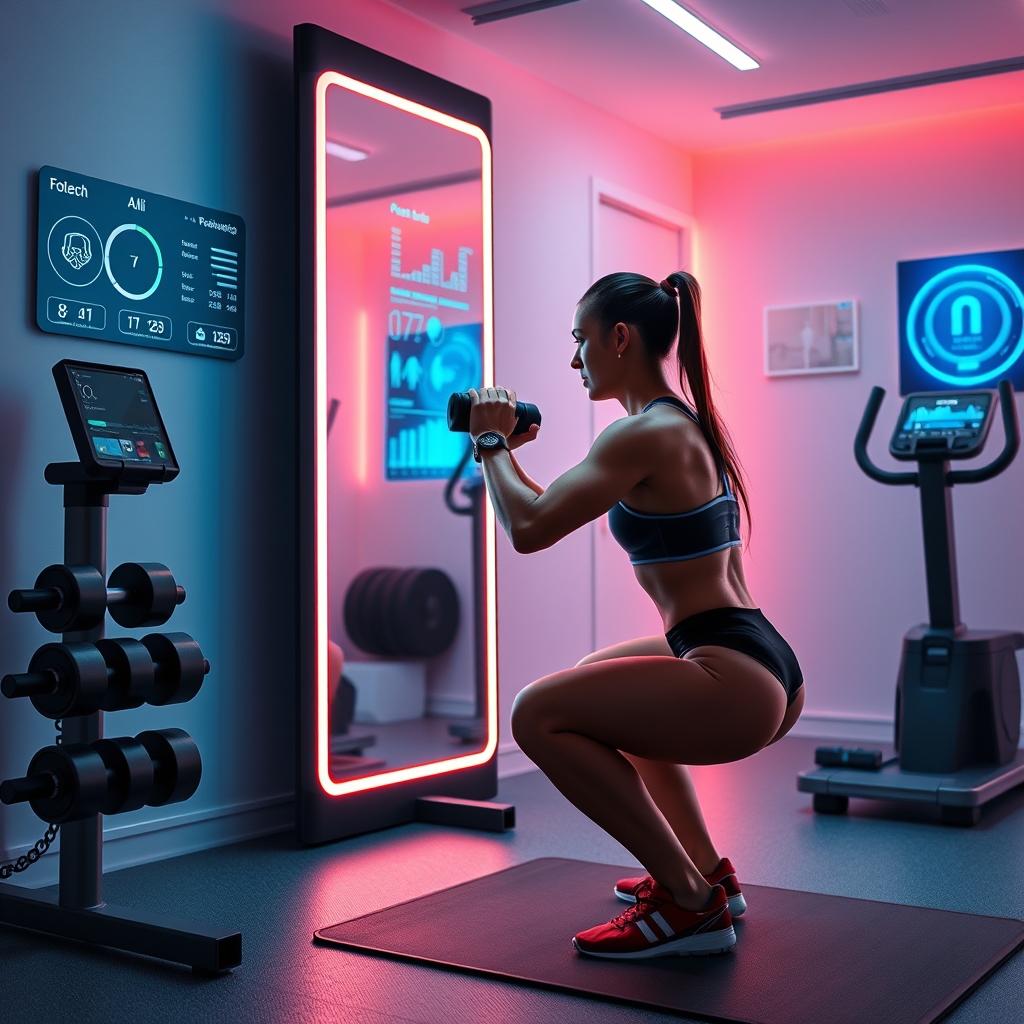
The Future of Fitness in 2026: How AI, Smart Gyms, and Precision Tech Are Redefining Your Workout
By 2026, fitness and gym culture will be unrecognizable—driven by personalized workout AI, smart home gym integration, and hyper-specific body transformations powered by recovery tech and precision nutrition. Whether you’re a gym veteran or a beginner, you’ll learn how AI tailors workouts to your genetics, how smart home gyms adapt in real time, and why recovery and dieting are becoming as data-driven as your training. This isn’t just about lifting heavier; it’s about training smarter, recovering faster, and achieving results with surgical precision.
Key Takeaways
- AI-powered fitness platforms now customize workouts based on real-time biometrics, genetics, and recovery data.
- Smart home gyms integrate with wearables and AI to adjust resistance, form, and intensity dynamically.
- Precision nutrition and AI dieting optimize macros and meal timing for individual metabolic responses.
- Recovery tech—like cryotherapy pods and biofeedback wearables—accelerates muscle repair and reduces injury risk.
How Does Personalized Workout AI Actually Work in 2026?
Gone are the days of generic workout plans. In 2026, AI-driven fitness coaching analyzes your movement patterns, heart rate variability (HRV), sleep quality, and even genetic markers to create hyper-personalized routines. Platforms like AI-powered biomechanics systems (validated by peer-reviewed research) now predict injury risks before they happen, adjusting your program to prevent overuse.
For example, if your wearable detects elevated cortisol levels, your AI coach might swap a high-intensity session for mobility work or active recovery. This isn’t guesswork—it’s real-time adaptation based on physiological feedback. The result? Faster progress, fewer plateaus, and a lower risk of burnout or injury.
What Does Smart Home Gym Integration Look Like Today?
Smart home gyms in 2026 are no longer just connected treadmills or resistance bands with Bluetooth. They’re fully integrated ecosystems that sync with your wearables, AI assistants, and even your smart home lighting and thermostat. Imagine a mirror that corrects your squat form in real time or a resistance trainer that adjusts weight based on your fatigue levels—all while your AI coach narrates adjustments via voice commands.
Companies like Tonal and Peloton have already pioneered this space, but 2026 takes it further. Your home gym now learns your preferences: it dims the lights for yoga sessions, plays motivational playlists during HIIT, and even suggests recovery stretches based on your post-workout biometrics. The goal? A seamless, immersive experience that removes friction from your fitness routine.
Why Is Precision Nutrition and AI Dieting a Game-Changer?
Nutrition is no longer one-size-fits-all. In 2026, AI dieting platforms use continuous glucose monitors (CGMs), metabolic testing, and microbiome analysis to tailor macros, meal timing, and even supplement recommendations. Apps like Nutrino (acquired by Medtronic) and Levels now provide real-time feedback on how your body responds to different foods, helping you optimize energy, recovery, and body composition.
For instance, if your CGM shows a blood sugar spike after oatmeal, your AI nutritionist might suggest pairing it with protein or healthy fats to stabilize glucose. This level of precision ensures you’re fueling for performance, not just following generic diet trends. The result? Better fat loss, muscle gain, and metabolic health—without the guesswork.
How Is Recovery Tech and Biohacking Evolving in 2026?
Recovery is the new frontier of fitness. In 2026, biohacking tools like red-light therapy panels, pneumatic compression boots, and AI-driven cryotherapy pods are standard in both home and commercial gyms. Wearables now track muscle oxygen saturation, nerve conductivity, and even brainwave patterns to recommend recovery protocols tailored to your nervous system.
For example, if your Oura Ring detects poor sleep quality, your recovery app might suggest a 20-minute red-light session to boost mitochondrial function or a guided breathing exercise to lower cortisol. Elite athletes have used these tools for years, but in 2026, they’re accessible to everyday gym-goers—making recovery as strategic as your workout.
What Does a Hyper-Specific Body Transformation Look Like in 2026?
Body transformations in 2026 are no longer about vague goals like
