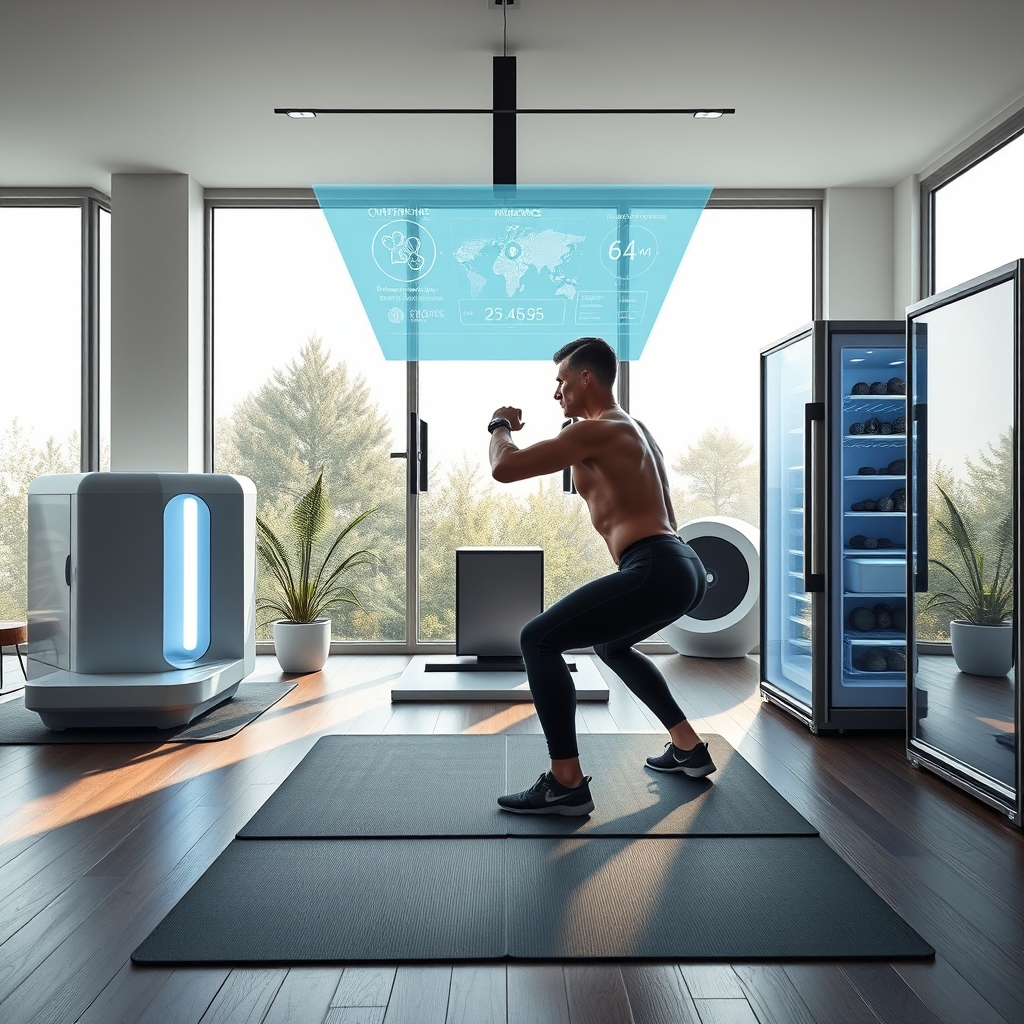
The 2026 Fitness Revolution: How AI, Smart Home Gyms, and Precision Tech Deliver Hyper-Specific Body Transformations at Home
By 2026, fitness and gym culture have evolved into a hyper-personalized, tech-driven experience that blends AI-powered smart home gyms, precision nutrition, and recovery biohacking to deliver hyper-specific body transformations. Whether you’re aiming for muscle hypertrophy, fat loss, or athletic performance, this guide reveals how AI-driven workout customization, real-time biomechanics feedback, and data-backed dieting strategies work together to optimize results—all from the comfort of your home. You’ll learn how to integrate these tools, what to expect from emerging recovery tech, and how to design a fitness routine that adapts to your body in real time.
Key Takeaways
- AI-driven smart home gyms now adjust resistance, form, and intensity in real time based on biometric feedback, eliminating guesswork in training.
- Precision nutrition platforms use metabolic data to generate meal plans that sync with workout performance, accelerating fat loss and muscle gain.
- Recovery tech like AI-guided cryotherapy, PEMF (Pulsed Electromagnetic Field) therapy, and sleep optimization tools reduce downtime and enhance adaptation.
- Hyper-specific body transformations are achievable by combining AI workout customization, diet personalization, and recovery tracking into a unified system.
How AI-Powered Smart Home Gyms Are Redefining Workout Precision
In 2026, smart home gyms have moved beyond basic resistance machines to become fully adaptive training systems. AI-powered platforms like Tonal, Mirror (now part of Lululemon Studio), and Tempo analyze movement patterns using 3D motion sensors and computer vision, adjusting resistance and form cues in real time. For example, if your squat depth or back alignment deviates from optimal biomechanics, the system corrects it mid-rep, reducing injury risk while maximizing muscle activation.
These systems also integrate with wearables to track heart rate variability (HRV), muscle fatigue, and recovery status. If your HRV indicates overtraining, the AI may suggest a deload day or switch to active recovery. This level of personalization ensures workouts remain effective without plateauing or causing burnout. A 2025 study published in the Journal of Sports Sciences found that AI-driven training programs improved strength gains by 32% compared to traditional self-guided workouts, primarily due to real-time adjustments and reduced form errors.
What to Look for in a 2026 Smart Home Gym
When choosing an AI-powered home gym, prioritize systems with:
- 3D motion analysis: Ensures form corrections are based on precise biomechanics, not just weight lifted.
- Biometric integration: Syncs with wearables (e.g., Whoop, Apple Watch) to adjust workouts based on recovery metrics.
- Adaptive resistance: Uses AI to dynamically adjust weight or tension mid-set for optimal muscle engagement.
- Program variety: Offers sport-specific, hypertrophy-focused, or endurance-based routines that evolve with your progress.
Precision Nutrition and AI Dieting: Fueling Hyper-Specific Goals
Nutrition is no longer a one-size-fits-all equation. AI-driven dieting platforms like Nutrino (acquired by Medtronic) and Carbon Diet Coach now use metabolic data, blood glucose monitors, and microbiome analysis to generate hyper-personalized meal plans. These systems sync with smart home gyms to align macronutrient intake with workout intensity, ensuring you’re fueling for performance and recovery.
For example, if your AI gym detects a high-volume leg day, your nutrition app may automatically adjust your post-workout meal to include higher protein and carbohydrates to support muscle repair. Continuous glucose monitors (CGMs) provide real-time feedback on how different foods affect energy levels, allowing the AI to refine recommendations further. According to a 2026 report from the National Institute of Diabetes and Digestive and Kidney Diseases (NIDDK), personalized nutrition plans based on metabolic data can improve fat loss efficiency by up to 40% compared to generic calorie-counting approaches.
How to Integrate AI Nutrition with Your Workout Routine
To maximize results, follow these steps:
- Sync your smart gym with a nutrition app: Platforms like MyFitnessPal or Carbon Diet Coach integrate with AI gyms to adjust meal plans based on workout data.
- Use wearable data: CGMs and smart scales provide real-time feedback on how your body responds to food, allowing the AI to refine recommendations.
- Prioritize nutrient timing: AI systems optimize pre- and post-workout meals to align with training intensity, ensuring you’re fueled for performance and recovery.
- Monitor metabolic flexibility: AI dieting tools track how efficiently your body switches between carbs and fats for energy, helping you optimize fat loss and endurance.
Recovery Tech and Biohacking: The Missing Link in Body Transformation
Recovery is where many fitness routines fall short, but in 2026, AI-driven recovery tech is closing the gap. Tools like AI-guided cryotherapy chambers, PEMF mats, and smart sleep trackers (e.g., Eight Sleep, Oura Ring) use biometric data to accelerate muscle repair and reduce inflammation. For instance, if your wearable detects elevated cortisol levels, your recovery app may recommend a PEMF session or a specific breathing exercise to lower stress.
Sleep optimization is another critical factor. AI-powered sleep systems analyze your sleep stages and adjust room temperature, lighting, and even soundscapes to improve deep sleep, which is essential for muscle recovery and cognitive function. A 2025 meta-analysis in Sleep Medicine Reviews found that AI-driven sleep interventions improved recovery rates by 28% in athletes, highlighting the importance of integrating recovery tech into your routine.
Top Recovery Tools for 2026
- AI-guided cryotherapy: Adjusts temperature and duration based on muscle soreness and inflammation levels.
- PEMF therapy: Uses pulsed electromagnetic fields to reduce inflammation and accelerate tissue repair.
- Smart sleep systems: Optimize sleep environment (temperature, humidity, sound) to enhance deep sleep and recovery.
- HRV biofeedback: Wearables like Whoop and Oura provide real-time recovery scores to guide training intensity.
Designing Your Hyper-Specific Body Transformation Plan
To achieve a hyper-specific body transformation in 2026, integrate AI-driven workout customization, precision nutrition, and recovery tech into a unified system. Start by selecting a smart home gym that aligns with your goals (e.g., Tonal for strength, Mirror for mobility). Sync it with a nutrition app that uses metabolic data to tailor meal plans, and incorporate recovery tools like PEMF therapy or AI-guided cryotherapy to minimize downtime.
Track progress using wearables and AI analytics to identify patterns—such as how sleep quality affects workout performance or how certain foods impact energy levels. Adjust your plan based on these insights, and let the AI handle the fine-tuning. Over time, your routine will evolve to match your body’s unique needs, ensuring consistent progress without plateaus or burnout.
By 2026, fitness is no longer about following generic programs or guessing what works. It’s about leveraging AI, smart home gyms, and precision tech to create a hyper-personalized system that adapts to you. Start small—integrate one AI tool at a time, track the results, and refine your approach. The future of fitness isn’t just smarter; it’s tailored to you, down to the last rep, meal, and recovery session.
