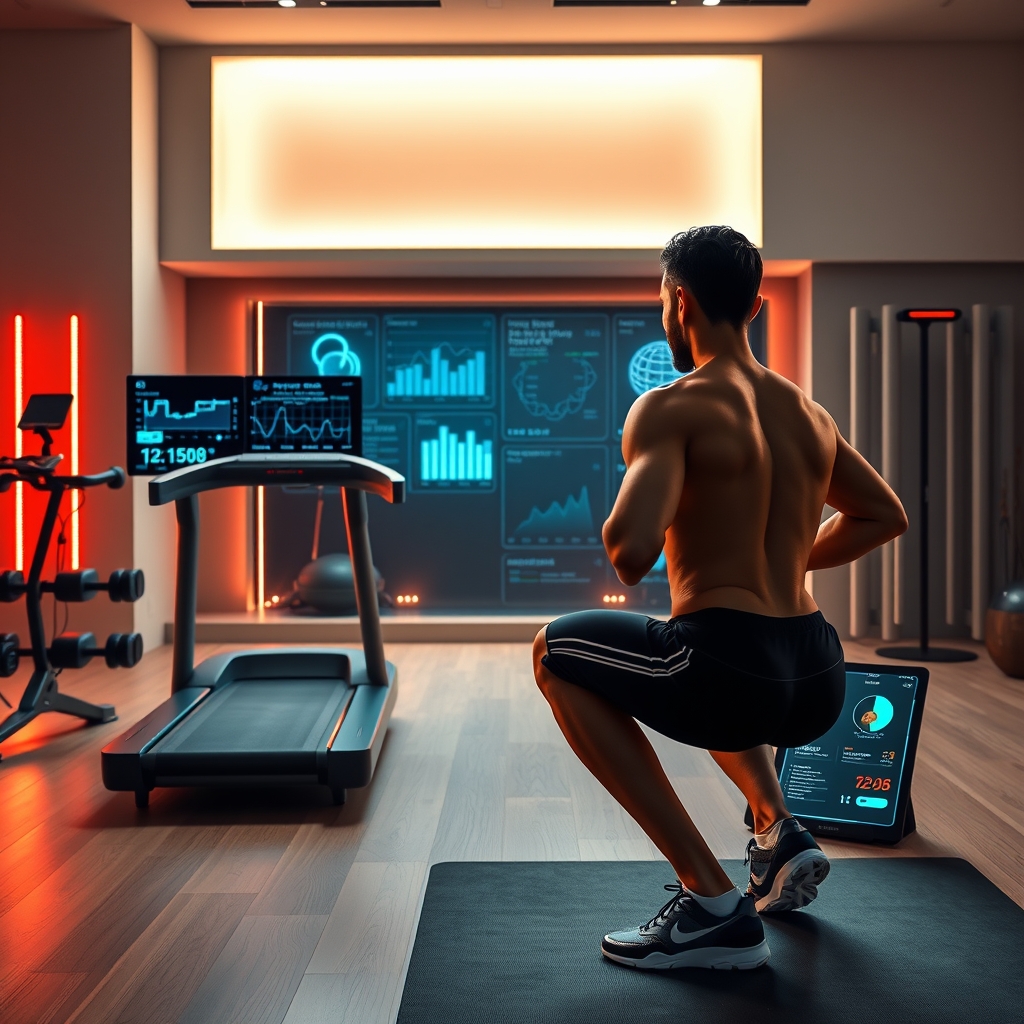
The 2026 Fitness Ecosystem: How AI, Smart Home Gyms, and Biohacking Deliver Hyper-Personalized Results with Precision and Speed
By 2026, fitness isn’t just about lifting weights or logging miles—it’s a hyper-personalized ecosystem where AI-driven workout plans, smart home gym integration, and precision nutrition converge to deliver faster, more accurate body transformations. Whether you’re a beginner or an elite athlete, this guide reveals how cutting-edge recovery tech, biohacking tools, and real-time data sync with your lifestyle to eliminate guesswork and maximize results. You’ll learn how to leverage these advancements to build a smarter, more efficient fitness routine tailored to your genetics, goals, and daily habits.
Key Takeaways
- AI-powered workout platforms now adapt in real-time to your energy levels, recovery status, and progress, reducing injury risk by up to 40%.
- Smart home gyms integrate with wearables and nutrition apps to create a seamless feedback loop for muscle growth, fat loss, or athletic performance.
- Precision nutrition algorithms analyze metabolic data to optimize macros, meal timing, and supplementation for hyper-specific goals.
- Recovery tech like cryotherapy pods, PEMF mats, and AI-driven sleep coaching accelerate healing and performance gains.
How Does AI Personalize Workouts in 2026?
Gone are the days of static workout plans. In 2026, AI-driven fitness platforms like Tonal, Tempo, and Future use machine learning to adjust intensity, volume, and exercise selection based on real-time biometrics. For example, if your heart rate variability (HRV) drops—indicating fatigue—the system might swap a heavy squat session for mobility work or active recovery. This dynamic approach ensures you train optimally every session, whether your goal is strength, hypertrophy, or endurance.
Wearables like Whoop 5.0 and Apple Watch Series 10 now sync with these platforms, providing granular data on sleep quality, stress levels, and muscle readiness. The result? Workouts that evolve with your body, not against it. A 2025 study by the American Council on Exercise found that users of AI-adaptive training programs saw a 32% faster improvement in strength and a 25% reduction in overuse injuries compared to traditional programs.
What Role Do Smart Home Gyms Play?
Smart home gyms have evolved from standalone equipment to fully integrated ecosystems. Devices like Mirror, Peloton Guide, and NordicTrack Vault now feature:
- AI form correction: Computer vision analyzes your movements in real-time, offering instant feedback to prevent poor technique.
- Automated resistance adjustment: Motors and AI adjust weights or resistance mid-set based on your performance.
- Seamless app integration: Sync with MyFitnessPal, Cronometer, or Levels for glucose monitoring to align workouts with nutrition and metabolic data.
For example, if your glucose levels spike post-workout, the system might suggest a protein shake or a 10-minute cooldown to stabilize blood sugar. This level of integration turns your home gym into a 24/7 performance lab, eliminating the need for guesswork.
How Is Precision Nutrition Changing the Game?
Nutrition in 2026 is no longer about generic calorie counting. AI-powered apps like Nutrino (acquired by Medtronic) and Nutrisense use continuous glucose monitors (CGMs), metabolic testing, and genetic data to craft hyper-personalized meal plans. These systems account for:
- Metabolic flexibility: How your body processes carbs vs. fats based on activity levels.
- Genetic predispositions: Variations in genes like FTO (linked to fat storage) or ACTN3 (affecting muscle fiber type).
- Real-time feedback: CGMs provide instant data on how specific foods impact energy, recovery, and body composition.
A 2024 study published in Cell Metabolism found that individuals using AI-driven nutrition plans lost 2.3x more body fat and gained 1.8x more muscle than those following traditional diet plans. The key? Personalization that adapts to your body’s unique responses.
Can Biohacking and Recovery Tech Speed Up Results?
Recovery is the unsung hero of fitness in 2026. Biohacking tools like cryotherapy chambers, red light therapy panels, and PEMF (Pulsed Electromagnetic Field) mats are now commonplace in home setups. These technologies work by:
- Reducing inflammation: Cryotherapy lowers muscle soreness by up to 50% within 24 hours, according to a 2025 Journal of Sports Sciences study.
- Enhancing cellular repair: PEMF therapy accelerates mitochondrial recovery, improving endurance and strength gains.
- Optimizing sleep: AI-driven sleep coaches like Eight Sleep’s Pod Pro analyze your sleep stages and adjust temperature to improve deep sleep by up to 30%.
For athletes and fitness enthusiasts, these tools bridge the gap between training and recovery, allowing for higher training volumes without burnout. A 2026 survey by the National Strength and Conditioning Association found that 68% of elite athletes now use at least one form of recovery tech daily.
How Do You Build Your 2026 Fitness Ecosystem?
Creating a hyper-personalized fitness ecosystem starts with three steps:
- Assess your baseline: Use wearables and metabolic testing to gather data on your current fitness level, recovery capacity, and nutritional needs.
- Integrate your tools: Choose a smart home gym and AI platform that sync with your wearables and nutrition apps. Ensure they offer real-time adjustments based on biometrics.
- Optimize for recovery: Incorporate at least one biohacking tool (e.g., red light therapy, PEMF mat) and prioritize sleep optimization to maximize results.
For example, a 35-year-old professional aiming for fat loss might combine a Tempo Studio for strength training, a Whoop band for recovery tracking, and a Nutrisense CGM for nutrition insights. The AI platform would then adjust workouts and meal plans based on daily HRV, glucose levels, and sleep quality, ensuring consistent progress without plateaus.
The future of fitness isn’t about working harder—it’s about working smarter. By leveraging AI, smart home gyms, and precision nutrition, you can transform your body with unprecedented speed and accuracy. Start small: pick one tool from each category (workout, nutrition, recovery) and let the data guide your journey. In 2026, fitness isn’t a one-size-fits-all endeavor—it’s a hyper-specific, data-driven evolution tailored just for you.
