How AI-Powered Smart Home Gyms and Precision Nutrition Are Unlocking Hyper-Specific Body Transformations in 2026
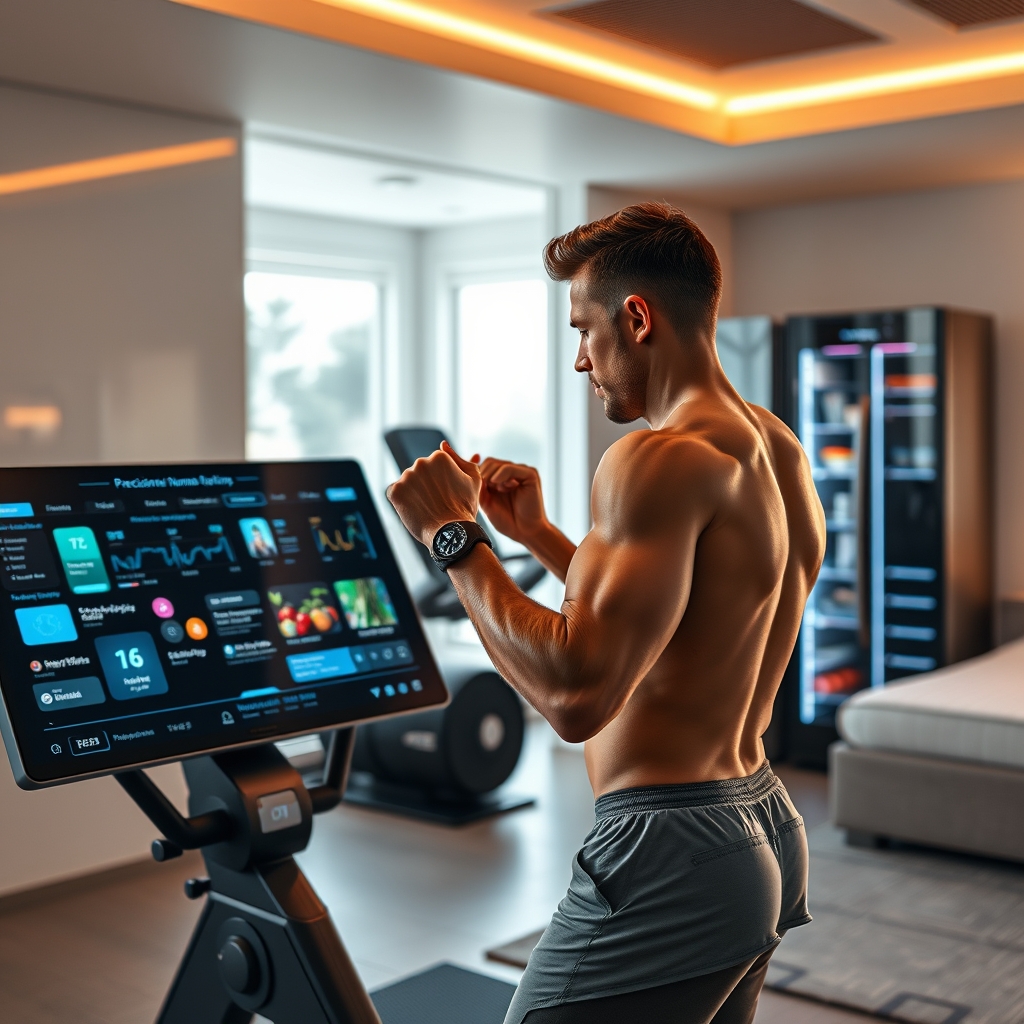
By 2026, fitness and gym culture have evolved into a hyper-personalized ecosystem where AI-driven smart home gyms, precision nutrition, and recovery tech work in sync to deliver transformative results. If you’re looking to optimize your workouts, diet, or recovery with cutting-edge tools, this guide will show you how AI integration, biohacking, and data-driven strategies are making hyper-specific body transformations achievable—without stepping into a traditional gym. You’ll learn how to leverage these innovations for measurable progress, whether your goal is muscle gain, fat loss, or peak performance.
Key Takeaways
- AI-powered smart home gyms adapt workouts in real-time using biometric feedback, eliminating guesswork.
- Precision nutrition platforms use AI to tailor meal plans based on metabolic data, activity levels, and genetic markers.
- Recovery tech like cryotherapy pods and AI-monitored sleep systems accelerate healing and reduce injury risk.
- Hyper-specific body transformations are now possible with granular tracking of muscle activation, hormone levels, and energy expenditure.
How Do AI-Powered Smart Home Gyms Personalize Workouts in Real Time?
Smart home gyms in 2026 are equipped with AI-driven sensors and motion-tracking cameras that analyze your form, range of motion, and muscle engagement during every rep. Systems like Tonal, Mirror, and newer entrants like AI-powered resistance training platforms adjust resistance dynamically, ensuring optimal muscle activation while minimizing injury risk. For example, if your left arm is weaker during a bicep curl, the AI will reduce resistance on your right side to promote balanced development.
These systems also integrate with wearables to monitor heart rate variability (HRV), fatigue levels, and recovery status. If your HRV indicates overtraining, the AI will suggest active recovery or adjust intensity for the next session. This level of personalization was once exclusive to elite athletes but is now accessible to anyone with a smart home gym setup.
What Biometric Data Is Used to Optimize Workouts?
AI-driven fitness platforms in 2026 rely on a combination of biometric inputs to fine-tune workouts:
- EMG Sensors: Measure muscle activation to ensure exercises target the intended muscle groups.
- Force Plates: Analyze ground reaction forces during movements like squats or deadlifts to improve stability and power output.
- Metabolic Analyzers: Track oxygen consumption and CO2 output to gauge energy expenditure and adjust workout intensity.
- Sleep and HRV Monitors: Provide insights into recovery status, helping AI recommend rest days or lighter sessions when needed.
This data is processed in real-time, allowing the AI to make micro-adjustments to your workout—such as increasing rest periods or modifying exercise selection—based on your body’s immediate response.
How Is AI Revolutionizing Precision Nutrition for Hyper-Specific Goals?
Gone are the days of generic meal plans. In 2026, AI-powered nutrition platforms like Nutrino (acquired by Medtronic) and newer tools like Levels Health use continuous glucose monitors (CGMs), metabolic testing, and genetic data to craft hyper-personalized diets. These systems analyze how your body responds to different foods, adjusting macronutrient ratios and meal timing to align with your fitness goals—whether it’s fat loss, muscle gain, or endurance performance.
For instance, if your CGM data shows a spike in blood sugar after eating white rice, the AI might suggest swapping it for quinoa or pairing it with protein to stabilize glucose levels. Over time, the system learns your unique metabolic fingerprint, refining recommendations to optimize energy levels, recovery, and body composition.
Can AI Predict the Best Diet for Your Genetic Profile?
Emerging research in nutrigenomics—how genes interact with nutrients—is being integrated into AI dieting tools. Companies like Nutrigenomix and DNAfit analyze genetic markers to predict how your body metabolizes fats, carbohydrates, and proteins. For example, if you carry the PPARG gene variant, you may respond better to a higher-fat, lower-carb diet for fat loss. AI platforms use this data to tailor meal plans that align with your genetic predispositions, reducing trial-and-error in dieting.
What Role Does Recovery Tech Play in Hyper-Specific Body Transformations?
Recovery is no longer an afterthought—it’s a data-driven science. In 2026, AI-powered recovery tech like cryotherapy chambers, pneumatic compression boots, and smart sleep systems are standard in home setups. These tools work in tandem with wearables to monitor inflammation, muscle soreness, and sleep quality, then adjust recovery protocols accordingly.
For example, if your wearable detects elevated cortisol levels (a stress hormone that impedes recovery), your AI system might recommend a 10-minute cryotherapy session or guided breathing exercises to lower stress. Similarly, smart mattresses like Eight Sleep adjust temperature and firmness throughout the night to optimize deep sleep, which is critical for muscle repair and hormone regulation.
How Does Biohacking Enhance Recovery and Performance?
Biohacking—using science-backed interventions to optimize physical and mental performance—has gone mainstream. In 2026, common biohacks include:
- Red Light Therapy: Accelerates muscle recovery and reduces inflammation by stimulating mitochondrial function.
- Pulsed Electromagnetic Field (PEMF) Therapy: Enhances cellular repair and reduces joint pain.
- Cold Plunges and Saunas: Alternating between extreme temperatures improves circulation and detoxification.
- Nootropics and Adaptogens: AI-recommended supplements like rhodiola rosea or lion’s mane mushroom enhance focus and resilience to stress.
These interventions are often prescribed by AI based on your biometric data, ensuring they’re timed for maximum effectiveness—such as taking a cold plunge post-workout to reduce muscle soreness.
How Can You Achieve Hyper-Specific Body Transformations in 2026?
Hyper-specific body transformations—whether it’s sculpting a single muscle group, achieving a precise body fat percentage, or optimizing athletic performance—are now within reach thanks to AI’s granular tracking capabilities. Here’s how to get started:
- Invest in a Smart Home Gym: Choose a system with AI-driven resistance, form correction, and biometric tracking (e.g., Tonal, Mirror, or Tempo).
- Adopt Precision Nutrition: Use AI-powered apps like Levels or Nutrino to monitor metabolic responses and tailor your diet in real-time.
- Prioritize Recovery Tech: Incorporate tools like cryotherapy, PEMF therapy, or smart sleep systems to accelerate healing and improve performance.
- Track Progress with AI: Use wearables and AI dashboards to monitor muscle growth, fat loss, and recovery metrics, adjusting your plan as needed.
The future of fitness isn’t about generic advice or one-size-fits-all solutions. It’s about leveraging AI, smart tech, and data-driven strategies to create a personalized roadmap for your body’s unique needs. Start by integrating one or two of these tools into your routine, track your progress, and let the data guide your next steps. The hyper-specific transformation you’ve been chasing is closer than you think.
