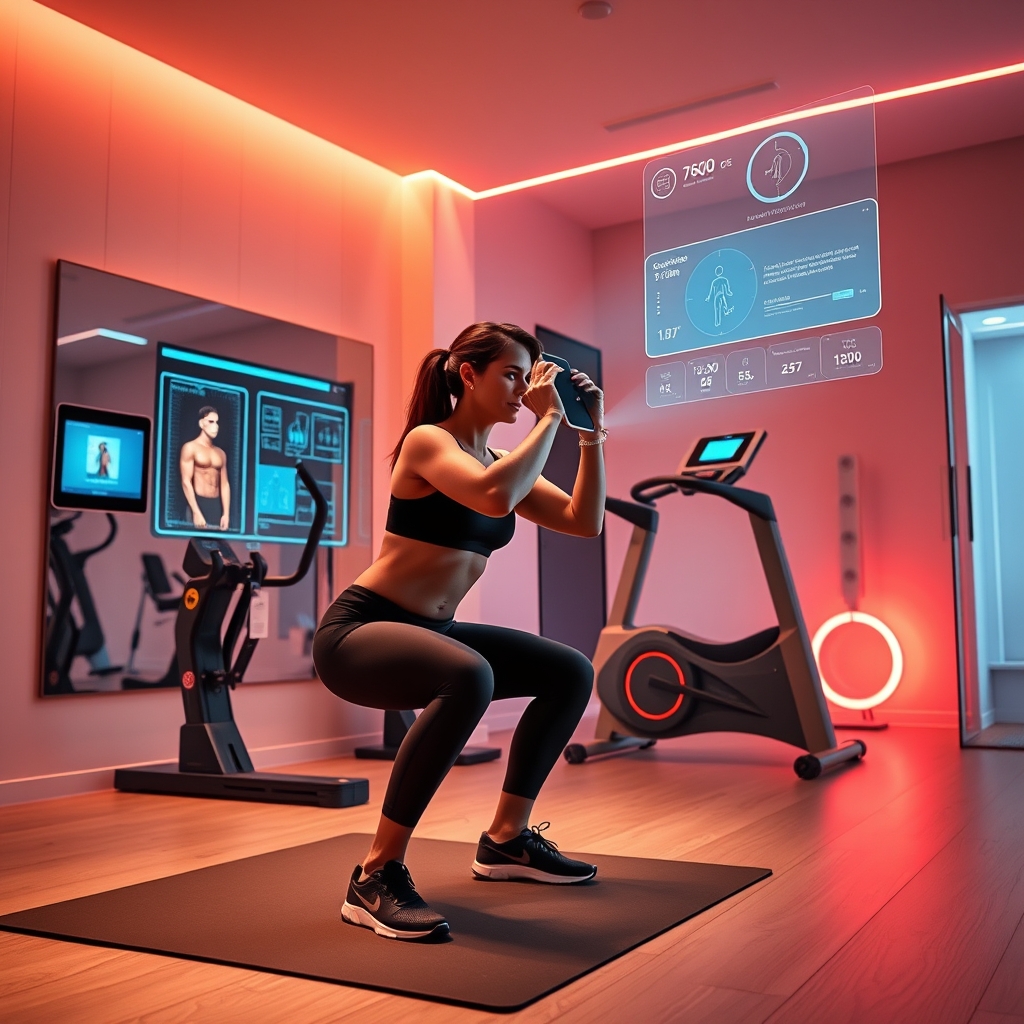
How AI-Powered Smart Home Gyms and Precision Nutrition Are Crafting Hyper-Specific Body Transformations in 2026
By 2026, fitness isn’t just about lifting weights or counting macros—it’s about personalized workout AI, smart home gym integration, and precision nutrition working together to deliver hyper-specific body transformations. Whether you’re a busy professional, a biohacker, or someone chasing a sculpted physique, AI-driven recovery tech and adaptive training systems are making it possible to train smarter, recover faster, and eat with pinpoint accuracy. In this guide, you’ll learn how these technologies intersect, what real-world results look like, and how to apply them to your own fitness journey—without stepping into a commercial gym.
Key Takeaways
- AI-powered smart home gyms adjust resistance, form, and intensity in real time, mimicking a personal trainer’s feedback.
- Precision nutrition and AI dieting use biomarkers, metabolic data, and machine learning to optimize macros, meal timing, and supplements for individual goals.
- Recovery tech and biohacking tools—like cryotherapy pods, red-light therapy panels, and AI-driven sleep optimization—accelerate muscle repair and performance gains.
- Hyper-specific body transformations are now achievable at home, with AI tailoring every variable from workout splits to post-exercise nutrition.
How Does AI Personalize Workouts in a Smart Home Gym?
Gone are the days of generic workout plans. In 2026, AI-powered fitness systems like Tonal, Mirror (now part of Lululemon Studio), and Tempo analyze your movement patterns, strength curves, and fatigue levels in real time. Using computer vision and force sensors, these systems adjust resistance dynamically—similar to how a human coach would—while providing form corrections via voice or visual cues. For example, if your squat depth is inconsistent, the AI might reduce weight and prompt you to focus on mobility before progressing.
Beyond resistance training, AI integrates with cardio equipment like Peloton’s AI Bike+ or NordicTrack’s Vault, which use adaptive difficulty to keep workouts challenging but sustainable. These systems track metrics like power output, heart rate variability (HRV), and perceived exertion, then tweak future sessions to prevent plateaus or overtraining. The result? A personalized workout AI experience that evolves with your body, not against it.
What Role Does Smart Home Gym Integration Play?
Smart home gyms in 2026 aren’t just about equipment—they’re about ecosystem integration. Your AI trainer syncs with smart mirrors, wearables (like Whoop or Apple Watch), and even ambient sensors in your home to create a seamless experience. For instance:
- Voice-activated adjustments: Say, “Increase resistance by 10%,” and your AI-powered cable machine complies.
- Automated environment control: Smart lighting adjusts to reduce eye strain during yoga, while thermostats optimize room temperature for performance.
- Cross-device tracking: Your AI consolidates data from your rower, resistance bands, and recovery tools to provide a unified progress report.
This level of integration means your home gym adapts to your lifestyle, not the other way around. Busy schedule? The AI shortens your session while maintaining intensity. Low on sleep? It prioritizes recovery-focused workouts. The goal is to remove friction, making consistency effortless.
Can Precision Nutrition and AI Dieting Really Outperform Traditional Meal Plans?
In 2026, precision nutrition goes beyond calorie counting. AI dieting platforms like Nutrino (acquired by Medtronic) or InsideTracker analyze blood biomarkers, gut microbiome data, and genetic predispositions to craft meal plans that optimize energy, recovery, and body composition. For example, if your DNA suggests a higher risk of insulin resistance, the AI might recommend a lower-glycemic diet with timed carb intake around workouts.
These systems also account for real-world variables like stress levels, sleep quality, and activity data from wearables. If your HRV drops (a sign of overtraining), the AI might suggest increasing protein intake or adding anti-inflammatory foods like turmeric or omega-3s. The result is a diet plan that’s as dynamic as your body, not a static spreadsheet.
How Does AI Handle Meal Timing and Supplementation?
AI doesn’t just tell you what to eat—it tells you when and how. Using data from continuous glucose monitors (CGMs) and metabolic rate trackers, AI platforms can predict the optimal window for nutrient intake. For instance:
- Pre-workout: A small, fast-digesting carb source 30 minutes before training if your blood sugar is low.
- Post-workout: A protein shake with leucine-rich whey within 30 minutes to maximize muscle protein synthesis.
- Sleep optimization: A magnesium-rich snack or tart cherry juice to improve sleep quality, based on your wearable’s sleep data.
Supplementation is equally precise. AI cross-references your genetic data, blood work, and fitness goals to recommend targeted supplements—like creatine for strength gains or ashwagandha for stress management—while avoiding unnecessary or redundant products. This approach eliminates the guesswork, ensuring every calorie and capsule serves a purpose.
How Is Recovery Tech and Biohacking Accelerating Body Transformations?
Recovery is the unsung hero of fitness, and in 2026, recovery tech is more advanced than ever. AI-driven tools like red-light therapy panels (backed by NASA research) reduce inflammation and speed up muscle repair, while cryotherapy chambers or localized cryo devices (like Theragun’s Cold Therapy attachment) help with soreness and recovery time. These tools aren’t just for elite athletes—smart home setups make them accessible to everyday users.
Biohacking takes recovery a step further by addressing systemic factors like sleep, stress, and cellular health. AI-powered sleep trackers (like Oura Ring or Eight Sleep) analyze your sleep stages and suggest adjustments to improve deep sleep, which is critical for muscle growth and fat loss. Meanwhile, apps like Headspace or Muse integrate with your fitness data to recommend meditation or breathing exercises tailored to your stress levels.
What Does a Hyper-Specific Body Transformation Look Like in 2026?
Imagine a 45-year-old professional who wants to lose 15 pounds of fat while adding lean muscle—without spending hours in the gym. Here’s how their transformation might unfold with AI and smart home tech:
- Week 1-2: AI assesses their baseline strength, mobility, and metabolic rate, then designs a 3-day full-body program with smart resistance equipment. Nutrition AI analyzes their blood work and suggests a high-protein, moderate-carb diet with intermittent fasting windows.
- Week 3-6: The AI detects a plateau in fat loss and adjusts their workout intensity, adding HIIT sessions with the Peloton Bike+. It also tweaks their diet, increasing fiber intake to improve gut health and reduce cravings.
- Week 7-12: Recovery tech kicks in—red-light therapy post-workout, cryotherapy for soreness, and AI-driven sleep optimization. The user’s body fat drops by 12%, and their muscle definition improves, all while training just 4 hours a week.
This isn’t a hypothetical—it’s the reality of hyper-specific body transformations in 2026. By leveraging AI, smart home gyms, and precision nutrition, users can achieve results that were once only possible with a team of coaches, nutritionists, and recovery specialists.
If you’re ready to upgrade your fitness routine, start small. Invest in one AI-powered tool—whether it’s a smart resistance trainer, a CGM, or a recovery device—and let it guide your next transformation. The future of fitness isn’t about more effort; it’s about smarter, more personalized effort. And in 2026, that future is already here.
