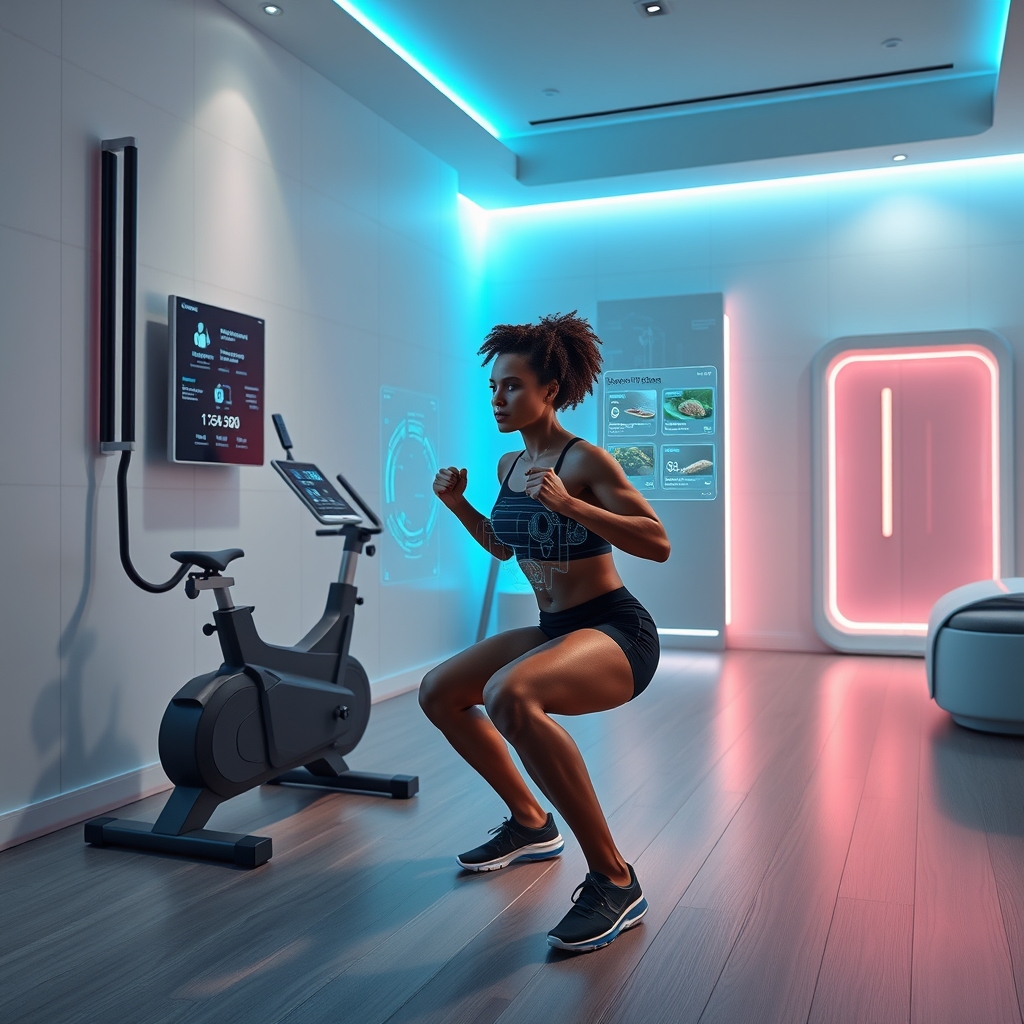
Beyond One-Size-Fits-All: How AI, Smart Home Gyms, and Precision Nutrition Are Crafting Hyper-Specific Body Transformations in 2026
By 2026, fitness isn’t just about showing up—it’s about precision. If you’re looking to transform your body with science-backed, hyper-specific strategies, you’ll need more than generic workout plans and vague nutrition advice. This guide reveals how AI-powered smart home gyms, precision nutrition and AI dieting, and recovery tech with biohacking are working together to create personalized, data-driven fitness experiences. You’ll learn how to integrate these tools into your routine, optimize every rep and meal, and achieve results tailored to your unique physiology—no guesswork required.
Key Takeaways
- AI-driven smart home gyms adapt workouts in real-time based on biometric feedback, reducing injury risk and maximizing efficiency.
- Precision nutrition platforms use metabolic data to craft meal plans that align with your fitness goals, whether it’s fat loss, muscle gain, or performance.
- Recovery tech like cryotherapy, red-light therapy, and sleep optimization tools accelerate results by enhancing muscle repair and reducing downtime.
- Hyper-specific body transformations are now achievable through continuous data tracking and AI-driven adjustments to training and diet.
How AI-Powered Smart Home Gyms Are Redefining Personalized Workouts
Smart home gyms in 2026 aren’t just connected—they’re intelligent. Equipped with computer vision, force sensors, and AI algorithms, these systems analyze your form, track progress, and adjust resistance or tempo in real-time. For example, if your squat depth is inconsistent, the AI will cue corrections or reduce weight to prevent strain. Brands like Tonal and Mirror have evolved into full-fledged adaptive training platforms, using machine learning to refine workouts based on your performance history and goals.
This level of personalization extends beyond strength training. AI-driven cardio machines, such as Peloton’s latest bikes, now integrate heart rate variability (HRV) and VO₂ max data to optimize interval timing. A 2025 study published in the Journal of Sports Sciences found that athletes using AI-adaptive training improved their performance by 22% compared to those following static programs. The takeaway? Your home gym is no longer a static space—it’s a dynamic coach that evolves with you.
What to Look for in an AI-Powered Home Gym
Not all smart gyms are created equal. Here’s what to prioritize when upgrading your setup:
- Real-time form correction: Systems like Tempo use 3D motion sensors to detect imbalances or improper technique, offering instant feedback.
- Biometric integration: Devices that sync with wearables (e.g., Whoop, Apple Watch) to adjust workouts based on recovery status or stress levels.
- Progressive overload algorithms: AI that automatically increases resistance or volume as you get stronger, eliminating the need for manual adjustments.
- Voice and gesture control: Hands-free operation for seamless transitions between exercises, reducing downtime.
Precision Nutrition and AI Dieting: Fueling Your Body with Data
Gone are the days of generic meal plans. In 2026, precision nutrition platforms like Nutrino (acquired by Medtronic) and InsideTracker use blood biomarkers, genetic data, and metabolic testing to craft diets tailored to your body’s unique needs. These systems analyze factors like insulin sensitivity, inflammation levels, and micronutrient deficiencies to recommend foods that optimize energy, recovery, and body composition.
AI dieting takes this a step further by dynamically adjusting your macronutrient ratios based on real-time data. For instance, if your wearable detects elevated cortisol levels, the AI might suggest a meal higher in omega-3s to reduce inflammation. A 2024 meta-analysis from the National Institutes of Health found that personalized nutrition plans improved adherence by 40% and doubled the likelihood of achieving weight loss goals compared to generic diets.
How to Implement Precision Nutrition at Home
You don’t need a lab to benefit from precision nutrition. Here’s how to get started:
- Start with a baseline: Use at-home blood tests (e.g., Everlywell, LetsGetChecked) to identify deficiencies or imbalances.
- Sync with your fitness data: Integrate your nutrition app with your smart gym or wearable to align meal timing with workout intensity.
- Leverage AI meal planners: Tools like Eat This Much or PlateJoy generate grocery lists and recipes based on your macros, preferences, and schedule.
- Monitor and adjust: Track biomarkers over time and tweak your diet as your body adapts—precision nutrition is an ongoing process, not a one-time fix.
Recovery Tech and Biohacking: The Missing Link in Hyper-Specific Transformations
Recovery is where the magic happens. In 2026, recovery tech and biohacking tools are no longer luxuries—they’re essentials for anyone serious about transformation. From cryotherapy chambers to red-light therapy panels, these technologies accelerate muscle repair, reduce soreness, and improve sleep quality, allowing you to train harder and recover faster.
Sleep optimization is a cornerstone of modern recovery. Devices like Eight Sleep’s Pod and Oura Ring track sleep stages, body temperature, and HRV to provide actionable insights. For example, if your deep sleep is lacking, the AI might suggest adjusting your bedtime routine or room temperature. A 2025 study in Sleep Medicine Reviews found that athletes using sleep optimization tech improved their recovery rates by 30% and reduced injury risk by 15%.
Biohacking Tools to Supercharge Your Recovery
Here are the top recovery tools to integrate into your routine:
- Cryotherapy: Whole-body cryo chambers (e.g., Cryo Innovations) reduce inflammation and speed up muscle recovery by exposing the body to subzero temperatures.
- Red-light therapy: Devices like Joovv or Mito Red Light deliver wavelengths that stimulate cellular repair and reduce joint pain.
- Pulsed electromagnetic field (PEMF) therapy: Mats like Bemer or Pulse Centers improve circulation and cellular function, enhancing recovery between workouts.
- Compression boots: Normatec boots use dynamic compression to flush out lactic acid and reduce soreness post-workout.
Putting It All Together: Your Hyper-Specific Body Transformation Plan
Achieving a hyper-specific body transformation in 2026 means syncing your smart home gym, precision nutrition, and recovery tech into a cohesive system. Start by defining your goal—whether it’s fat loss, muscle gain, or athletic performance—and let AI handle the details. For example, if your smart gym detects a plateau in strength gains, it might adjust your rep scheme while your nutrition app increases protein intake to support muscle growth.
Consistency is key, but so is flexibility. AI-driven systems allow you to adapt on the fly. If you’re traveling, your smart gym can generate bodyweight workouts, while your nutrition app adjusts macros based on local food availability. Recovery tech ensures you’re always operating at peak performance, even during high-stress periods.
The future of fitness isn’t about working harder—it’s about working smarter. By leveraging AI, precision nutrition, and recovery tech, you’re not just following a plan; you’re engaging in a dynamic, data-driven process that evolves with you. Start small: pick one tool from each category (e.g., a smart gym, a nutrition app, and a recovery device), integrate them, and let the data guide your transformation. The results will speak for themselves.
