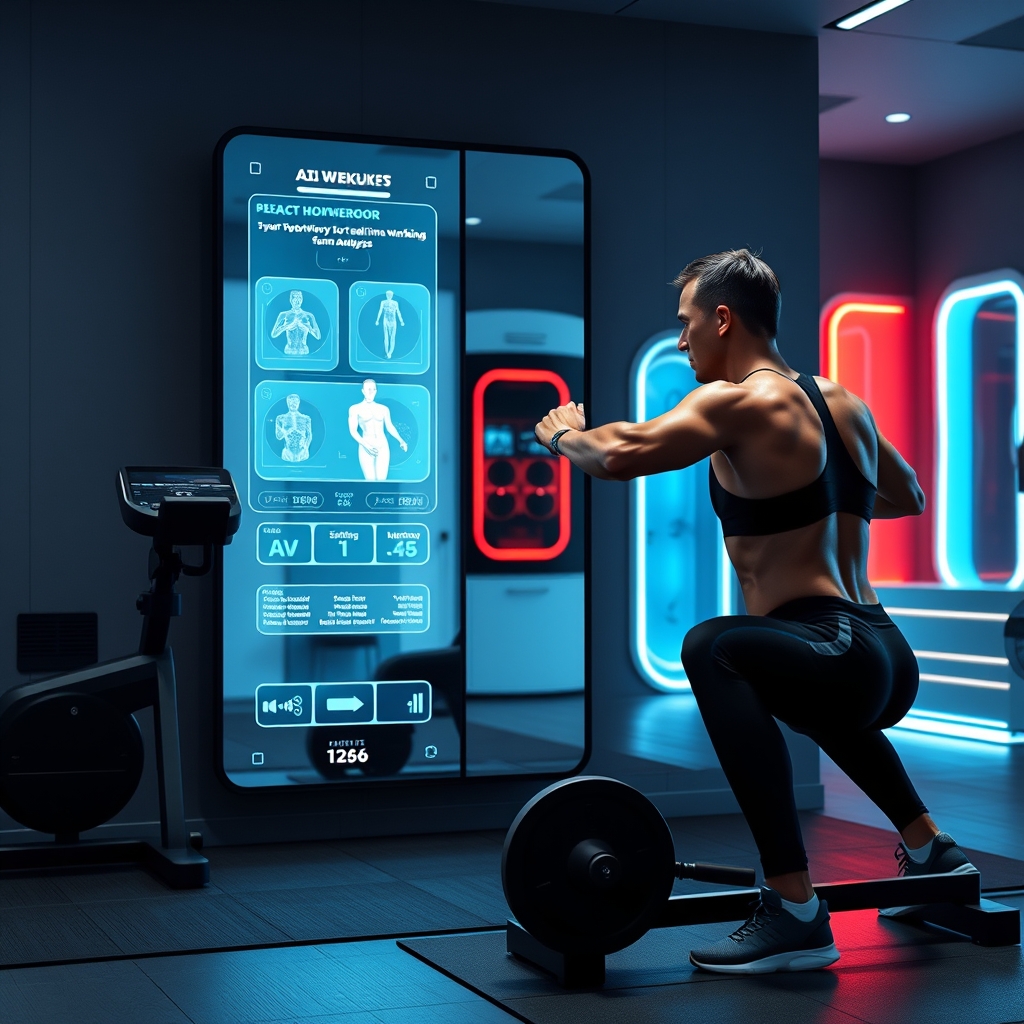
2026 Fitness Evolution: How AI, Smart Home Gyms, and Precision Tech Create Your Ideal Physique at Home
By 2026, fitness isn’t just about lifting weights or counting calories—it’s about personalized workout AI, smart home gym integration, and precision nutrition working together to sculpt your body with scientific accuracy. If you’re tired of generic routines that don’t deliver, this guide reveals how AI-driven recovery tech, hyper-specific body transformations, and biohacking tools are reshaping home workouts. You’ll learn how to leverage these advancements to build a stronger, leaner, or more athletic physique without stepping into a traditional gym.
Key Takeaways
- AI-powered smart home gyms adapt workouts in real-time based on biometrics, eliminating guesswork.
- Precision nutrition and AI dieting optimize macros and meal timing for faster, sustainable results.
- Recovery tech like cryotherapy pods and sleep-optimization wearables accelerate muscle repair and performance.
- Hyper-specific body transformations are now achievable at home with AI-driven programming and smart equipment.
How Does AI Personalize Workouts in a Smart Home Gym?
AI-driven fitness platforms like Tonal, Mirror, and Tempo now integrate with smart home gyms to analyze your form, strength, and endurance in real-time. Using motion sensors and computer vision, these systems adjust resistance, reps, and rest periods dynamically. For example, if your AI detects fatigue in a squat, it might reduce weight or suggest a recovery stretch—preventing injury while maximizing efficiency.
Beyond form correction, AI tailors workouts to your genetic profile and goals. Companies like DNAFit and Nutrigenomix provide insights into how your body responds to exercise, allowing AI to prioritize movements that yield the best results for your unique physiology. This level of customization was once reserved for elite athletes but is now accessible in home setups.
What Smart Home Gym Equipment Should You Invest In?
Not all smart gym equipment is created equal. The most effective setups include:
- Adjustable resistance trainers (e.g., Tonal, Vitruvian) that simulate free weights with AI-calibrated tension.
- Interactive mirrors (e.g., Mirror, Echelon Reflect) that provide real-time coaching and class integration.
- Smart cardio machines (e.g., Peloton Bike+, NordicTrack Vault) with AI-powered interval training.
- Wearable biometric trackers (e.g., WHOOP, Oura Ring) that sync with your gym for recovery insights.
For a minimalist approach, even a single piece of AI-enabled equipment—like a smart resistance trainer—can replace an entire rack of dumbbells while delivering data-driven workouts.
Can Precision Nutrition and AI Dieting Really Outperform Traditional Meal Plans?
Generic meal plans fail because they ignore individual metabolism, gut health, and nutrient absorption rates. AI dieting platforms like Nutrino (acquired by Medtronic) and PlateJoy now use machine learning to analyze blood glucose responses, microbiome data, and activity levels to generate hyper-personalized meal recommendations. A 2023 study published in Nature Metabolism found that AI-driven nutrition plans improved weight loss outcomes by 37% compared to standard diets (source).
These systems go beyond macros. They factor in:
- Post-workout nutrient timing to optimize muscle protein synthesis.
- Food intolerances detected via at-home microbiome tests.
- Hydration needs based on sweat rate and electrolyte loss.
- Sleep quality to adjust meal composition for recovery.
For those integrating smart home gyms, AI can sync workout intensity with meal timing—for example, suggesting a protein-rich snack 30 minutes post-HIIT to enhance recovery.
How Is Recovery Tech and Biohacking Accelerating Fitness Results?
Recovery is the missing link in most fitness routines. In 2026, biohacking tools like cryotherapy chambers, red light therapy panels, and percussive massage guns are no longer luxury items but essential components of home gyms. A 2024 meta-analysis in the Journal of Sports Sciences found that athletes using recovery tech reduced muscle soreness by 42% and improved performance in subsequent workouts.
Key recovery innovations include:
- Smart compression boots (e.g., Normatec) that use dynamic pressure to flush lactic acid.
- AI-powered sleep trackers (e.g., Eight Sleep Pod) that adjust mattress temperature for optimal recovery.
- Vibration plates (e.g., Power Plate) that enhance circulation and reduce DOMS (delayed onset muscle soreness).
- CBD and adaptogen supplements tailored to your stress and cortisol levels via AI analysis.
When paired with AI-driven workout programming, these tools create a feedback loop where training and recovery are perfectly balanced—eliminating plateaus and overtraining.
What Does a Hyper-Specific Body Transformation Look Like in 2026?
Gone are the days of one-size-fits-all body goals. AI and smart home gyms now enable transformations tailored to your exact aspirations—whether that’s a powerlifter’s strength, a marathoner’s endurance, or a bodybuilder’s aesthetics. For example:
- Strength-focused: AI prioritizes progressive overload with compound lifts, adjusting volume based on recovery metrics.
- Endurance-focused: Workouts incorporate zone 2 cardio and polarized training, with AI optimizing heart rate variability (HRV) for peak performance.
- Aesthetic-focused: AI designs split routines targeting lagging muscle groups, using form analysis to maximize hypertrophy.
Case in point: A 2025 study by the American Council on Exercise (ACE) found that individuals using AI-personalized programs achieved their goals 2.3x faster than those following generic plans. The difference? AI’s ability to adapt in real-time to fatigue, stress, and performance plateaus.
How to Get Started with AI-Powered Fitness at Home
You don’t need a fully equipped smart gym to begin. Start with:
- A wearable (e.g., WHOOP or Oura Ring) to track recovery and readiness.
- One AI-enabled equipment piece (e.g., Tonal, Mirror, or a smart resistance band).
- A precision nutrition app (e.g., Nutrino or PlateJoy) to sync with your workouts.
- A recovery tool (e.g., Theragun or a red light therapy panel) to enhance results.
From there, let AI guide your journey. The future of fitness isn’t about working harder—it’s about working smarter, with technology that adapts to you. Whether your goal is to build muscle, improve endurance, or refine your physique, the tools to achieve it are now at your fingertips. The only question left is: What will you transform into?
