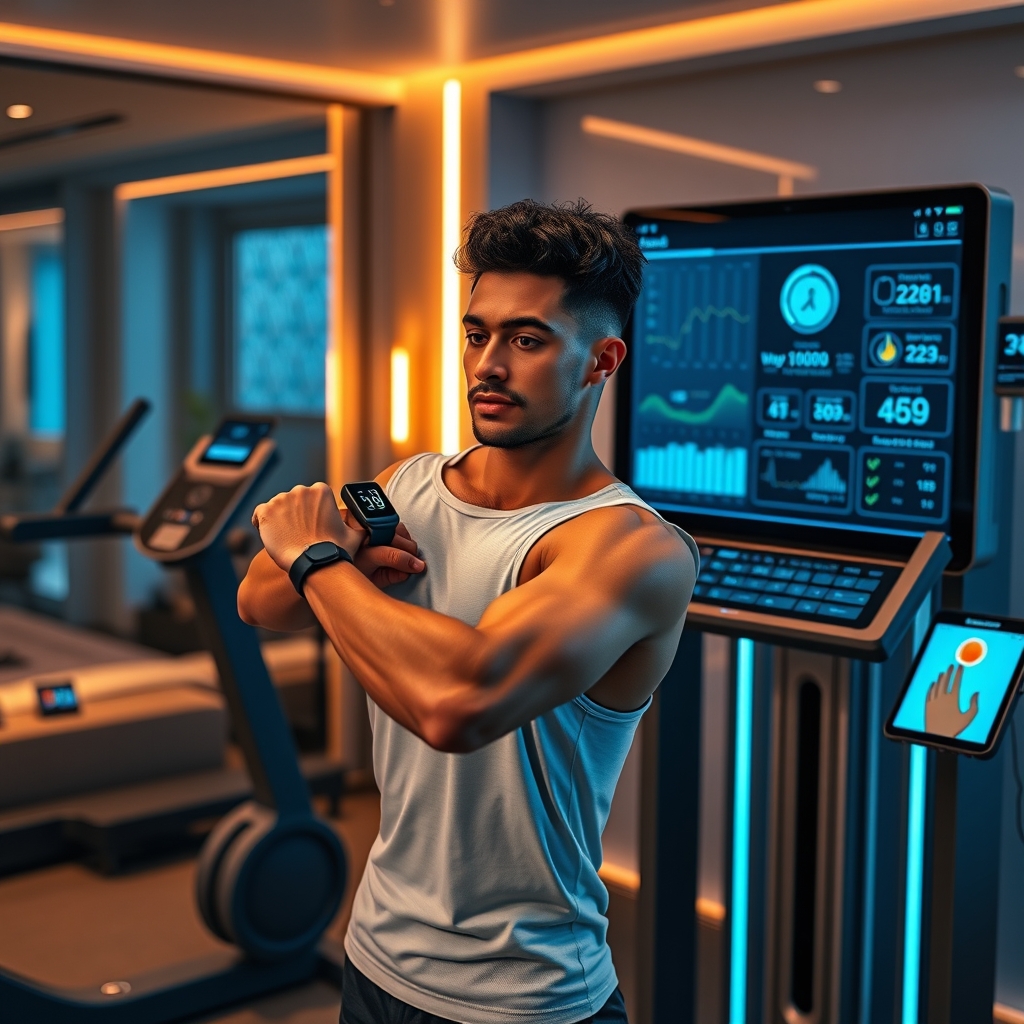
2026 Fitness Decoded: How AI, Smart Home Gyms, and Biohacking Deliver Your Most Precise Body Transformation Yet
By 2026, fitness isn’t just about lifting weights or logging miles—it’s about hyper-specific body transformation powered by AI-driven workout personalization, smart home gym integration, and precision nutrition. Whether you’re a busy professional, a recovery-focused athlete, or someone chasing a sculpted physique, this guide reveals how cutting-edge tech tailors every rep, meal, and recovery session to your DNA, lifestyle, and goals. You’ll learn how AI adapts workouts in real time, how smart home gyms eliminate guesswork, and how biohacking tools optimize recovery for faster, more sustainable results.
Key Takeaways
- AI-driven workout personalization adjusts intensity, volume, and exercises based on real-time biometrics and progress.
- Smart home gyms integrate with wearables and nutrition apps to create a seamless, data-backed fitness ecosystem.
- Precision nutrition and AI dieting use metabolic data to craft meal plans that align with your body’s unique needs.
- Recovery tech—like cryotherapy pods and sleep-optimization wearables—accelerates muscle repair and performance gains.
How Does AI Personalize Workouts for Your Body in 2026?
Gone are the days of generic workout plans. In 2026, AI-powered fitness platforms analyze your movement patterns, heart rate variability (HRV), and even muscle fatigue to dynamically adjust your training. For example, if your wearable detects elevated cortisol levels, the AI might swap a high-intensity session for active recovery. Companies like WHOOP and Tonal already use similar algorithms to optimize performance, but 2026 takes it further—integrating genetic data to predict how your body responds to specific exercises.
This level of personalization means no two workouts are alike. If you’re stronger on leg day but fatigued during upper-body sessions, the AI rebalances your program to prevent overtraining. It’s not just about efficiency; it’s about hyper-specific body transformation—whether you’re aiming for a powerlifter’s strength or a marathoner’s endurance.
What Role Do Smart Home Gyms Play in This Ecosystem?
Smart home gyms are the command centers of modern fitness. Devices like Mirror, Tempo, and Peloton’s latest AI-powered bike sync with wearables, nutrition apps, and even smart scales to create a unified fitness dashboard. Imagine stepping onto your treadmill, and it automatically adjusts incline based on your HRV data from last night’s sleep. Or your resistance bands tightening mid-set because your form is slipping—all without a trainer present.
These systems also eliminate the friction of traditional gyms. No commutes, no waiting for equipment, and no one-size-fits-all classes. Instead, you get a precision tech experience tailored to your schedule, preferences, and physiology. For those juggling work and family, this integration is a game-changer.
Can AI Really Optimize Your Diet for Better Results?
Precision nutrition in 2026 goes beyond macros. AI dieting platforms like Nutrino (acquired by Medtronic) and Viome use blood glucose monitors, gut microbiome tests, and metabolic rate data to craft meal plans that align with your body’s real-time needs. For instance, if your glucose levels spike after a carb-heavy meal, the AI might suggest a protein-rich alternative to stabilize energy and fat loss.
This approach isn’t just for elite athletes. Busy professionals can use AI-generated grocery lists that sync with smart fridges, while recovery-focused users get meal timing recommendations to maximize muscle repair. The result? Fewer plateaus, less guesswork, and a diet that evolves as your body does.
How Is Recovery Tech Redefining Fitness Gains?
Recovery is the unsung hero of fitness, and in 2026, it’s getting a high-tech upgrade. Wearables like Oura Ring and Whoop track sleep stages, HRV, and recovery scores to recommend when to push hard or rest. But the real innovation lies in biohacking tools—like portable cryotherapy chambers, red-light therapy panels, and even AI-driven massage guns that adjust pressure based on muscle tension.
For example, if your wearable detects poor sleep quality, your smart home gym might suggest a low-impact yoga session instead of heavy lifting. Or your recovery app could nudge you to hydrate more after a sweaty HIIT workout. These tools don’t just speed up recovery; they prevent injuries and extend your fitness longevity.
What Does a Hyper-Specific Body Transformation Look Like in 2026?
Imagine a 40-year-old executive who wants to lose 15 pounds, build lean muscle, and improve mobility—all while managing a high-stress job. In 2026, her AI coach designs a 12-week plan that includes:
- Workouts: 3x weekly strength sessions (adjusted for her menstrual cycle’s hormonal fluctuations), 2x mobility drills, and 1x AI-guided yoga flow for stress relief.
- Nutrition: A meal plan that prioritizes protein in the morning (to curb cortisol) and complex carbs post-workout (to replenish glycogen).
- Recovery: Nightly red-light therapy sessions to boost collagen production and a sleep-tracking app that adjusts her bedroom temperature for optimal rest.
No generic advice. No trial and error. Just a hyper-personalized transformation that adapts as her body changes.
By 2026, fitness isn’t a one-time goal—it’s a dynamic, data-driven journey. Whether you’re integrating AI into your home gym, fine-tuning your diet with precision nutrition, or biohacking your recovery, the tools are here to make your transformation faster, smarter, and more sustainable than ever. The next step? Start small: sync your wearable with a smart home gym app, or try an AI meal planner for a week. Your future self will thank you.
