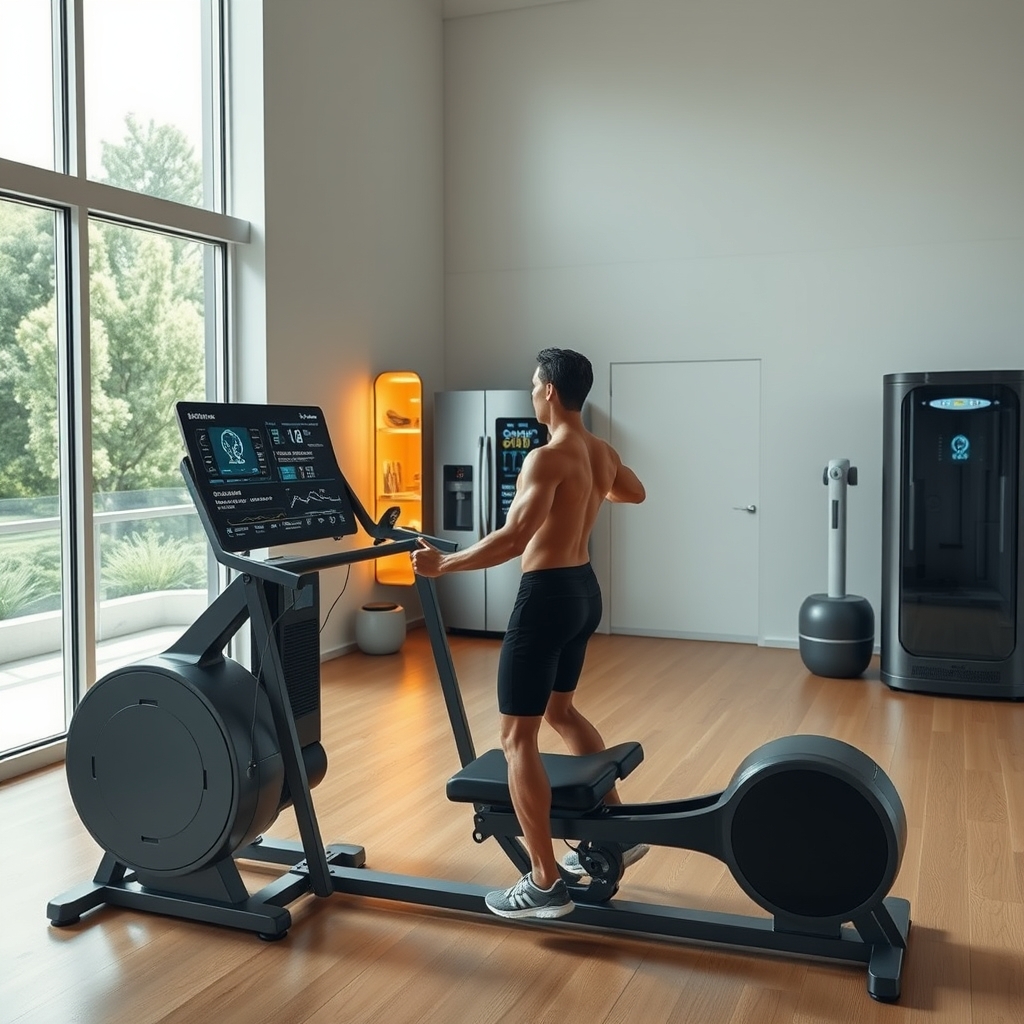
Beyond the Treadmill: How AI and Smart Tech Are Crafting the Next Era of Personalized Fitness & Gym Culture
Imagine stepping into a gym where every machine, every rep, and every meal is tailored just for you—before you even ask. This isn’t a scene from a sci-fi movie; it’s the reality of fitness & gym culture today, where artificial intelligence and smart tech are redefining what it means to train, recover, and transform your body. The days of one-size-fits-all workouts and generic diet plans are fading fast, replaced by hyper-personalized systems that adapt to your genetics, lifestyle, and even your mood. But how exactly is this technology reshaping the way we approach fitness, and what does it mean for the future of your health journey?
The Rise of AI-Powered Personalized Workouts
Gone are the times when you’d flip through a magazine or follow a generic YouTube video, hoping the workout would somehow fit your goals. Today, AI-driven workout plans analyze your biometrics, past performance, and real-time feedback to create routines that evolve with you. Apps like Freeletics and Vi by LifeBEAM use machine learning to adjust intensity, rest periods, and exercises based on your progress, ensuring you’re always challenged but never overwhelmed.
What’s even more impressive is how these systems integrate with wearables like Whoop or Apple Watch. They don’t just track your heart rate or steps—they predict when you’re at risk of overtraining or injury, suggesting adjustments before your body even signals distress. This level of precision in fitness wasn’t possible a decade ago, but now it’s becoming the standard for anyone serious about their transformation.
Smart Home Gyms: The Future of Convenience and Customization
The pandemic accelerated the shift toward home workouts, but the latest wave of smart home gym integration takes it to another level. Devices like Tonal, Mirror, and Peloton aren’t just repurposed gym equipment—they’re AI-powered ecosystems that bring the expertise of a personal trainer into your living room. Tonal, for example, uses electromagnetic resistance and AI to adjust weight in real-time, mimicking the feel of free weights while providing instant feedback on your form.
But the real game-changer? These systems learn from you. Over time, they recognize patterns in your performance—like which exercises you struggle with or when you’re most likely to skip a session—and adapt accordingly. Some even sync with your smart home devices, dimming the lights or playing motivational playlists when it’s time to train. It’s not just about convenience; it’s about creating an environment where consistency becomes effortless.
Precision Nutrition: How AI is Redefining Your Diet
If workouts are one half of the fitness equation, nutrition is the other—and AI is revolutionizing this space too. Traditional meal plans often fail because they don’t account for individual metabolism, food sensitivities, or even your daily stress levels. AI-driven platforms like Nutrino (acquired by Medtronic) and PlateJoy use algorithms to analyze your blood sugar responses, activity levels, and dietary preferences to craft meal plans that actually work for *you*.
Some systems go even further by integrating with smart kitchen appliances. Imagine a fridge that suggests recipes based on what’s inside or a scale that tracks the nutritional content of your meals in real-time. Companies like Innit are already making this a reality, using AI to turn your kitchen into a precision nutrition powerhouse. The result? Fewer guesses, less waste, and more progress toward your goals.
Recovery Tech and Biohacking: The Unsung Heroes of Fitness
Pushing your limits in the gym is only part of the equation—recovery is where the real magic happens. And in the world of recovery tech & biohacking, AI is playing a starring role. Devices like the Oura Ring and Whoop Strap don’t just track sleep; they analyze your recovery metrics to tell you when to push harder or take a rest day. Some even sync with cryotherapy chambers or infrared saunas to optimize your post-workout routine.
Biohacking, once a niche interest, is now mainstream, with AI helping to personalize everything from cold plunges to red-light therapy. Apps like BioStrap use machine learning to recommend recovery protocols based on your heart rate variability (HRV), ensuring you’re always in the optimal state to train. It’s not just about avoiding burnout—it’s about maximizing every rep, every meal, and every night’s sleep for hyper-specific body transformation.
The Human Element: Why Tech Can’t Replace Everything
As powerful as AI and smart tech are, they’re not a replacement for human intuition and motivation. The best fitness journeys still require accountability, community, and a deep understanding of your own body. What these tools do is remove the guesswork, giving you the data and insights to make smarter decisions. Whether it’s adjusting your macros after a plateau or tweaking your workout split to target a stubborn muscle group, AI acts as a co-pilot, not a replacement.
That said, the future of fitness isn’t just about individual transformation—it’s about redefining gym culture as a whole. Smart gyms like Equinox’s Variis or Life Time’s digital offerings are blending the best of in-person and virtual training, creating hybrid experiences that cater to every preference. Group classes are no longer just about following an instructor; they’re about competing in real-time leaderboards, receiving personalized feedback, and connecting with a global community of like-minded individuals.
What’s Next? The Evolution of Hyper-Specific Fitness
The next frontier in fitness tech is all about hyper-specificity. We’re moving beyond generic goals like “lose weight” or “build muscle” to systems that help you achieve things like “improve my 5K time by 30 seconds in 8 weeks” or “increase my vertical jump by 2 inches for basketball season.” AI is making these goals not just achievable but measurable, with real-time adjustments to keep you on track.
Companies like Future and Tempo are already offering AI-driven coaching that feels almost human, with trainers who use data to provide hyper-personalized feedback. Meanwhile, startups like Vitruvian are developing AI-powered strength training platforms that adjust resistance mid-rep to match your exact strength curve. The line between science fiction and reality is blurring, and the possibilities are endless.
So, where does this leave you? The tools to transform your body and health have never been more accessible—or more intelligent. Whether you’re a gym veteran or just starting out, the key is to embrace the technology that aligns with your goals, without losing sight of the fundamentals: consistency, effort, and listening to your body. The future of fitness isn’t just about working harder; it’s about working smarter, recovering better, and fueling your body with precision. And with AI as your ally, the journey ahead is limited only by your ambition.
