The AI-Powered Fitness Evolution: How Smart Home Gyms, Precision Nutrition, and Biohacking Are Crafting Your Hyper-Specific Transformation in 2026
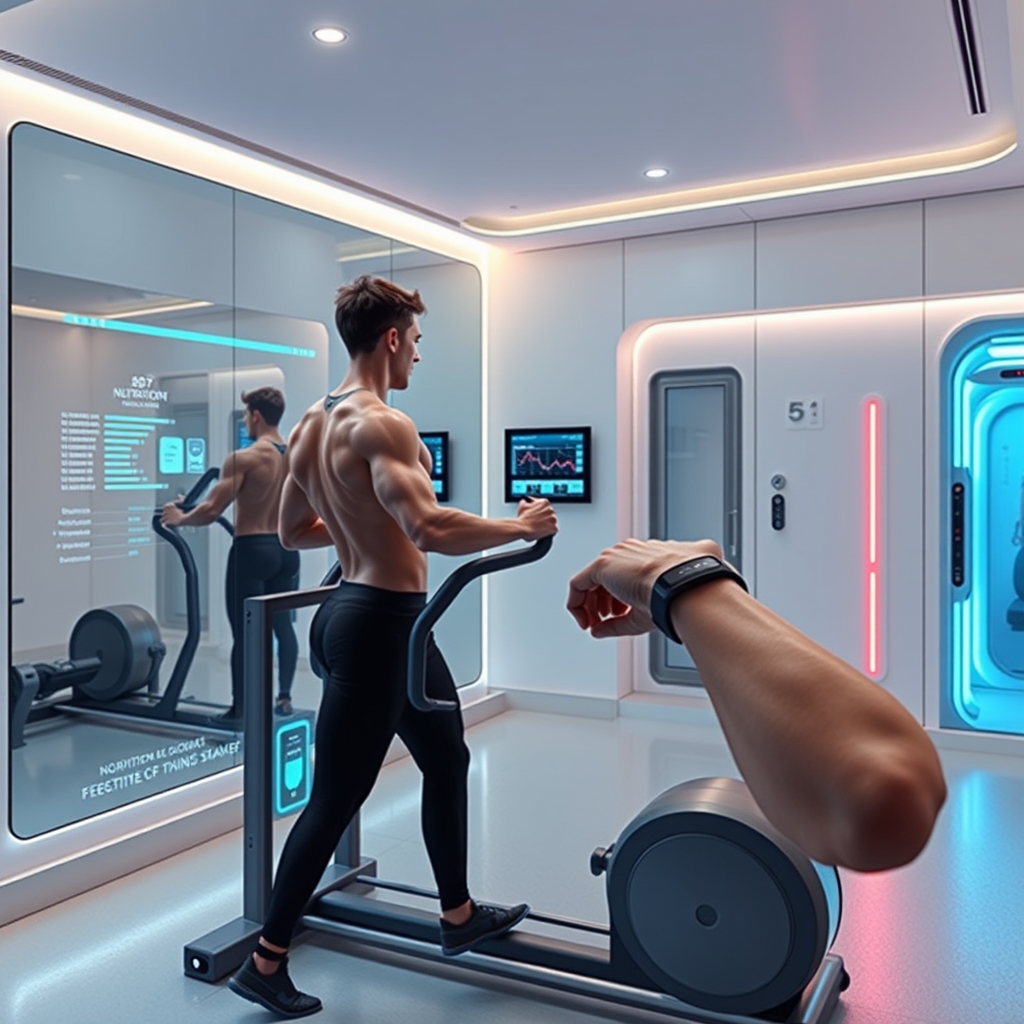
Imagine stepping into your home gym at 6 AM, where the lights adjust to your circadian rhythm, the temperature is optimized for performance, and your AI coach greets you with a workout tailored to your muscle recovery data from last night’s sleep. This isn’t a scene from a sci-fi movie—it’s the reality of fitness & gym culture in 2026, where personalized workout AI, smart home gym integration, and precision nutrition & AI dieting converge to create hyper-specific body transformations unlike anything we’ve seen before.
The days of generic workout plans and one-size-fits-all meal prep are fading fast. Today’s fitness revolution is driven by data, algorithms, and cutting-edge technology that adapts to your body’s unique needs in real time. Whether you’re a seasoned athlete or a beginner, the fusion of recovery tech & biohacking with AI-driven training is unlocking levels of precision that were once reserved for elite professionals. The question is no longer *if* you can achieve your dream physique, but *how fast* technology can get you there.
The Rise of the AI-Powered Home Gym: Where Technology Meets Transformation
Smart home gyms are no longer a luxury—they’re a necessity for anyone serious about their fitness journey. In 2026, these systems go beyond basic connectivity, integrating personalized workout AI that learns from your movements, adjusts resistance in real time, and even predicts when you’re at risk of injury. Brands like Tonal, Mirror, and Peloton have evolved into full-fledged AI ecosystems, where every rep, set, and recovery period is optimized for maximum efficiency.
But the real game-changer? The seamless smart home gym integration with wearables, sleep trackers, and even smart scales. Your AI coach doesn’t just track your workouts—it analyzes your heart rate variability, sleep quality, and stress levels to adjust your training intensity on the fly. Missed a workout? The system recalibrates your plan to prevent burnout while keeping you on track. This level of personalization ensures that every session is as effective as possible, eliminating the guesswork that once plagued traditional training.
How AI is Redefining Workout Personalization
Gone are the days of flipping through workout guides or relying on a trainer’s generic advice. Today’s personalized workout AI uses machine learning to create dynamic training programs that evolve with you. For example, if your AI detects that your shoulders are fatigued from yesterday’s session, it might swap out overhead presses for lateral raises to prevent overuse injuries. Over time, the system refines its recommendations based on your progress, ensuring that your workouts remain challenging yet sustainable.
This hyper-specific approach extends beyond strength training. AI-powered platforms like Freeletics and Vi by LifeBEAM now offer real-time coaching for cardio, mobility, and even mental resilience. By analyzing your form, pace, and breathing patterns, these systems provide instant feedback, helping you perfect your technique and avoid common mistakes. The result? Faster progress, fewer injuries, and a training experience that feels tailor-made for your body.
Precision Nutrition & AI Dieting: Fueling Your Body with Surgical Accuracy
If workouts are the engine of your transformation, nutrition is the fuel—and in 2026, precision nutrition & AI dieting are ensuring that every calorie counts. AI-driven meal planning apps like Nutrino and PlateJoy don’t just track macros; they analyze your blood glucose levels, gut microbiome, and even genetic predispositions to craft meal plans that optimize energy, recovery, and fat loss.
But the real breakthrough lies in real-time adjustments. Imagine wearing a continuous glucose monitor (CGM) that syncs with your AI nutritionist, alerting you when your blood sugar spikes after a meal. The system then suggests a post-meal walk or a specific nutrient to stabilize your levels, preventing crashes and cravings. This level of precision ensures that your diet aligns perfectly with your fitness goals, whether you’re bulking, cutting, or maintaining.
The Role of Biohacking in Hyper-Specific Body Transformations
Biohacking isn’t just for Silicon Valley elites anymore. In 2026, recovery tech & biohacking tools like red light therapy, cryotherapy chambers, and PEMF (Pulsed Electromagnetic Field) mats are becoming staples in home gyms. These technologies accelerate muscle recovery, reduce inflammation, and even enhance cognitive function, allowing you to train harder and recover faster.
AI takes biohacking a step further by integrating these tools into your training regimen. For example, if your wearable detects elevated cortisol levels (a sign of stress), your AI coach might recommend a 10-minute red light therapy session to lower inflammation before your workout. Similarly, if your sleep tracker shows poor REM sleep, the system could adjust your evening routine to include magnesium supplements or guided meditation. This holistic approach ensures that every aspect of your health is optimized for peak performance.
The Future of Fitness: A Seamless, Data-Driven Ecosystem
The most exciting part of the 2026 fitness revolution isn’t just the individual technologies—it’s how they work together. Your smart home gym integration doesn’t operate in isolation; it’s part of a larger ecosystem that includes your nutrition, recovery, and even mental well-being. This interconnected approach means that your AI coach can make decisions based on a 360-degree view of your health, ensuring that every workout, meal, and recovery session is perfectly aligned with your goals.
For example, if your AI detects that you’re not hitting your protein targets, it might adjust your workout intensity to prevent muscle loss while you correct your diet. Or, if your sleep data shows poor recovery, it could recommend a deload week to prevent overtraining. This level of adaptability ensures that your fitness journey is not only effective but also sustainable in the long run.
As we move deeper into this era of hyper-personalization, one thing is clear: the future of fitness isn’t about following a rigid plan—it’s about leveraging technology to create a dynamic, responsive approach that evolves with you. Whether you’re chasing a hyper-specific body transformation or simply looking to optimize your health, the tools of 2026 are making it easier than ever to turn your goals into reality. The only question left is: are you ready to step into the future of fitness?
