The 2026 Fitness Paradigm: How AI, Smart Home Gyms, and Biohacking Are Engineering Your Most Precise Transformation Yet
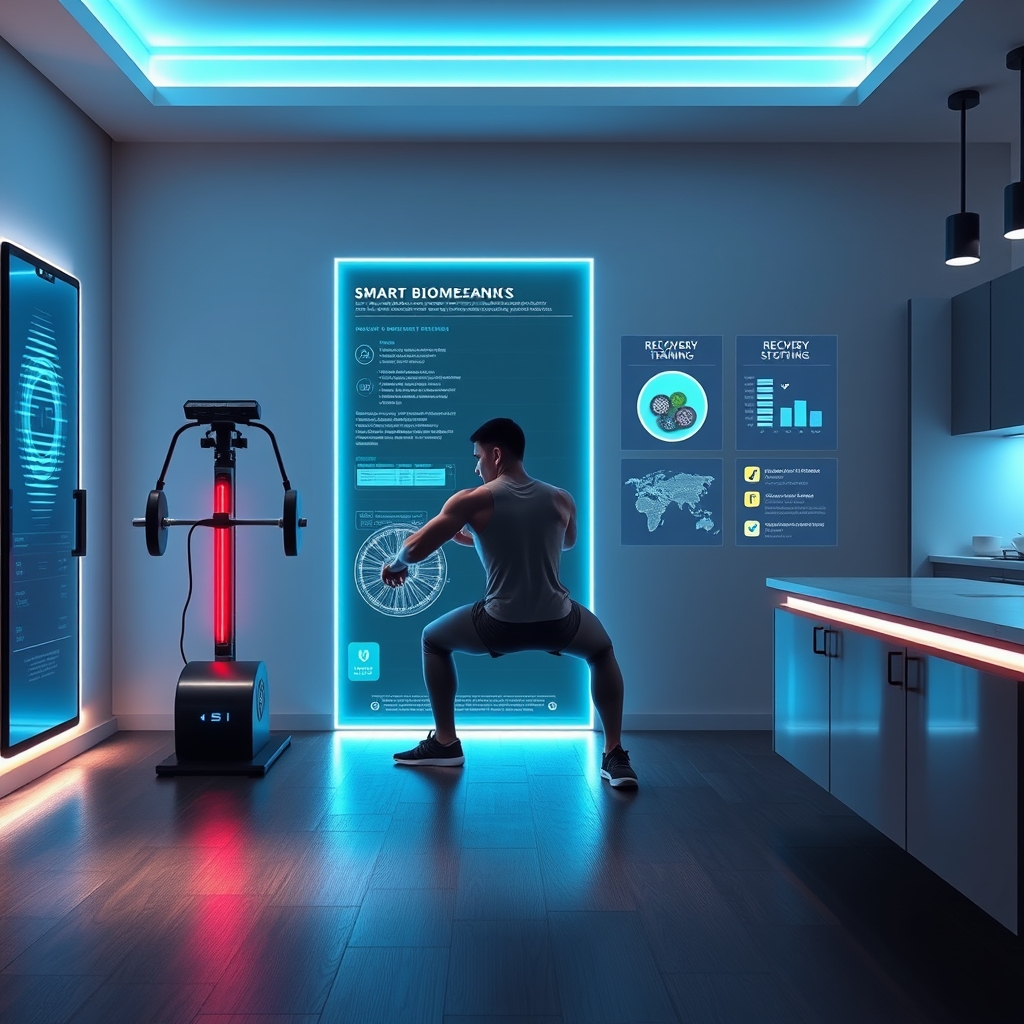
Imagine stepping into your home gym at 6 AM, where the lights adjust to your circadian rhythm, the temperature is set to optimize muscle recovery, and your AI-powered virtual trainer already knows your exact energy levels—before you’ve even touched a weight. This isn’t a scene from a sci-fi movie; it’s the reality of fitness & gym culture in 2026, where personalized workout plans, smart home gym integration, and precision nutrition powered by AI are redefining what it means to transform your body. The days of generic workout routines and one-size-fits-all diet plans are over. Today, the fusion of cutting-edge technology and biohacking is crafting hyper-specific body transformations with surgical precision.
The AI-Powered Workout Revolution: Beyond Generic Routines
Gone are the days of flipping through fitness magazines or following a celebrity trainer’s one-size-fits-all program. In 2026, AI-driven workouts are the gold standard, adapting in real-time to your biometrics, performance, and even your mood. Smart home gyms like Tonal, Mirror, and Peloton have evolved into fully integrated systems that don’t just track reps—they analyze your form, predict fatigue, and adjust resistance dynamically to prevent injury while maximizing gains.
For example, if your AI detects that your left deltoid is weaker than your right, it will automatically tweak your shoulder workout to address the imbalance. Or, if your heart rate variability (HRV) suggests you’re overtraining, it might swap a high-intensity session for active recovery. This level of hyper-specific body transformation was once reserved for elite athletes. Now, it’s accessible to anyone with a smart home gym and a willingness to embrace the future of fitness.
How AI is Personalizing Your Workout Down to the Rep
AI doesn’t just personalize workouts—it engineers them. Using data from wearables, smart scales, and even your sleep patterns, algorithms create a workout plan that evolves with you. Struggling with squat depth? Your AI trainer will slow down the movement, add mobility drills, and adjust the weight until your form is flawless. Hitting a plateau? The system will introduce micro-variations in your routine—like changing tempo, rest periods, or exercise order—to shock your muscles into growth.
The result? Faster progress, fewer injuries, and a physique that’s sculpted with the precision of a master craftsman. And the best part? You don’t need to be a tech expert to make it work. The AI handles the complexity, so you can focus on the results.
Smart Home Gym Integration: Your Personal Fitness Ecosystem
The modern home gym is no longer just a room with a treadmill and a set of dumbbells. In 2026, it’s a fully integrated fitness ecosystem where every piece of equipment communicates with the others to create a seamless, personalized experience. Your smart mirror displays your workout in real-time, your resistance bands adjust tension automatically, and your recovery tools—like percussion massagers and red light therapy panels—sync with your AI to optimize post-workout healing.
But the real game-changer? Smart home gym integration with your daily life. Your fridge suggests post-workout meals based on your macros, your smartwatch reminds you to hydrate, and your AI even adjusts your thermostat to keep your body in the ideal recovery zone. It’s not just about working out smarter—it’s about living smarter, with every aspect of your routine designed to support your transformation.
The Rise of the Connected Athlete
This level of integration isn’t just convenient—it’s transformative. When your fitness data flows seamlessly between devices, you get a holistic view of your health that was once impossible. For instance, if your AI notices that your sleep quality is declining, it might adjust your workout intensity or suggest a magnesium supplement to improve recovery. Or, if your smart scale detects a sudden drop in muscle mass, your AI could tweak your protein intake and resistance training volume to counteract it.
The future of fitness isn’t just about working harder—it’s about working smarter, with every variable accounted for. And as smart home gyms become more advanced, the line between fitness and daily life will blur, creating a world where your environment is constantly optimizing for your success.
Precision Nutrition & AI Dieting: Fueling Your Body with Surgical Accuracy
You’ve heard it before: abs are made in the kitchen. But in 2026, the kitchen is as high-tech as the gym. Precision nutrition & AI dieting are taking the guesswork out of meal planning, using data from your genetics, microbiome, and even your metabolic rate to craft a diet that’s as unique as your fingerprint. No more generic meal plans or fad diets—just hyper-personalized nutrition that evolves with your body’s needs.
AI-powered apps like Nutrino and PlateJoy have evolved into full-fledged nutrition coaches, analyzing everything from your blood sugar response to your food preferences to create a diet plan that actually works for you. And with smart kitchen appliances like AI-powered blenders and precision cookers, preparing these meals is easier than ever. Your coffee maker might even adjust your caffeine intake based on your cortisol levels, ensuring you’re energized but not overstimulated.
How AI is Hacking Your Metabolism
The secret to precision nutrition lies in its ability to adapt. If your AI detects that your body responds better to higher fat intake on certain days, it will adjust your macros accordingly. Or, if your smart fork (yes, that’s a real thing) notices you’re eating too quickly, it might remind you to slow down to improve digestion. Even your gut microbiome is factored in, with AI suggesting probiotics or prebiotics to optimize your digestion and nutrient absorption.
This level of detail might sound excessive, but when it comes to body transformation, the devil is in the details. A diet that’s tailored to your unique biology doesn’t just help you lose fat or build muscle—it helps you sustain those results long-term, without the yo-yo effect of traditional diets.
Recovery Tech & Biohacking: The Unsung Heroes of Transformation
Here’s a hard truth: you don’t get stronger in the gym. You get stronger after the gym, during recovery. And in 2026, recovery tech & biohacking are taking this principle to the next level. From cryotherapy chambers in your garage to AI-powered sleep trackers that optimize your rest, the tools for recovery are more advanced—and more accessible—than ever.
Biohacking isn’t just for Silicon Valley elites anymore. Wearables like Whoop and Oura Ring provide real-time feedback on your recovery status, while red light therapy panels, PEMF mats, and even hyperbaric oxygen chambers are becoming commonplace in home gyms. And with AI analyzing your recovery data, you’ll know exactly when to push hard and when to take it easy—eliminating the guesswork that often leads to burnout or injury.
The Science of Faster Recovery
But recovery isn’t just about gadgets—it’s about strategy. AI can now predict when you’re at risk of overtraining and suggest active recovery sessions, like yoga or mobility drills, to keep you moving without overloading your system. It can also recommend supplements like collagen for joint health or adaptogens for stress management, based on your body’s specific needs.
And let’s not forget sleep—the ultimate recovery tool. Smart mattresses, blackout curtains, and even AI-powered white noise machines are now designed to optimize your sleep environment, ensuring you wake up refreshed and ready to tackle your next workout. Because in the world of hyper-specific body transformation, recovery isn’t an afterthought—it’s the foundation of your success.
So, what’s the takeaway? The future of fitness isn’t about working harder—it’s about working smarter, with every tool at your disposal fine-tuned to your unique biology. Whether it’s AI-driven workouts, smart home gym integration, precision nutrition, or cutting-edge recovery tech, the path to your dream physique is no longer a mystery. It’s a science. And with the right tools, you’re not just chasing results—you’re engineering them, one data point at a time. The question is, are you ready to step into the future of fitness?
