The 2026 Fitness Metamorphosis: How AI, Smart Home Gyms, and Biohacking Are Engineering Your Most Precise Body Yet
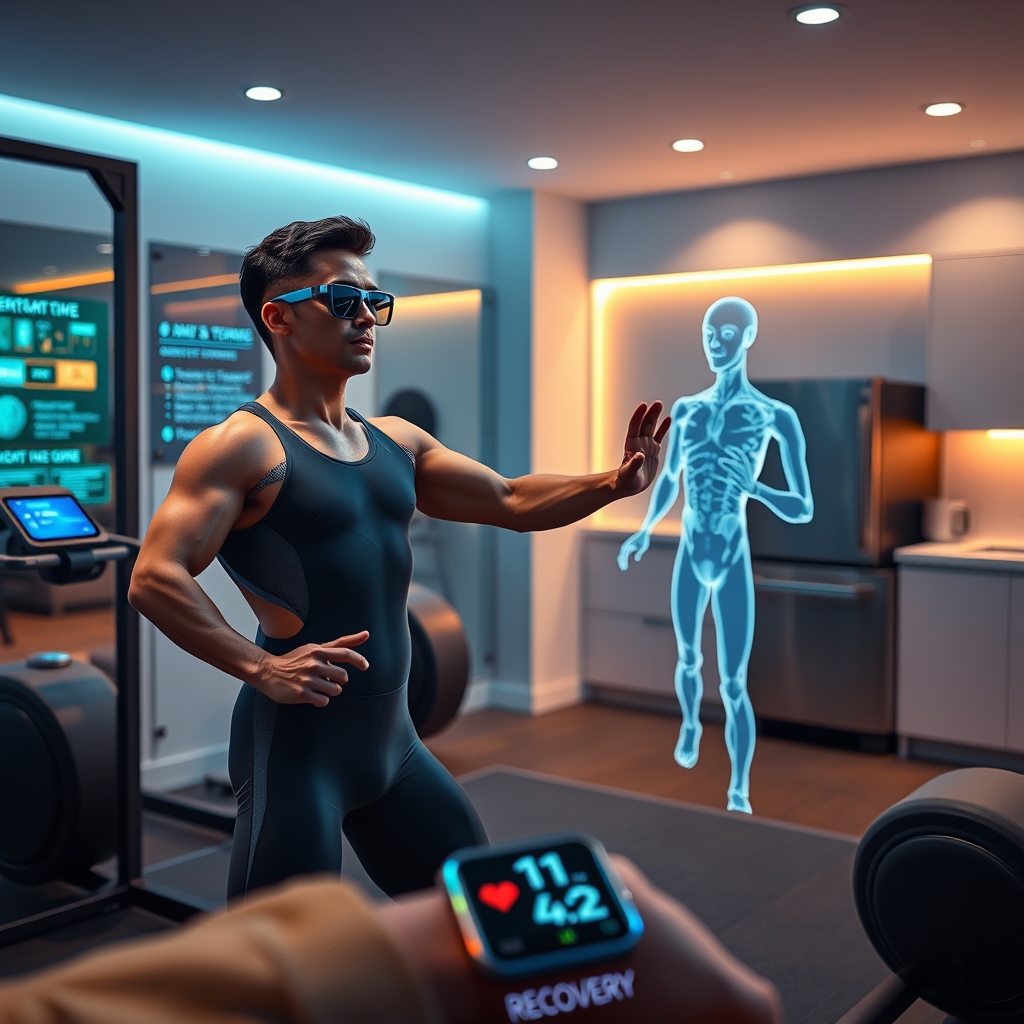
Imagine stepping into your home gym at 6 AM, where the lighting adjusts to your circadian rhythm, the temperature is calibrated for optimal muscle performance, and your AI coach greets you by name—already knowing your sleep quality, stress levels, and yesterday’s recovery metrics. This isn’t a scene from a sci-fi movie; it’s the reality of fitness & gym culture in 2026, where hyper-specific body transformations are no longer a luxury but an expectation. The days of generic workout plans and one-size-fits-all nutrition are fading, replaced by a seamless fusion of AI-driven personalization, smart home gym integration, and cutting-edge recovery tech. If you’re still following a cookie-cutter routine, you’re not just behind the curve—you’re missing out on the most precise, efficient, and sustainable path to your dream physique.
The AI-Powered Workout Revolution: No More Guesswork
Gone are the days of flipping through fitness magazines or scrolling endlessly for workout inspiration. AI has infiltrated the gym—literally—by transforming how we train. Smart home gyms like Tonal, Mirror, and Tempo are now equipped with machine learning algorithms that analyze your form in real-time, adjust resistance dynamically, and even predict when you’re at risk of injury. These systems don’t just track reps; they decode your biomechanics, identifying imbalances and prescribing corrective exercises before they become problems.
But the real magic happens when AI goes beyond the workout itself. Platforms like Future and Freeletics now integrate with wearables to monitor your heart rate variability (HRV), sleep patterns, and even mood fluctuations. If your stress levels are spiking, your AI coach might swap out a high-intensity session for yoga or mobility work—because in 2026, fitness isn’t just about pushing harder; it’s about training smarter. The result? Hyper-specific body transformations that align with your genetics, lifestyle, and goals, not someone else’s.
How Smart Home Gyms Are Redefining Convenience
The rise of smart home gyms isn’t just about technology—it’s about accessibility. No more commuting to crowded gyms or waiting for equipment. With AI-powered systems, your living room becomes a high-performance training facility. Devices like the Peloton Guide use 3D motion tracking to ensure you’re performing exercises with perfect form, while AI-generated voice feedback keeps you engaged and accountable. And with subscription-based models, you’re not just buying equipment; you’re investing in a 24/7 personal trainer, nutritionist, and physiotherapist rolled into one.
What’s more, these systems learn and adapt. If you’re consistently struggling with a particular movement, your AI coach will modify the workout on the fly, ensuring you’re always challenged but never overwhelmed. This level of personalized workout AI means no two sessions are the same, keeping your body—and your mind—constantly engaged.
Precision Nutrition: AI’s Role in Crafting Your Perfect Diet
If workouts are the engine of your transformation, nutrition is the fuel—and in 2026, AI is the mechanic fine-tuning every drop. The era of rigid meal plans and calorie counting is over. Today, apps like Nutrino and PlateJoy use AI to analyze your bloodwork, gut microbiome, and even your DNA to craft a diet that’s uniquely yours. Forget generic macros; we’re talking about precision nutrition & AI dieting that accounts for how your body metabolizes food, your food sensitivities, and even your cravings.
But AI doesn’t stop at meal planning. Smart kitchen appliances like the June Oven and Innit’s connected cooking system take the guesswork out of meal prep. These devices sync with your nutrition app to suggest recipes based on your dietary needs, then guide you through cooking with step-by-step instructions. And with real-time adjustments—like swapping ingredients based on what’s in your fridge—AI ensures you’re always eating for optimal performance, not just convenience.
The Biohacking Edge: Recovery Tech That Works While You Sleep
In 2026, recovery isn’t an afterthought—it’s a science. The rise of recovery tech & biohacking has turned passive rest into an active part of your transformation. Wearables like Whoop and Oura Ring track your recovery metrics in real-time, while AI-powered platforms like Restore Hyper Wellness offer personalized recovery protocols, from cryotherapy to red light therapy, tailored to your body’s needs.
But the real game-changer? Sleep optimization. AI-driven sleep tech like Eight Sleep’s Pod and Bryte’s smart mattress adjust temperature, firmness, and even position throughout the night to maximize deep sleep and muscle recovery. And with apps like Rise Science, you’re not just tracking sleep—you’re getting actionable insights on how to improve it, ensuring you wake up refreshed and ready to crush your next workout.
The Future Is Hyper-Specific: Your Body, Your Rules
The beauty of this fitness revolution isn’t just in the technology—it’s in the personalization. Whether you’re a competitive athlete or a busy professional, AI and smart home gym integration mean your workouts, nutrition, and recovery are tailored to you. No more forcing yourself into a mold that doesn’t fit. No more wasting time on strategies that don’t work. In 2026, fitness is about precision, efficiency, and results that last.
So, if you’re still following a generic plan, ask yourself: Are you really getting the most out of your efforts? The tools for a hyper-specific body transformation are here—it’s time to use them. Your future self will thank you for making the switch today, not tomorrow.
