The Algorithmic Athlete: How AI, Smart Home Gyms, and Biohacking Are Engineering Your Most Precise Body Transformation Yet
Imagine stepping into your home gym at 6 AM, where the lights adjust to your circadian rhythm, the temperature is optimized for performance, and your AI coach already knows exactly how hard to push you—because it analyzed your sleep data, cortisol levels, and muscle recovery from last night. This isn’t a scene from a sci-fi movie. It’s the reality of fitness & gym culture in 2026, where personalized workout AI, smart home gym integration, and precision nutrition & AI dieting are converging to create hyper-specific body transformations that were once thought impossible.
Gone are the days of generic workout plans and one-size-fits-all meal prep. Today’s fitness revolution is built on data, algorithms, and cutting-edge tech that adapts to you—not the other way around. Whether you’re chasing elite athletic performance or simply looking to optimize your health, the tools at your disposal are now smarter, more intuitive, and more powerful than ever before.
The Rise of the Algorithmic Workout: How AI Is Redefining Gym Culture
The traditional gym experience is evolving at breakneck speed, thanks to the integration of artificial intelligence. Personalized workout AI isn’t just a buzzword—it’s a game-changer. Platforms like Tonal, Mirror, and Peloton have already laid the groundwork, but the next generation of AI-driven fitness takes personalization to a whole new level.
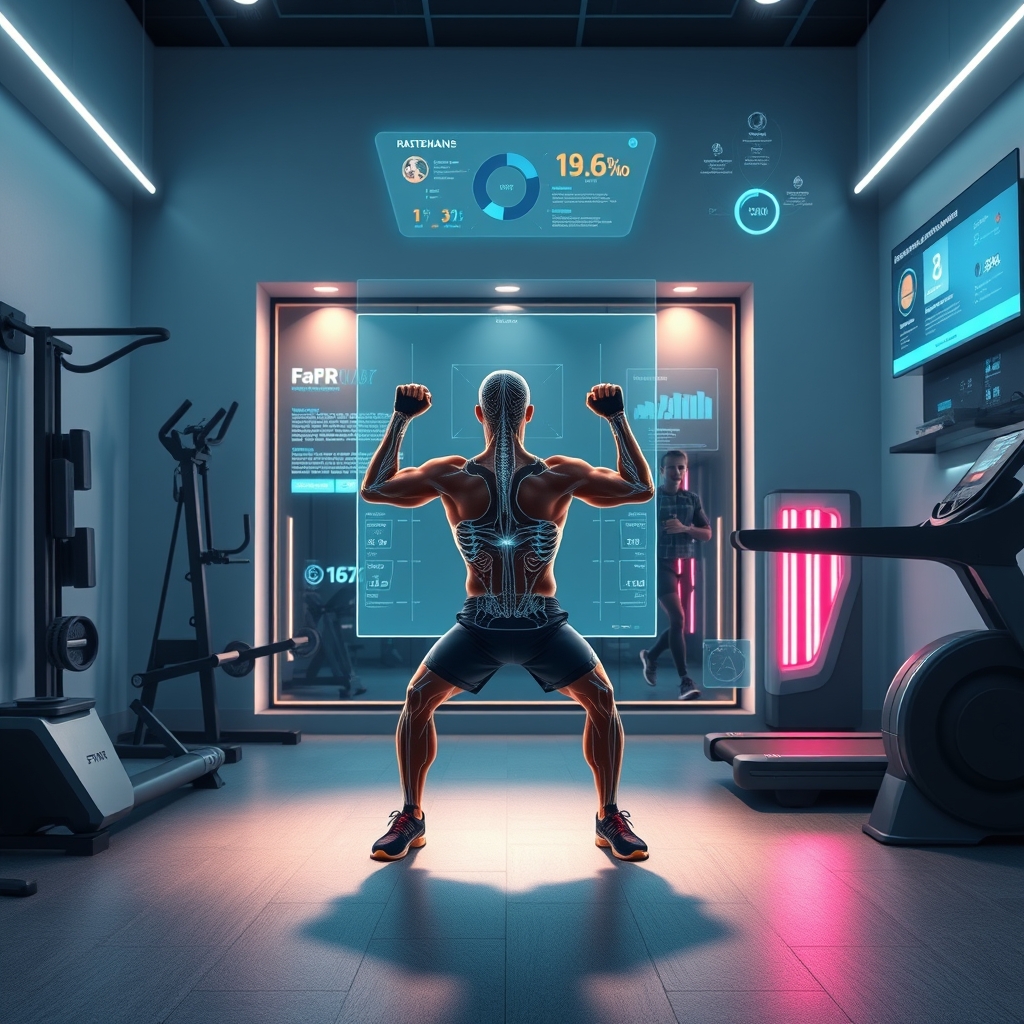
These systems don’t just track reps and sets; they analyze biomechanics in real-time, adjusting resistance, form cues, and even suggesting modifications based on your fatigue levels. For example, if your AI detects that your left glute isn’t activating as efficiently as your right during a squat, it might recommend unilateral exercises to correct the imbalance. This level of detail ensures that every workout is not just effective, but optimized for your body’s unique needs.
But the real magic happens when AI meets smart home gym integration. Imagine your treadmill syncing with your smartwatch to adjust incline based on your heart rate variability (HRV), or your resistance bands automatically calibrating tension based on your previous session’s performance. This seamless connectivity turns your home into a high-tech training lab, where every variable is controlled for maximum results.
Precision Nutrition: How AI Is Crafting Your Perfect Diet
If workouts are the engine of your transformation, nutrition is the fuel—and in 2026, that fuel is being refined with surgical precision. Precision nutrition & AI dieting are no longer reserved for elite athletes. Apps like Nutrino (acquired by Medtronic) and PlateJoy are using AI to analyze blood glucose responses, microbiome data, and even genetic markers to craft meal plans that are as unique as your fingerprint.
Here’s how it works: Your AI diet coach might notice that your energy crashes every afternoon, despite eating what should be a balanced lunch. After cross-referencing your food log with your sleep data and activity levels, it could determine that you’re not absorbing iron efficiently, leading to a tailored recommendation for vitamin C-rich snacks to enhance absorption. Or, if your goal is fat loss, the AI might identify that your body responds better to higher-protein meals in the morning, adjusting your macros accordingly.
The result? A diet that doesn’t just support your goals but accelerates them. And with smart kitchen appliances like the June Oven or the Genie smart scale, even meal prep becomes a data-driven process, ensuring every bite aligns with your body’s needs.
Recovery Tech and Biohacking: The Secret Weapons of Hyper-Specific Transformation
What if we told you that the most critical part of your fitness journey happens outside the gym? Recovery tech & biohacking are the unsung heroes of modern fitness, and in 2026, they’re more advanced than ever. From cryotherapy chambers that fit in your living room to red light therapy panels that accelerate muscle repair, recovery is no longer an afterthought—it’s a science.
AI-driven recovery tools like Whoop and Oura Ring have already shown how powerful data can be in optimizing rest. But the next frontier? Predictive recovery. Imagine your AI coach warning you that your HRV is trending downward before you feel fatigued, then prescribing a combination of compression therapy, magnesium supplementation, and a 20-minute yoga flow to get you back on track. This proactive approach prevents overtraining, reduces injury risk, and ensures you’re always performing at your peak.
Biohacking takes this a step further by leveraging cutting-edge science to enhance performance. Whether it’s using continuous glucose monitors (CGMs) to fine-tune your carb intake or experimenting with nootropics to sharpen mental focus during workouts, biohacking allows you to push the boundaries of what your body can achieve. And with AI analyzing the results, every experiment becomes a learning opportunity, bringing you closer to your hyper-specific body transformation.
From Data to Dominance: How Smart Home Gyms Are Making It All Possible
The smart home gym isn’t just a trend—it’s the future of fitness. Smart home gym integration is what ties everything together, creating a cohesive ecosystem where your workouts, nutrition, and recovery are all in sync. Companies like Tempo and NordicTrack are leading the charge, but the real innovation lies in how these systems communicate with each other.
Picture this: Your AI coach detects that your sleep was suboptimal last night, so it adjusts today’s workout to focus on mobility and active recovery instead of high-intensity intervals. Meanwhile, your smart fridge suggests a smoothie packed with tart cherry juice (a natural anti-inflammatory) and collagen peptides to support joint health. By the time you step into your home gym, your entire day has been optimized for performance—without you having to lift a finger.
This level of integration extends beyond the physical. Mental performance is just as critical, which is why smart home gyms are incorporating mindfulness and cognitive training into their platforms. Whether it’s a guided meditation to lower pre-workout stress or a brain-training game to improve reaction time, these tools ensure that your transformation is holistic—mind, body, and beyond.
The Future Is Hyper-Specific: What This Means for Your Fitness Journey
The era of generic fitness advice is over. In 2026, the tools exist to create a hyper-specific body transformation that aligns with your genetics, lifestyle, and goals. But with so much technology at your fingertips, where do you even begin?
Start small. If you’re new to AI-driven fitness, try integrating one smart tool into your routine—a recovery wearable, a nutrition app, or a single piece of smart gym equipment. Let the data guide you, and don’t be afraid to experiment. The beauty of this new fitness landscape is that it’s adaptive. The more you use it, the smarter it gets, and the closer you come to unlocking your full potential.
Remember, the goal isn’t just to look better or lift heavier—it’s to feel stronger, move more efficiently, and live healthier. And with AI, smart home gyms, and biohacking on your side, that goal isn’t just achievable. It’s inevitable. The only question left is: How far will you push the limits of what your body can do?
