The Next Evolution of Fitness: AI-Driven Personalization, Smart Home Gyms, and Biohacking for Unmatched Results in 2026
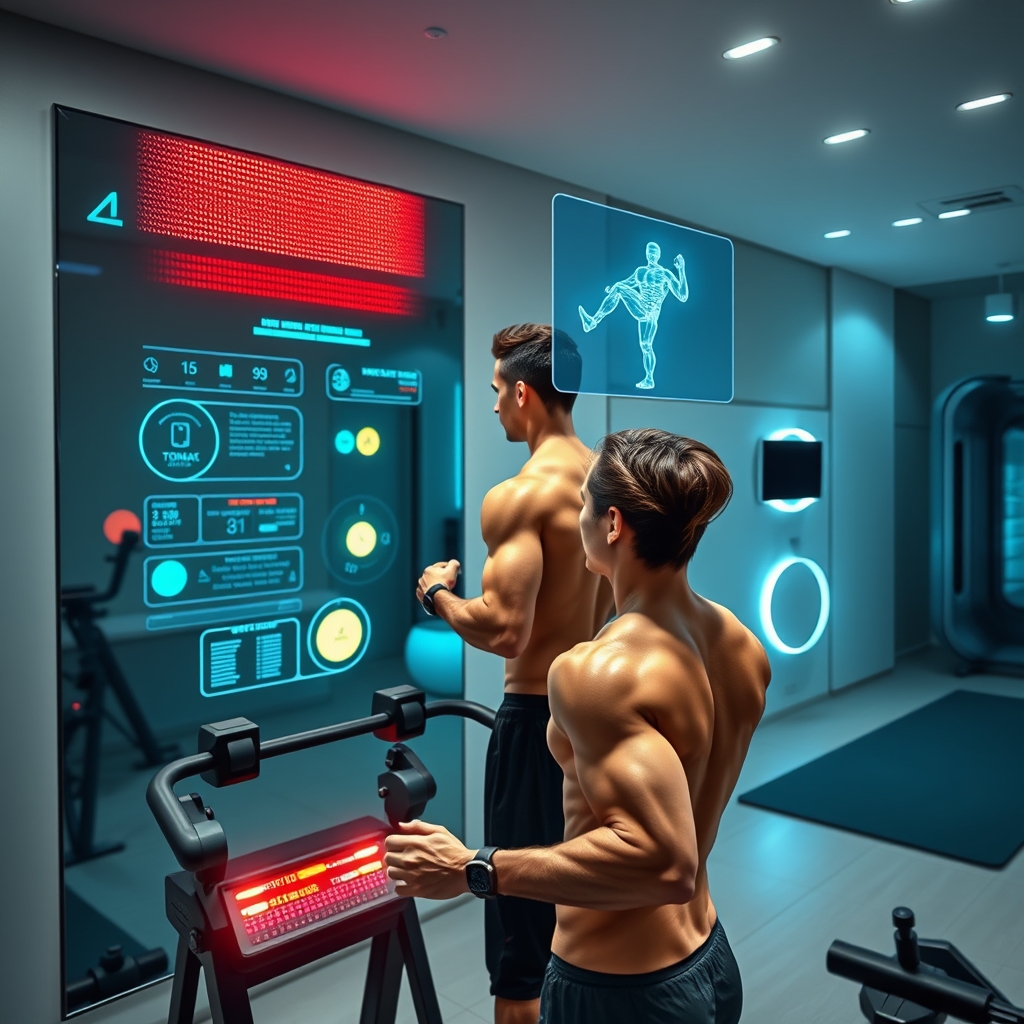
Imagine stepping into your home gym, where the equipment adjusts to your body’s needs before you even begin. The weights shift, the resistance calibrates, and your AI coach delivers a workout tailored not just to your goals—but to your real-time biometrics. This isn’t a scene from a sci-fi movie; it’s the reality of fitness & gym culture in 2026, where personalized workout plans, smart home gym integration, and precision nutrition powered by AI are redefining what it means to transform your body. No more guesswork, no more plateaus—just hyper-specific results driven by data, technology, and science.
The Rise of AI-Powered Personalized Workouts
Gone are the days of generic workout plans that ignore your unique physiology. AI is now the architect behind every rep, set, and recovery period, analyzing everything from your muscle fatigue to your hormonal responses. These systems don’t just track progress—they predict it, adjusting your routine in real time to maximize efficiency and minimize injury risk. Whether you’re a beginner or an elite athlete, AI-driven fitness ensures your training evolves as you do.
Smart home gyms are at the forefront of this revolution, integrating seamlessly with wearables and biometric sensors. Devices like Tonal, Mirror, and Peloton’s AI-powered systems now offer dynamic resistance training, form correction, and even emotional support through adaptive coaching. The result? A workout experience that feels less like a chore and more like a collaboration between human and machine.
How AI Decodes Your Body’s Signals
AI doesn’t just follow a script—it learns. By processing data from heart rate variability, sleep patterns, and even stress levels, these systems identify patterns that humans might miss. For example, if your recovery metrics suggest overtraining, your AI coach might swap a high-intensity session for active recovery. This level of precision nutrition & AI dieting integration ensures your body gets exactly what it needs, when it needs it.
But the real magic happens when AI combines with biofeedback. Imagine a smart mat that analyzes your balance during yoga or a resistance band that adjusts tension based on your muscle engagement. These innovations aren’t just convenient—they’re game-changers for injury prevention and performance optimization.
Smart Home Gyms: The Future of Convenience and Customization
The shift toward home workouts isn’t just about convenience—it’s about control. Smart home gyms eliminate the barriers of crowded spaces, fixed schedules, and one-size-fits-all equipment. With AI at the helm, every session is optimized for your space, time, and goals. No more waiting for the squat rack or adjusting to someone else’s pace.
These systems also bridge the gap between fitness and lifestyle. Voice-activated controls, AR-guided workouts, and real-time feedback create an immersive experience that rivals (or surpasses) traditional gyms. And with smart home gym integration, your workout data syncs effortlessly with your nutrition app, sleep tracker, and even your smart fridge—creating a holistic ecosystem for health.
The Role of IoT in Fitness
The Internet of Things (IoT) is the backbone of this connected fitness experience. From smart scales that measure body composition to mirrors that display form corrections, every device communicates to create a unified health profile. This level of integration means your AI coach can recommend a post-workout smoothie based on your macros or suggest a recovery session if your sleep data indicates fatigue.
For those serious about hyper-specific body transformation, IoT-enabled gyms offer unparalleled personalization. Whether you’re training for a marathon, sculpting a physique, or rehabilitating an injury, the system adapts to your evolving needs—no guesswork required.
Precision Nutrition: AI’s Role in Fueling Your Transformation
What you eat is just as important as how you train, and AI is revolutionizing nutrition with the same level of precision it brings to workouts. Gone are the days of rigid meal plans that ignore your cravings, metabolism, or lifestyle. Today’s AI dieting tools analyze your genetic markers, gut microbiome, and even your mood to craft a nutrition strategy that’s as unique as your fingerprint.
These systems go beyond calorie counting. They predict how your body will respond to certain foods, adjust macros based on your activity levels, and even suggest recipes tailored to your taste preferences. For example, if your AI detects a magnesium deficiency, it might recommend a spinach smoothie or a handful of pumpkin seeds—before you even feel the effects of the imbalance.
Biohacking and Recovery: The Missing Link in Fitness
No transformation is complete without recovery, and recovery tech & biohacking are now essential components of any serious fitness regimen. From cryotherapy chambers to red-light therapy panels, these tools accelerate healing, reduce inflammation, and enhance performance. But the real breakthrough? AI-driven recovery protocols that adapt to your body’s needs in real time.
Wearables like Whoop and Oura Ring track recovery metrics such as heart rate variability and sleep quality, while AI interprets this data to recommend the ideal recovery strategy. Whether it’s a 20-minute nap, a contrast shower, or a mobility session, these systems ensure you’re always operating at peak performance. For those chasing hyper-specific body transformations, recovery isn’t an afterthought—it’s the foundation of progress.
The Future of Fitness: Where Technology Meets Human Potential
The fusion of AI, smart home gyms, and biohacking isn’t just changing how we train—it’s redefining what’s possible. No longer are we limited by generic programs or one-size-fits-all advice. Instead, we have access to tools that understand our bodies better than we do, adapting in real time to help us achieve our goals faster and more efficiently than ever before.
But the most exciting part? This is just the beginning. As AI continues to evolve, so too will its ability to personalize every aspect of our fitness journey. From genetic-based training to real-time metabolic tracking, the future of fitness is hyper-specific, data-driven, and limitless. The question isn’t whether you’ll embrace this revolution—it’s how soon you’ll start seeing the results.
Your perfect physique isn’t a distant dream. With the right tools, it’s a data-driven reality waiting to be unlocked. The only thing left to do is step into the future and let technology guide the way.
