The Next Evolution of Fitness: How AI, Smart Home Gyms, and Biohacking Are Redefining Hyper-Personalized Transformation in 2026
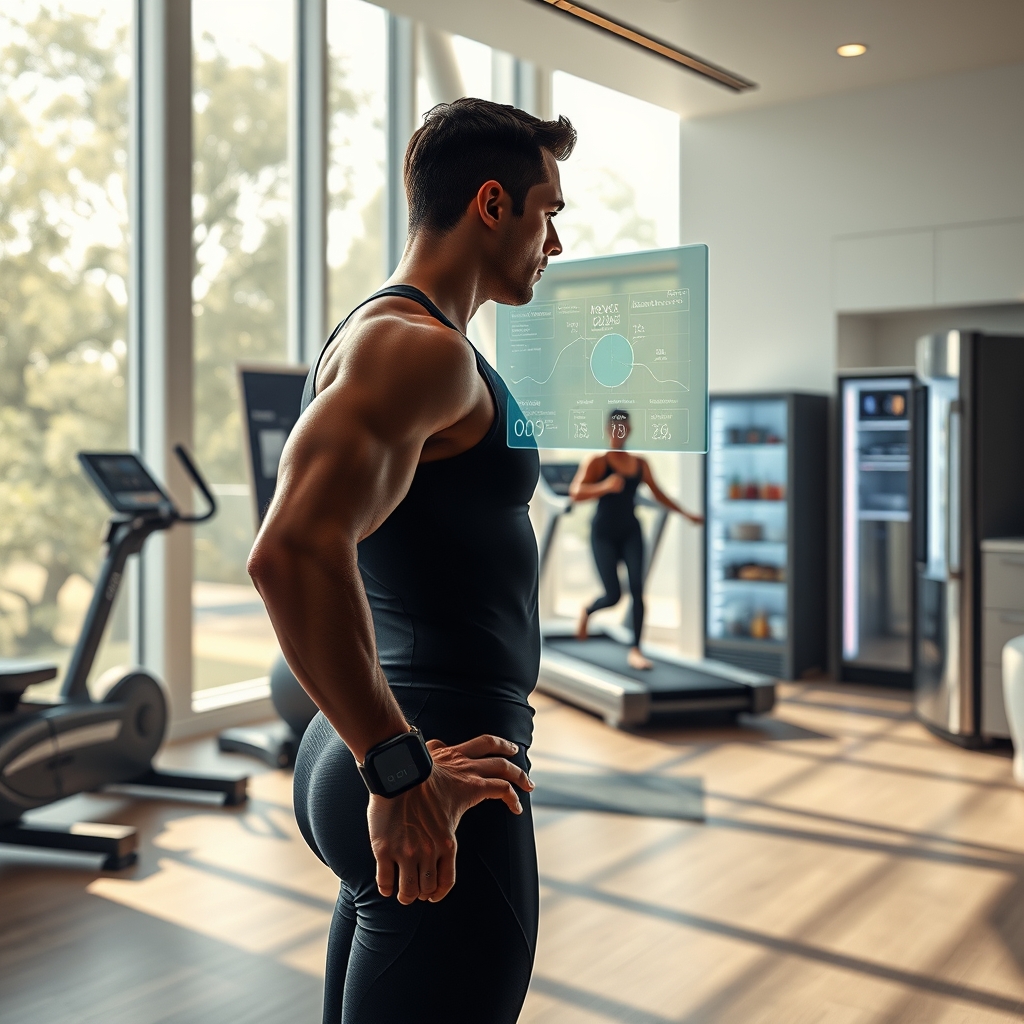
Imagine stepping into your home gym at 6 AM, where the lights adjust to your circadian rhythm, the temperature is optimized for performance, and your AI coach greets you with a workout tailored not just to your goals—but to your DNA, sleep data, and even your stress levels from the day before. This isn’t a scene from a sci-fi movie; it’s the new reality of fitness & gym culture in 2026. The era of generic workout plans and one-size-fits-all nutrition is fading, replaced by a hyper-personalized ecosystem where technology doesn’t just support your journey—it anticipates and evolves with you.
The Rise of AI-Powered Personalized Workout Systems
The days of flipping through workout apps or guessing which exercises will yield results are over. AI-driven platforms now analyze your biomechanics, strength imbalances, and recovery metrics to craft a personalized workout that adapts in real time. For example, if your left glute is weaker than your right, the system will prioritize unilateral movements to correct the imbalance, adjusting intensity based on your fatigue levels.
Smart home gym equipment, like AI-powered resistance trainers and motion-tracking mirrors, ensures every rep is executed with precision. These systems don’t just count reps—they analyze form, suggest corrections, and even predict injury risks before they happen. The result? A workout experience that’s as unique as your fingerprint, designed to maximize efficiency and minimize wasted effort.
How AI is Eliminating the Guesswork
Traditional fitness plans often rely on broad assumptions: “Do 3 sets of 10 reps” or “Run for 30 minutes.” But what if your body recovers faster than average? Or what if your muscles respond better to shorter, high-intensity bursts? AI eliminates the guesswork by continuously learning from your data. Over time, it refines your program to align with your genetic predispositions, hormonal fluctuations, and even your daily schedule.
This level of precision in fitness isn’t just for elite athletes. Whether you’re a busy professional squeezing in a 20-minute session or a retiree focusing on mobility, AI ensures every minute of your workout is optimized for your body’s current state.
Smart Home Gym Integration: The Future of Convenience and Customization
The smart home gym isn’t just a trend—it’s a revolution. In 2026, your living room, garage, or spare bedroom can transform into a high-tech training facility with equipment that syncs seamlessly with your AI coach. Imagine a treadmill that adjusts its incline based on your heart rate variability or a rowing machine that modifies resistance to match your energy levels.
These systems integrate with wearables, sleep trackers, and even smart scales to create a holistic view of your health. For instance, if your sleep quality was poor the night before, your AI might suggest a low-impact session or prioritize recovery techniques like foam rolling and breathwork. The goal isn’t just to work out harder—it’s to work out smarter.
The Role of IoT in Fitness
The Internet of Things (IoT) has made it possible for your gym equipment to “talk” to each other. Your smartwatch communicates with your resistance bands, your recovery boots sync with your hydration tracker, and your AI coach consolidates all this data into actionable insights. This interconnected ecosystem ensures that every aspect of your fitness journey is aligned, from warm-up to cool-down.
For those who prefer the social aspect of a traditional gym, virtual group classes and AI-powered training partners offer the best of both worlds. You can compete in real-time challenges with friends or follow a live-streamed session led by a world-class coach, all from the comfort of your home.
Precision Nutrition & AI Dieting: Fueling Your Body with Data-Driven Insights
What you eat is just as important as how you train, and AI is transforming nutrition from a guessing game into a science. Gone are the days of generic meal plans that ignore your metabolic rate, food sensitivities, or micronutrient deficiencies. Today’s AI dieting platforms analyze your bloodwork, gut microbiome, and even your genetic markers to create a hyper-personalized nutrition plan.
These systems don’t just tell you what to eat—they explain why. For example, if your AI detects a magnesium deficiency, it might recommend specific foods or supplements to address it while adjusting your macronutrient ratios to support muscle recovery. And with real-time feedback from wearables, your plan evolves as your body does, ensuring you’re always fueling for optimal performance.
Beyond Calorie Counting: The Science of Personalized Macros
Calorie counting has its place, but it’s only one piece of the puzzle. AI-driven nutrition takes into account factors like your activity level, stress hormones, and even the time of day you eat. For instance, if you’re training for a marathon, your AI might increase your carbohydrate intake on high-volume days while prioritizing protein and healthy fats on recovery days.
Meal prep has also gotten smarter. AI-powered kitchen appliances can suggest recipes based on your dietary needs, track your grocery list, and even adjust portion sizes based on your hunger cues. The result is a nutrition plan that’s as dynamic as your lifestyle, designed to keep you energized, satisfied, and on track.
Recovery Tech & Biohacking: The Secret Weapon for Sustainable Results
Pushing your limits in the gym is only half the battle. The other half? Recovery. In 2026, recovery tech & biohacking have become essential tools for anyone serious about transformation. From cryotherapy chambers that fit in your living room to AI-powered massage guns that target specific muscle groups, recovery is no longer an afterthought—it’s a science.
Biohacking takes recovery to the next level by using data to optimize your body’s natural processes. For example, red light therapy devices can accelerate muscle repair, while sleep trackers analyze your REM cycles to suggest the ideal bedtime. Even your breathing patterns can be hacked—AI-guided breathwork sessions help reduce cortisol levels, improve focus, and enhance recovery between workouts.
The Role of Wearables in Recovery
Wearables have evolved from simple step counters to sophisticated health monitors. Today’s devices track everything from heart rate variability (HRV) to blood oxygen levels, giving you a real-time snapshot of your recovery status. If your HRV is low, your AI coach might recommend a rest day or a gentle yoga session instead of a high-intensity workout.
For those who love data, biohacking tools like continuous glucose monitors (CGMs) and smart rings provide insights into how your body responds to different foods, workouts, and stressors. This level of detail allows you to fine-tune your routine for maximum results with minimal burnout.
Hyper-Specific Body Transformation: The Ultimate Goal
The future of fitness isn’t about generic goals like “getting in shape”—it’s about hyper-specific body transformation. Whether you want to build a stronger deadlift, improve your marathon time, or sculpt a leaner physique, AI and smart tech make it possible to target your exact objectives with surgical precision.
For example, if your goal is to increase muscle definition in your upper body, your AI coach might design a program that combines resistance training with metabolic conditioning, while your nutrition plan prioritizes protein synthesis and fat loss. Meanwhile, your recovery tech ensures you’re not overtraining, allowing your muscles to repair and grow efficiently.
This level of customization extends beyond aesthetics. Athletes can use AI to optimize their performance for specific sports, while older adults can focus on mobility and joint health. The possibilities are endless, and the results are undeniable: faster progress, fewer injuries, and a fitness journey that’s as unique as you are.
As we move further into 2026, the fusion of AI, smart home gyms, and biohacking isn’t just changing how we work out—it’s redefining what’s possible. The tools are here, the data is at your fingertips, and the power to transform your body and health has never been more accessible. The question isn’t whether you’ll embrace this revolution, but how soon you’ll start.
