Beyond One-Size-Fits-All: How AI and Smart Tech Are Crafting Your Perfect Fitness Journey in 2026
Imagine stepping into your home gym at 6 AM, where the lights adjust to your circadian rhythm, the smart mirror greets you by name, and an AI-powered virtual trainer already knows your exact energy levels—because it synced with your sleep tracker overnight. This isn’t a scene from a sci-fi movie; it’s the reality of fitness & gym culture in 2026, where personalized workout plans, precision nutrition, and recovery tech are no longer luxuries but expectations. The days of generic workout routines and one-size-fits-all diet plans are fading fast, replaced by hyper-specific body transformations tailored to your genetics, lifestyle, and even your mood. But how exactly is this shift happening, and what does it mean for your fitness journey?
The Rise of AI-Powered Personalized Workout Plans
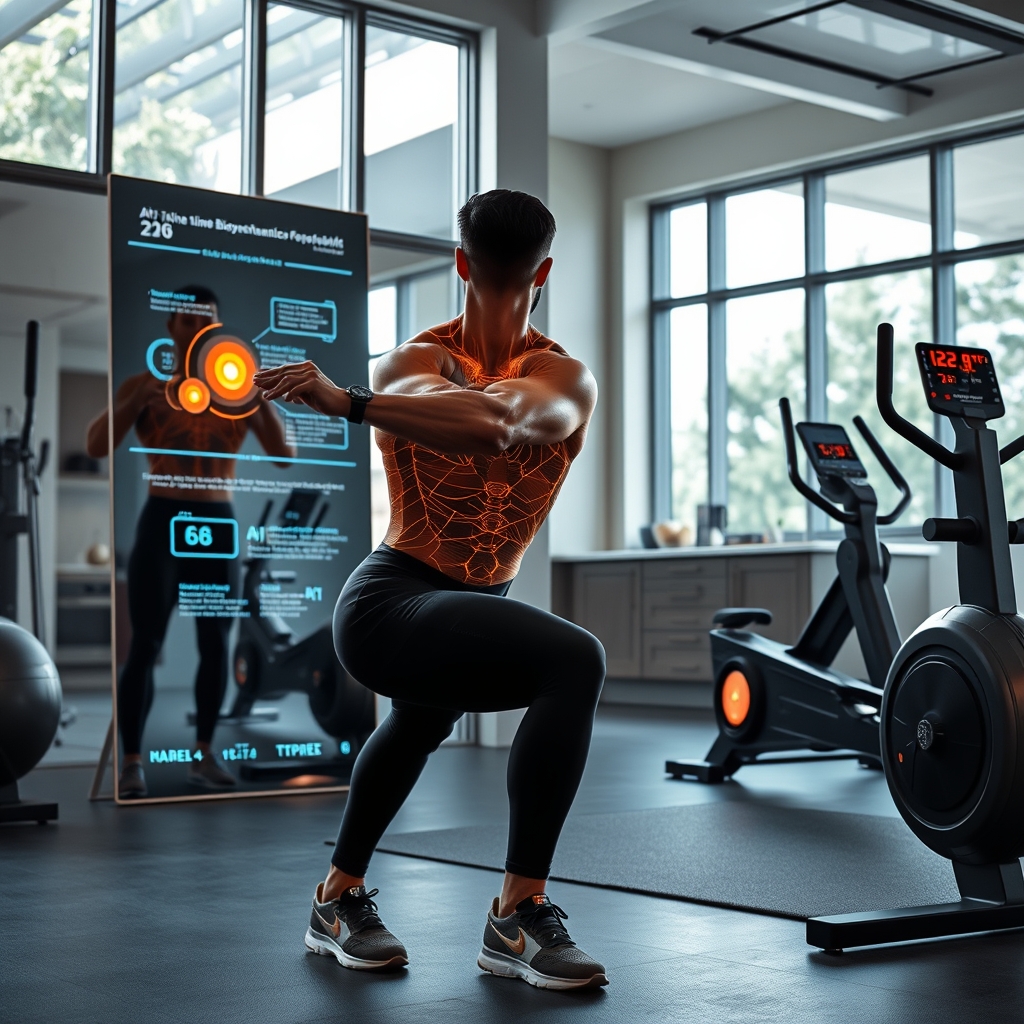
Gone are the days when you’d flip through a fitness magazine or follow a celebrity trainer’s generic routine, hoping it would work for your body type. Today, AI-driven workout customization is taking center stage, analyzing everything from your muscle recovery rates to your form in real-time. Smart home gym equipment, like AI-integrated resistance trainers and motion-sensing mirrors, now adjusts resistance, tempo, and even exercise selection based on your performance. Struggling with a squat? The system might suggest a mobility drill or reduce the weight automatically to prevent injury.
This level of personalization isn’t just about convenience—it’s about results. Studies show that individuals following AI-optimized routines see up to 30% faster progress in strength and endurance compared to traditional methods. The reason? AI doesn’t just track reps; it learns your body’s unique response to stress, fatigue, and recovery, refining your plan daily. For those chasing hyper-specific body transformations, this means no more wasted effort on exercises that don’t align with your goals, whether it’s building explosive power for athletes or sculpting lean muscle for aesthetics.
Smart Home Gym Integration: Your Fitness Ecosystem
The modern home gym is no longer a corner of the basement with a dusty treadmill and a set of dumbbells. In 2026, it’s a seamlessly integrated ecosystem where every piece of equipment communicates with the others—and with you. Smart home gym integration means your rower syncs with your smartwatch to adjust intensity based on your heart rate variability (HRV), while your AI coach suggests a cooldown stretch when it detects elevated cortisol levels. Even your lighting and sound system play a role, with circadian lighting reducing eye strain during late-night workouts and spatial audio creating an immersive environment for virtual classes.
But the real game-changer is interoperability. Platforms like Apple Fitness+, Peloton, and Tonal now share data with nutrition apps, sleep trackers, and even mental health tools, creating a holistic view of your well-being. For example, if your smart scale detects a slight increase in water retention, your AI might tweak your post-workout meal plan to include more potassium-rich foods. This level of integration ensures that every aspect of your fitness journey is working in harmony, not in silos.
Precision Nutrition: The AI Dieting Revolution
If personalized workouts are the engine of your fitness transformation, precision nutrition & AI dieting is the fuel. Generic meal plans are becoming obsolete as AI-driven nutrition platforms analyze your metabolic rate, food sensitivities, and even gut microbiome to craft diets that optimize performance and recovery. Apps like Nutrino (acquired by Medtronic) and PlateJoy now use machine learning to predict how your body will respond to certain foods, adjusting macronutrient ratios in real-time based on your activity levels and goals.
For those focused on hyper-specific body transformations, this means no more guessing whether you need more carbs for endurance or protein for muscle repair. AI can even factor in your genetic predispositions—like how your body processes caffeine or responds to intermittent fasting—ensuring your diet is as unique as your fingerprint. And with smart kitchen appliances like AI-powered blenders and sous-vide cookers, preparing these personalized meals is faster and more precise than ever.
Recovery Tech and Biohacking: The Unsung Heroes of Fitness
Pushing your limits in the gym is only half the battle; the other half happens during recovery. In 2026, recovery tech & biohacking are no longer niche trends but essential components of any serious fitness regimen. Wearables like Whoop and Oura rings track your readiness scores, while AI-powered recovery tools—such as percussive therapy devices and red-light therapy panels—help reduce inflammation and accelerate muscle repair. Even your mattress might be part of the equation, with smart beds adjusting firmness to improve spinal alignment and sleep quality.
Biohacking takes this a step further, with techniques like cryotherapy, hyperbaric oxygen therapy, and even genetic testing becoming mainstream. For example, companies like FitnessGenes analyze your DNA to recommend recovery protocols tailored to your genetic makeup. If your genes indicate a higher risk of joint inflammation, your AI might suggest more low-impact workouts or specific supplements like collagen or turmeric. This proactive approach to recovery ensures you’re not just training harder but smarter, minimizing downtime and maximizing results.
Hyper-Specific Body Transformations: The Future Is Now
The ultimate goal of this tech-driven fitness revolution is to make hyper-specific body transformations accessible to everyone, not just elite athletes or celebrities. Whether you’re a busy parent looking to reclaim your energy, a competitive lifter aiming for a new PR, or someone recovering from an injury, AI and smart tech are removing the guesswork. Your fitness journey is no longer a series of trial-and-error experiments but a data-driven, adaptive process that evolves with you.
What’s next? As AI continues to advance, we’ll see even deeper personalization, with systems predicting injuries before they happen or adjusting your training plan based on hormonal fluctuations. The line between fitness and technology will blur further, creating a world where your health is not just managed but optimized in real-time. The question isn’t whether you can afford to embrace this future—it’s whether you can afford not to. Start small: sync your wearables, try an AI-powered nutrition app, or invest in a single piece of smart gym equipment. Your future self will thank you for taking the first step toward a smarter, stronger, and more personalized fitness journey.
