Beyond One-Size-Fits-All: How AI, Smart Home Gyms, and Biohacking Are Crafting Your Perfect Physique in 2026
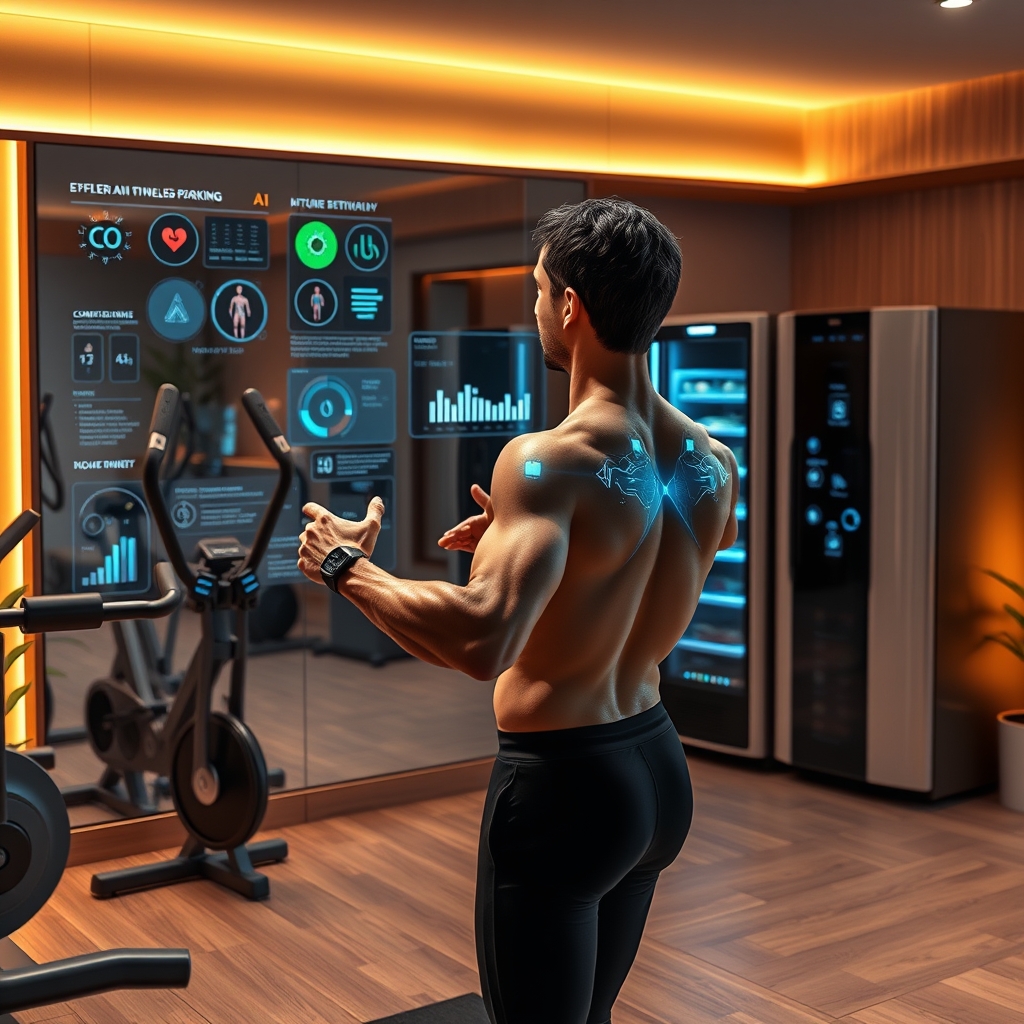
Imagine stepping into your home gym at 6 AM, where the lights adjust to your circadian rhythm, the temperature is set to optimize muscle activation, and your AI coach greets you by name—already knowing your sleep quality, hydration levels, and recovery status from last night’s session. This isn’t a scene from a sci-fi movie; it’s the new reality of fitness & gym culture in 2026, where personalized workout plans, smart home gym integration, and precision nutrition are no longer luxuries but expectations. The era of generic workout routines and one-size-fits-all meal plans is fading, replaced by hyper-specific body transformations tailored to your genetics, lifestyle, and even your mood.
The AI Revolution in Personalized Workout Plans
Gone are the days of flipping through fitness magazines or following a celebrity trainer’s generic program. Today, AI-driven platforms analyze your biomechanics, strength imbalances, and even your nervous system’s response to stress to craft a personalized workout that evolves with you. Wearable tech like smartwatches and EMG sensors feed real-time data into algorithms, adjusting your rep schemes, rest periods, and exercise selection on the fly. If your heart rate variability (HRV) suggests fatigue, the system might swap a heavy squat session for mobility work or active recovery.
This level of customization isn’t just about efficiency—it’s about results. Studies show that AI-optimized training can improve strength gains by up to 30% compared to traditional programs. And with smart home gym integration, your equipment communicates seamlessly with your AI coach. Resistance bands auto-adjust tension, mirrors display form corrections in real time, and even your yoga mat tracks pressure points to prevent injury. The gym is no longer a place you go; it’s a living, breathing ecosystem designed around you.
How AI Decodes Your Body’s Unique Needs
AI doesn’t just personalize workouts—it predicts them. By analyzing thousands of data points, from your genetic predispositions to your daily step count, these systems identify patterns humans might miss. For example, if you’re prone to shoulder injuries, the AI might prioritize rotator cuff stability exercises before you even feel discomfort. Or if your cortisol levels spike in the evenings, it could schedule high-intensity workouts for mornings when your energy is naturally higher.
The most advanced platforms even incorporate biohacking principles, like cold exposure or red light therapy, into your routine. Imagine finishing a workout and having your AI suggest a 3-minute cold plunge to reduce inflammation, followed by a protein shake with ingredients tailored to your gut microbiome. This isn’t just fitness; it’s a full-body optimization protocol.
Precision Nutrition: The AI Dieting Edge
If personalized workouts are the engine of your transformation, precision nutrition is the fuel. AI-powered dieting apps now go beyond calorie counting, using blood glucose monitors, metabolic testing, and even breath analysis to determine how your body processes different foods. A meal that spikes your friend’s energy might leave you sluggish—and your AI dietitian knows the difference.
These systems don’t just track macros; they adapt in real time. If you’re struggling to hit your protein goals, your AI might suggest a post-workout smoothie with pea protein (if you’re plant-based) or collagen peptides (if you’re focused on joint health). It can even sync with your smart fridge to suggest recipes based on what’s expiring soon, reducing food waste while keeping your diet on track. And with hyper-specific body transformation in mind, AI can simulate how your body will respond to different meal timings, fasting windows, or supplement stacks before you even try them.
The Science of Food as Medicine
Precision nutrition isn’t just about aesthetics—it’s about performance and longevity. AI can identify micronutrient deficiencies before they become problems, recommending foods or supplements to optimize everything from cognitive function to recovery. For example, if your magnesium levels are low, it might suggest dark leafy greens or a specific supplement dosage to improve sleep and muscle repair. Or if you’re training for endurance, it could adjust your carb intake to match your glycogen depletion rates.
The future of dieting is proactive, not reactive. Instead of waiting for fatigue or digestive issues to derail your progress, AI anticipates these challenges and adjusts your plan accordingly. It’s like having a nutritionist, chef, and biochemist rolled into one—available 24/7.
Recovery Tech and Biohacking: The Missing Link in Fitness
For years, fitness culture glorified “pushing through the pain,” but 2026’s approach is smarter. Recovery tech and biohacking are now integral to any serious transformation plan, with AI-driven tools ensuring you’re not just training hard but recovering harder. Wearable recovery trackers monitor muscle soreness, nerve function, and even brain fog, adjusting your next workout’s intensity or suggesting active recovery sessions like yoga or swimming.
Biohacking takes this a step further. From red light therapy panels that accelerate muscle repair to PEMF (Pulsed Electromagnetic Field) mats that reduce inflammation, these tools are no longer confined to elite athletes. Smart home gyms now come equipped with recovery pods that combine compression therapy, infrared heat, and vibration to flush out lactic acid and improve circulation. And with AI integration, these devices can be programmed to target specific areas—like your quads after a heavy leg day or your shoulders after a CrossFit session.
Sleep, Stress, and the Art of Optimization
Recovery isn’t just about what you do post-workout; it’s about how you live. AI-powered sleep trackers now analyze your REM cycles, room temperature, and even ambient noise to optimize your rest. If you’re consistently waking up at 3 AM, your AI might suggest adjusting your dinner timing or reducing blue light exposure in the evenings. Stress management is equally critical, with AI coaches recommending breathwork, meditation, or even adaptogenic supplements based on your cortisol levels.
The goal? To create a holistic system where every aspect of your life—training, nutrition, recovery, and stress—works in harmony. This is the essence of hyper-specific body transformation: a plan so tailored to you that it feels less like a routine and more like a natural extension of your biology.
The Future Is Already Here: How to Get Started Today
You don’t need to wait for 2026 to experience the future of fitness. Many of these technologies are already available, and integrating them into your routine is easier than you think. Start with a wearable device to track your sleep and recovery, then layer in an AI-powered workout app that adapts to your progress. For nutrition, experiment with a precision dieting platform that syncs with your smart kitchen appliances. And don’t overlook recovery—even simple biohacks like cold showers or foam rolling can make a difference when guided by data.
The key is to embrace the shift from generic to personalized. The days of following a cookie-cutter plan are over; the future belongs to those who leverage technology to create a fitness journey as unique as their DNA. Whether your goal is to build muscle, lose fat, or simply feel your best, AI, smart home gyms, and precision nutrition are the tools that will get you there—faster, smarter, and with fewer setbacks. The question isn’t whether you’ll adapt to this new era of fitness; it’s how soon you’ll start.
