Beyond One-Size-Fits-All: How AI, Smart Home Gyms, and Biohacking Are Crafting Your Perfect Physique in 2026
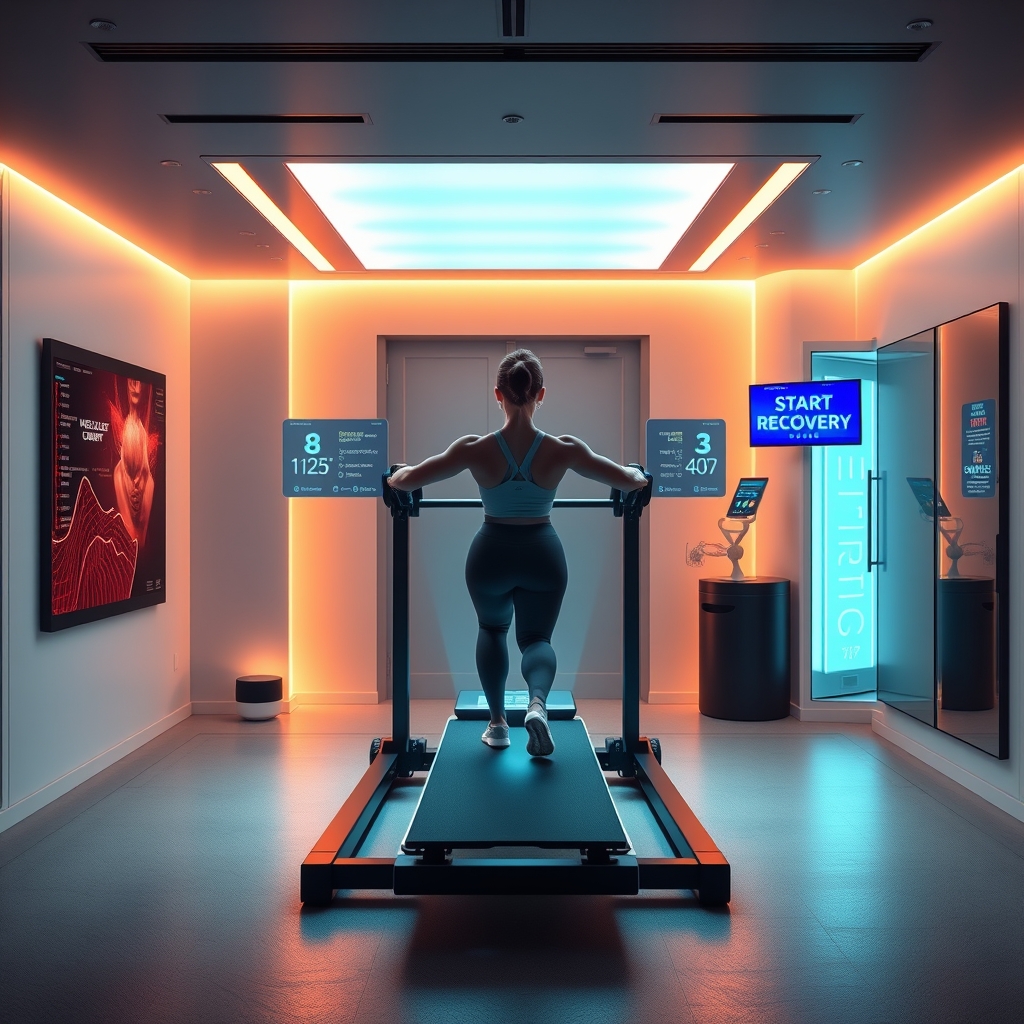
Imagine stepping into your home gym at 6 AM, where the lights adjust to your circadian rhythm, the temperature is set to optimize muscle recovery, and your AI coach greets you by name—already knowing your sleep quality, stress levels, and yesterday’s workout performance. This isn’t a scene from a sci-fi movie; it’s the reality of fitness & gym culture in 2026, where personalized workout plans, smart home gym integration, and precision nutrition are no longer luxuries but expectations. The era of generic fitness advice is over. Today, technology is sculpting hyper-specific body transformations tailored to your DNA, lifestyle, and even your mood.
The Rise of AI-Powered Personalized Workouts
Gone are the days of flipping through fitness magazines or following a celebrity trainer’s one-size-fits-all routine. AI is now the ultimate personal trainer, analyzing thousands of data points—from your heart rate variability to your muscle fatigue—to craft a personalized workout that evolves with you. Platforms like Future and Freeletics use machine learning to adjust your training in real time, ensuring you’re never plateauing or overtraining.
But it’s not just about the workouts. Wearables like WHOOP and Oura Ring track your recovery metrics, while AI algorithms predict the best time for you to push hard or take a rest day. This level of customization means no two workouts are the same, and every rep is optimized for your body’s unique needs. The result? Faster progress, fewer injuries, and a fitness journey that actually fits into your life—not the other way around.
How Smart Home Gyms Are Redefining Convenience
The pandemic accelerated the shift toward home workouts, but 2026 has taken it to another level with smart home gym integration. Brands like Tonal, Mirror, and Peloton have transformed living rooms into high-tech fitness hubs, complete with AI-powered resistance training, real-time form correction, and immersive classes that adapt to your skill level.
What’s truly game-changing is the seamless connectivity. Your smart gym syncs with your calendar, suggesting workouts based on your schedule, or adjusts the difficulty if it detects you’re low on energy. Some systems even integrate with your smart fridge, nudging you toward post-workout nutrition based on your macros. It’s not just about working out at home—it’s about creating a fitness ecosystem that works for you, 24/7.
Precision Nutrition: AI’s Role in Dieting for Your DNA
If you’ve ever felt frustrated by generic meal plans that ignore your metabolism, food preferences, or allergies, precision nutrition & AI dieting is here to change that. Companies like Nutrino and Viome use AI to analyze your gut microbiome, blood sugar responses, and even genetic markers to create a diet plan that’s as unique as your fingerprint.
Imagine receiving real-time feedback on your meals, with AI suggesting tweaks to optimize energy levels or fat loss. Some apps now integrate with smart scales and continuous glucose monitors, adjusting your macros on the fly based on how your body responds. This isn’t just about counting calories—it’s about fueling your body in a way that aligns with your goals, whether that’s building muscle, improving endurance, or simply feeling your best.
The Biohacking Revolution: Recovery Tech for Peak Performance
Fitness isn’t just about what you do in the gym—it’s about how well you recover. Enter recovery tech & biohacking, where innovations like cryotherapy, red light therapy, and AI-driven sleep optimization are becoming mainstream. Devices like Theragun and Hyperice use percussive therapy to speed up muscle recovery, while AI-powered sleep trackers like Eight Sleep adjust your bed’s temperature to enhance deep sleep.
But biohacking goes beyond gadgets. Some fitness enthusiasts are experimenting with nootropics, cold plunges, and even genetic testing to fine-tune their recovery strategies. The goal? To push the limits of human performance without burning out. In 2026, recovery isn’t an afterthought—it’s a science.
Hyper-Specific Body Transformations: The Future of Fitness
The ultimate promise of this tech-driven fitness revolution is hyper-specific body transformation. No more vague goals like “get fit” or “lose weight.” Instead, AI and smart tech allow you to target precise outcomes—whether that’s sculpting a marathon-ready physique, building explosive strength for a sport, or even reversing age-related muscle loss.
Take, for example, a runner training for a marathon. AI can design a program that balances endurance runs with strength training to prevent injuries, while precision nutrition ensures they’re fueling for optimal performance. Or consider someone recovering from an injury—smart gyms can adjust resistance levels to avoid strain, while recovery tech accelerates healing. This level of specificity was once reserved for elite athletes, but now it’s accessible to anyone with a smartphone and a smart home gym.
As we move deeper into 2026, the line between fitness and technology continues to blur. The tools that once seemed futuristic are now at our fingertips, making it easier than ever to achieve a body that’s not just strong, but perfectly aligned with your lifestyle and goals. The question isn’t whether you can transform your physique—it’s how far you’re willing to let technology take you. And with AI, smart gyms, and precision nutrition leading the charge, the possibilities are limitless. The only limit is your ambition.
