Beyond Generic Workouts: How AI, Smart Home Gyms, and Biohacking Are Crafting Your Perfect Physique in 2026
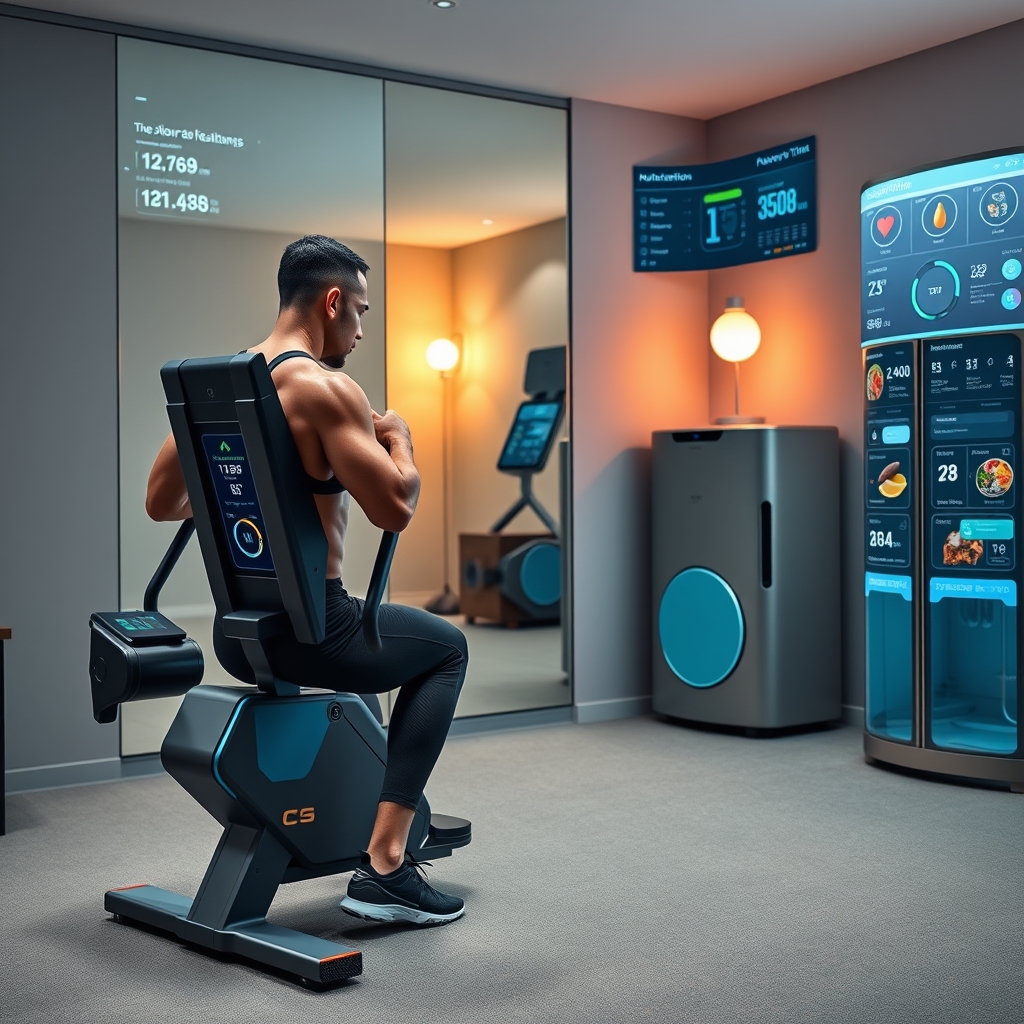
Imagine stepping into your home gym at 6 AM, where the lights adjust to your circadian rhythm, the temperature is optimized for performance, and your AI coach greets you by name—already knowing your sleep quality, stress levels, and muscle recovery status from last night’s session. This isn’t a scene from a sci-fi movie; it’s the reality of fitness & gym culture in 2026, where personalized workout plans, smart home gym integration, and precision nutrition are no longer luxuries but expectations. The days of one-size-fits-all fitness routines are fading, replaced by hyper-specific body transformations tailored to your genetics, lifestyle, and even your mood.
The Rise of AI-Powered Personalization in Fitness
Gone are the days of flipping through generic workout guides or guessing which exercises will yield results. AI has infiltrated the fitness industry, turning every rep, set, and meal into a data point that refines your journey. Machine learning algorithms analyze your performance in real-time, adjusting resistance, tempo, and even form suggestions to maximize efficiency. For example, if your smart home gym detects fatigue in your hamstrings during squats, it might auto-adjust the weight or suggest a recovery-focused alternative.
This level of personalization extends beyond the gym. Wearables and smart mirrors track micro-movements, heart rate variability, and even cortisol levels to predict overtraining before it happens. The result? A workout plan that evolves with you, eliminating plateaus and reducing injury risk. It’s not just about working harder—it’s about working smarter, with every variable accounted for.
How Smart Home Gyms Are Redefining Convenience
The traditional gym model is being disrupted by smart home gym integration, where cutting-edge equipment syncs seamlessly with your digital ecosystem. Picture a compact, AI-driven resistance trainer that mimics the feel of free weights, cables, or even battle ropes—all while occupying the space of a yoga mat. These systems learn your preferences, suggesting workouts based on your schedule, energy levels, and goals, whether it’s hypertrophy, endurance, or mobility.
But the real game-changer is the elimination of guesswork. Smart home gyms integrate with nutrition apps, sleep trackers, and even your calendar to create a holistic fitness plan. Missed a workout? Your AI coach will adjust the next session to compensate. Had a stressful day? It might swap high-intensity intervals for a recovery-focused yoga flow. The goal is to make fitness effortless, removing barriers like commute time or intimidating gym environments.
Precision Nutrition: The AI Dieting Revolution
What if your meals were as precisely calibrated as your workouts? Precision nutrition & AI dieting are making this a reality, using biomarkers, genetic testing, and real-time metabolic data to craft diets that optimize performance and body composition. No more generic meal plans—just hyper-specific macros, micronutrients, and timing strategies tailored to your body’s unique needs.
AI-powered apps like Nutrino or PlateJoy analyze your blood glucose responses, gut microbiome, and even how your body processes caffeine to recommend foods that fuel your goals. For instance, if your AI detects a post-workout insulin spike, it might suggest a protein-carb ratio that enhances recovery without unnecessary fat storage. This level of detail extends to meal prep, with smart kitchen appliances like AI-powered sous vide machines or connected blenders adjusting recipes based on your dietary needs.
Biohacking and Recovery Tech: The Secret Weapons
Transformation isn’t just about what you do in the gym—it’s about how well you recover. Recovery tech & biohacking are now integral to fitness, with tools like cryotherapy chambers, red light therapy panels, and pneumatic compression boots becoming mainstream. But the real innovation lies in AI-driven recovery optimization. Wearables like WHOOP or Oura Ring track your readiness score, suggesting when to push hard and when to prioritize rest.
Biohacking takes this a step further, using techniques like cold plunges, breathwork, and even nootropics to enhance performance. AI integrates these practices into your routine, syncing them with your workout and nutrition plans. For example, if your smart scale detects water retention, your AI might recommend an infrared sauna session to flush out toxins. The result? Faster recovery, reduced inflammation, and a body that’s always primed for progress.
Hyper-Specific Body Transformations: The New Standard
The era of vague fitness goals like “get in shape” is over. Today, hyper-specific body transformations are the norm, with AI enabling goals like “increase my deadlift by 20% in 12 weeks while improving my 5K time” or “reduce my body fat by 3% without losing muscle mass.” These goals are broken down into micro-cycles, with every variable—from sleep to supplementation—optimized for success.
Take the case of a busy professional aiming for a beach-ready physique. Their AI coach might design a 90-day plan that includes:
- Morning fasted cardio (adjusted for fat oxidation efficiency)
- Evening strength sessions (synced with their circadian rhythm)
- Precision nutrition (timed around their work schedule)
- Recovery protocols (like PEMF therapy for deep sleep)
The beauty of this approach is its adaptability. If life gets in the way—say, a late-night work call—your AI coach recalibrates, ensuring you stay on track without burnout. It’s fitness without the friction, where every detail is accounted for.
What’s Next for Fitness in 2026 and Beyond?
The future of fitness isn’t just about technology—it’s about integration. The lines between workouts, nutrition, and recovery are blurring, creating a seamless ecosystem where every aspect of your health is interconnected. AI isn’t replacing human coaches; it’s augmenting them, providing insights that were once impossible to gather. Smart home gyms aren’t just convenient; they’re becoming the default for those who refuse to compromise on results.
As these tools become more accessible, the barrier to entry for elite-level fitness is lowering. You no longer need a personal trainer, a nutritionist, and a recovery specialist to achieve your goals. All you need is a willingness to embrace the data, trust the process, and let AI guide you toward a version of yourself you once thought was out of reach. The question isn’t whether you can transform your body—it’s how far you’re willing to let technology take you.
