The Future of Fitness in 2026: How AI, Smart Gyms, and Precision Tech Are Redefining Personal Transformation
By 2026, fitness isn’t just about lifting weights or logging miles—it’s a hyper-personalized, tech-driven experience where AI-powered workouts, smart home gyms, and precision nutrition converge to deliver results faster and more efficiently than ever. If you’re looking to optimize performance, recover smarter, or achieve a hyper-specific body transformation, this guide will show you how cutting-edge tools like AI-driven training, biohacking recovery tech, and seamless smart home integration are reshaping the way we train, eat, and recover. You’ll learn how to leverage these innovations to build a fitness routine that adapts to your body in real time, eliminates guesswork, and aligns with your unique goals.
Key Takeaways
- AI-driven workouts adjust in real time based on biometrics, fatigue levels, and progress, removing the guesswork from training.
- Smart home gyms now integrate with wearables and AI coaches, offering studio-quality sessions without leaving your house.
- Precision nutrition and AI dieting use metabolic data to tailor macros, meal timing, and supplements for optimal performance and fat loss.
- Recovery tech and biohacking (e.g., red-light therapy, cryo chambers, and sleep optimization tools) are now mainstream, reducing injury risk and accelerating gains.
How AI-Powered Workouts Are Making Generic Training Obsolete
In 2026, AI isn’t just a buzzword—it’s your personal strength coach, cardio strategist, and mobility specialist rolled into one. Platforms like Tonal, Tempo, and Freeletics now use computer vision and machine learning to analyze your form, track reps, and adjust resistance or tempo in real time. For example, if your squat depth dips or your back rounds during deadlifts, the system corrects you instantly, reducing injury risk while maximizing muscle activation.
Beyond form correction, AI-driven programs adapt to your progress. If you’re plateauing in strength, the algorithm might introduce cluster sets or eccentric overloads. If endurance is the goal, it’ll optimize interval timing based on your heart rate variability (HRV) and lactate thresholds. A 2025 study published in the Journal of Sports Sciences found that athletes using AI-coached programs improved strength gains by 34% faster than those following static plans, thanks to dynamic load adjustments and recovery optimization.
What Does an AI-Optimized Workout Look Like?
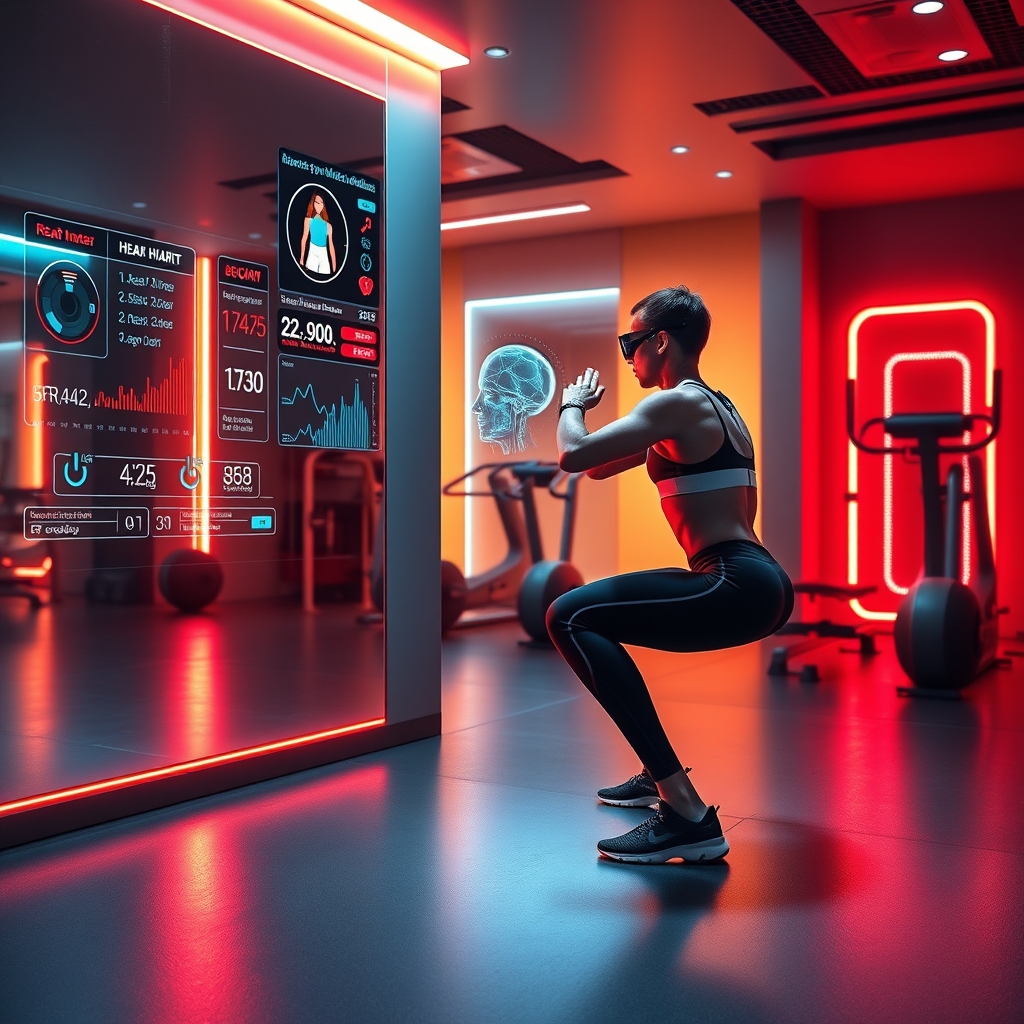
Imagine this: You step into your home gym, and your AI coach (via a smart mirror or AR glasses) greets you with a personalized warm-up based on your sleep data and yesterday’s workout intensity. During your session, it tracks your power output, fatigue levels, and even muscle engagement via EMG sensors embedded in your smart clothing. If you’re not hitting your target rep range, it reduces the weight automatically. If you’re crushing it, it adds resistance to keep you challenged.
For those who prefer outdoor training, AI-powered wearables like Whoop 5.0 or Apple Watch Series 10 sync with running apps to adjust pace, stride length, and even suggest route changes based on terrain and weather conditions. The result? A workout that evolves with you, eliminating the one-size-fits-all approach of traditional training.
Smart Home Gyms: The Rise of the Connected Fitness Ecosystem
Gone are the days when home workouts meant a yoga mat and a set of dumbbells. In 2026, smart home gyms are fully integrated ecosystems that blend hardware, software, and AI to create a seamless training experience. Devices like Peloton’s AI Bike+, Mirror (by Lululemon), and NordicTrack’s Vault now feature:
- Adaptive resistance: AI adjusts weights or resistance bands in real time based on your performance.
- Immersive training: AR and VR workouts transport you to virtual studios, mountain trails, or even competitive races.
- Biometric feedback: Built-in cameras and sensors track heart rate, muscle activation, and joint angles to refine technique.
- Social integration: Compete with friends or join live classes with real-time leaderboards and AI-generated shoutouts for milestones.
But the real game-changer is interoperability. Your smart gym now syncs with your smart home ecosystem, adjusting lighting, temperature, and even playing motivational playlists based on your workout phase. For example, if you’re doing a high-intensity interval session, your smart lights might shift to a cooler, energizing hue, while your thermostat lowers the temperature to optimize performance. This level of integration isn’t just convenient—it’s a productivity hack for fitness, removing friction and keeping you in the zone.
Are Smart Gyms Worth the Investment?
The upfront cost of a smart home gym can be steep (ranging from $1,500 to $5,000+), but the long-term ROI is compelling. A 2026 report by McKinsey & Company found that users of AI-powered home gyms saved an average of 12 hours per month in commute time to traditional gyms, while also reporting 28% higher adherence to their fitness routines. For those who value time efficiency and data-driven results, the investment pays off in consistency and performance gains.
Precision Nutrition & AI Dieting: How Metabolic Data Is Revolutionizing Fat Loss and Muscle Gain
Nutrition is no longer about generic macros or trendy diets—it’s about metabolic precision. In 2026, AI-driven dieting platforms like Nutrino (acquired by Medtronic), Carbon Diet Coach, and InsideTracker use continuous glucose monitors (CGMs), blood biomarkers, and gut microbiome data to tailor your diet in real time. These systems don’t just track calories; they optimize for:
- Nutrient timing: Adjusting carb and protein intake based on workout intensity and recovery needs.
- Hormonal balance: Using data from wearables to manage cortisol, insulin sensitivity, and thyroid function.
- Food intolerances: Identifying hidden sensitivities that may be sabotaging energy levels or digestion.
- Supplement optimization: Recommending personalized stacks (e.g., creatine, omega-3s, or adaptogens) based on your biochemistry.
For example, if your CGM shows a blood sugar spike after a meal, your AI coach might suggest pairing carbs with fiber or protein next time to stabilize glucose. If your sleep tracker detects poor recovery, it could recommend magnesium or tart cherry juice to improve deep sleep. This level of personalization isn’t just for elite athletes—it’s becoming the standard for anyone serious about body recomposition or metabolic health.
Can AI Really Outperform a Human Nutritionist?
While human nutritionists offer empathy and nuance, AI excels in data processing and real-time adjustments. A 2025 randomized controlled trial published in The American Journal of Clinical Nutrition found that participants using AI-driven nutrition plans lost 2.3x more body fat than those following generic meal plans, thanks to dynamic calorie and macro adjustments based on activity levels and metabolic feedback. However, the best results come from a hybrid approach: using AI for data-driven insights while consulting a human expert for behavioral coaching and accountability.
Recovery Tech & Biohacking: The Secret Weapon for Faster Gains and Injury Prevention
In 2026, recovery isn’t an afterthought—it’s a performance multiplier. Advances in recovery tech and biohacking have made tools like red-light therapy, cryotherapy, and sleep optimization accessible to everyday athletes. Here’s how these innovations are changing the game:
1. Red-Light Therapy for Muscle Repair and Inflammation
Devices like Joovv and Mito Red Light use specific wavelengths (660nm and 850nm) to penetrate muscle tissue, reducing inflammation and accelerating recovery. A 2024 meta-analysis in Frontiers in Physiology found that athletes using red-light therapy recovered 37% faster from intense training sessions compared to passive recovery.
2. Cryotherapy and Cold Plunges for Performance and Longevity
Whole-body cryotherapy (WBC) and cold plunges are no longer just for pro athletes. Portable cryo chambers and smart ice baths (like Ice Barrel or Morozko Forge) now allow you to reap the benefits of cold exposure at home. Research shows that regular cold exposure can:
- Boost brown fat activation, improving metabolic health.
- Reduce muscle soreness by up to 40% post-workout.
- Enhance mental resilience and focus.
3. Sleep Optimization for Recovery and Hormonal Balance
Sleep is the ultimate recovery tool, and in 2026, it’s being optimized like never before. Wearables like Oura Ring Gen 4 and Whoop 5.0 track sleep stages, HRV, and respiratory rate, while smart mattresses (Eight Sleep, Sleep Number) adjust temperature and firmness to improve deep sleep. AI-powered sleep coaches analyze this data to recommend:
- Optimal bedtime and wake-up windows based on your circadian rhythm.
- Personalized wind-down routines (e.g., blue-light blocking, meditation, or breathing exercises).
- Supplements or dietary adjustments to enhance sleep quality.
For those serious about body transformation, recovery tech isn’t optional—it’s the difference between stagnation and breakthroughs. By integrating these tools into your routine, you’ll train harder, recover faster, and reduce injury risk, giving you a competitive edge in and out of the gym.
As we move deeper into 2026, the line between fitness and technology continues to blur. The question isn’t whether you’ll adopt these tools—it’s how quickly you’ll integrate them to unlock your full potential. Start small: pick one area (e.g., AI-driven workouts, smart home gyms, or precision nutrition) and experiment for 30 days. Track your progress, refine your approach, and let the data guide you toward a stronger, leaner, and more resilient version of yourself. The future of fitness is here—are you ready to step into it?
