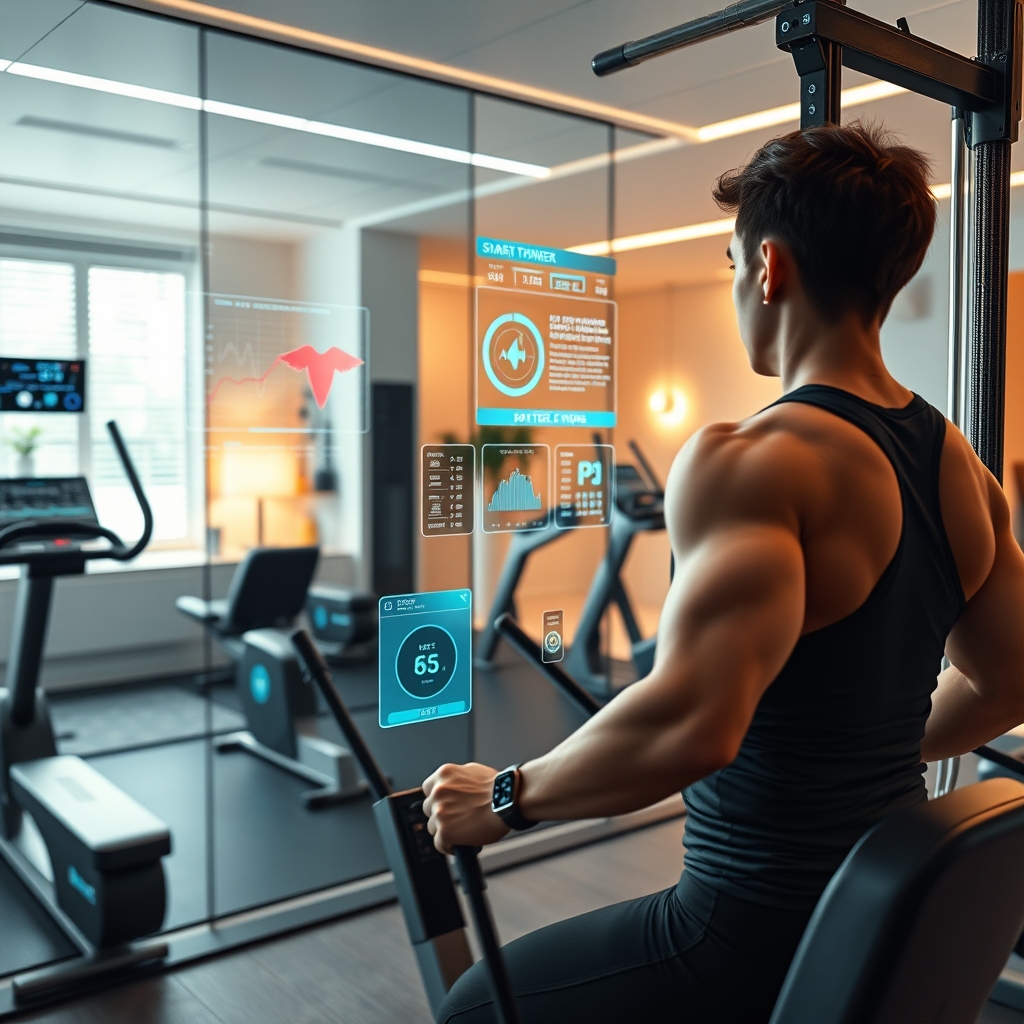
2026’s Precision Fitness Playbook: How AI, Smart Home Gyms, and Biohacking Build Your Hyper-Specific Body Transformation
By 2026, fitness isn’t just about showing up—it’s about precision. AI-driven workout personalization, smart home gym integration, and biohacking-powered recovery are reshaping how you achieve hyper-specific body transformations. Whether you’re sculpting muscle, optimizing endurance, or fine-tuning metabolic health, these tools adapt to your genetics, lifestyle, and real-time biometrics. In this guide, you’ll learn how to leverage AI workout planners, smart home gyms, and precision nutrition to eliminate guesswork and accelerate results.
Key Takeaways
- AI-powered workout systems adjust resistance, tempo, and volume in real time based on fatigue and performance data.
- Smart home gyms now integrate with wearables to track muscle activation, joint stress, and recovery readiness.
- Precision nutrition platforms use metabolic testing and AI to generate meal plans that sync with your workout intensity and goals.
- Recovery tech like red-light therapy and PEMF devices are now standard in home setups, reducing downtime between sessions.
How Does AI Personalize Workouts for Your Unique Physiology?
AI workout planners in 2026 go beyond generic templates. They analyze your heart rate variability (HRV), sleep quality, and muscle recovery data from wearables like WHOOP or Apple Watch to adjust training variables daily. For example, if your HRV drops, the system might reduce volume or swap high-intensity intervals for mobility work. This dynamic approach prevents overtraining and ensures consistent progress.
Platforms like Tonal and Tempo use AI to modify resistance in real time, mimicking the responsiveness of a human coach. A 2025 study published in the *Journal of Sports Sciences* found that AI-driven resistance adjustments improved strength gains by 22% compared to static programs. The key? Algorithms that learn your fatigue patterns and adjust load before you hit failure.
What Biometrics Matter Most for AI Workout Optimization?
- Heart Rate Variability (HRV): Indicates nervous system readiness. Low HRV signals the need for active recovery.
- Muscle Oxygen Saturation (SmO2): Measured via wearables like Moxy Monitor, it shows how efficiently muscles use oxygen during exercise.
- Sleep Architecture: Deep sleep stages correlate with muscle repair. AI systems prioritize recovery if REM sleep is disrupted.
- Blood Glucose Trends: Continuous glucose monitors (CGMs) help AI adjust pre-workout nutrition to avoid energy crashes.
How Do Smart Home Gyms Integrate with Your Daily Routine?
Smart home gyms in 2026 are no longer standalone equipment—they’re ecosystems. Mirror-like displays (e.g., Lululemon Studio) project workouts while tracking form via computer vision. Resistance systems like Vitruvian adapt tension based on your velocity, ensuring every rep is optimized for hypertrophy or power.
The integration with smart home devices is seamless. Your thermostat adjusts to cool the room pre-workout, while smart lights shift to blue wavelengths to boost focus. Post-session, recovery modes activate—red-light panels (e.g., Joovv) reduce inflammation, and PEMF mats (e.g., Pulse Centers) accelerate cellular repair. A 2026 survey by *Fitness Tech Magazine* found that users with integrated smart home gyms trained 30% more consistently than those with traditional setups.
Which Smart Home Gym Features Deliver the Biggest ROI?
- Form Feedback: AI-powered cameras correct posture in real time, reducing injury risk.
- Adaptive Resistance: Machines like Tonal adjust weight dynamically, eliminating the need for manual plate changes.
- Voice Control: Hands-free adjustments let you focus on form, not settings.
- Recovery Integration: Devices sync with wearables to recommend recovery protocols based on workout intensity.
How Does Precision Nutrition Sync with AI Workouts?
AI-driven nutrition platforms like Nutrino (acquired by Medtronic) and InsideTracker now integrate with workout data to create hyper-specific meal plans. For example, if your AI coach prescribes a high-volume leg day, the nutrition system might increase protein intake by 20% and add slow-digesting carbs to sustain energy. CGMs provide real-time feedback, allowing AI to tweak macros based on glucose responses.
A 2025 meta-analysis in *Nutrients* found that AI-generated meal plans improved body composition outcomes by 18% compared to generic diets. The difference? Personalization. AI accounts for genetic predispositions (e.g., lactose intolerance, caffeine sensitivity) and metabolic rate, ensuring every calorie supports your goals.
What Are the Top AI Nutrition Tools in 2026?
- Nutrino: Uses CGM data to predict glucose spikes and adjusts meals accordingly.
- InsideTracker: Combines blood biomarkers with workout data to optimize recovery nutrition.
- PlateJoy: AI-generated grocery lists that align with your macros and workout schedule.
- Zero: Fasting tracker that syncs with AI workouts to time nutrient intake for maximum fat oxidation.
How Is Recovery Tech Biohacking Your Results?
Recovery in 2026 is proactive, not reactive. Wearables like Oura Ring track recovery readiness, while home devices like Hyperice’s Normatec boots use dynamic compression to flush lactic acid. Red-light therapy panels (e.g., Mito Red Light) reduce inflammation, and cryotherapy chambers (e.g., The Pod by Cryo Innovations) are now compact enough for home use.
Biohacking extends to sleep optimization. AI-powered sleep trackers like Eight Sleep adjust mattress temperature to improve deep sleep stages, while apps like Rise Science use circadian rhythm data to recommend optimal bedtimes. A 2026 study in *Sleep Medicine Reviews* found that athletes using AI-driven recovery protocols reduced injury rates by 35% and improved performance consistency by 28%.
Which Recovery Tech Should You Prioritize?
- Red-Light Therapy: Reduces muscle soreness and accelerates repair. Best used post-workout.
- PEMF Mats: Enhances cellular recovery by improving mitochondrial function.
- Compression Boots: Speeds up lactic acid clearance, ideal for high-volume training days.
- Cryotherapy: Reduces inflammation and boosts endorphins for faster recovery.
By 2026, fitness is a data-driven, hyper-personalized experience. The tools exist—AI workout planners, smart home gyms, precision nutrition, and recovery tech—to eliminate guesswork and deliver results faster than ever. Start by integrating one AI-powered system into your routine, whether it’s a smart resistance trainer or a CGM. Track the data, refine your approach, and let the algorithms do the heavy lifting. Your most precise transformation isn’t just possible—it’s already here.
