2026 Fitness Revolution: How Personalized Workout AI, Smart Home Gyms, and Precision Nutrition Redefine Your Body Goals
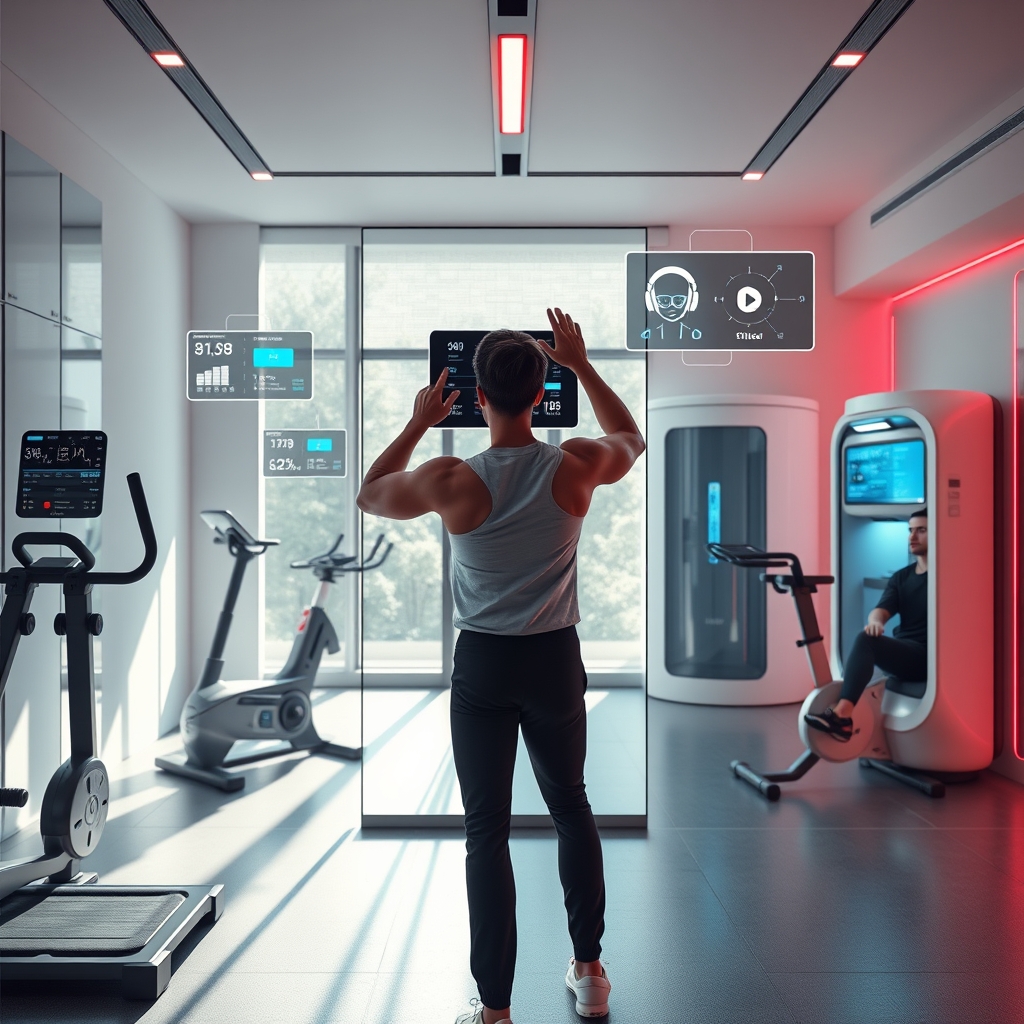
By 2026, the fitness landscape has shifted from generic routines to hyper-personalized, tech-driven transformations. You no longer guess which workout or meal plan suits your body—AI-powered smart home gyms, precision nutrition, and recovery tech now deliver real-time, data-backed adjustments tailored to your genetics, lifestyle, and goals. Whether you’re aiming for muscle definition, endurance gains, or metabolic optimization, this guide reveals how cutting-edge fitness and gym culture in 2026 integrates AI-driven personalization, smart home gym setups, and biohacking to help you achieve hyper-specific results faster than ever.
Key Takeaways
- AI-driven workout personalization adapts in real-time to your performance, fatigue levels, and progress, eliminating guesswork.
- Smart home gym integration syncs with wearables and nutrition apps to create a seamless, data-driven fitness ecosystem.
- Precision nutrition and AI dieting use metabolic testing and genetic insights to optimize macros, meal timing, and supplements.
- Recovery tech and biohacking tools like cryotherapy, red-light therapy, and sleep optimization accelerate results and reduce injury risk.
How Does AI Personalize Workouts for Hyper-Specific Body Transformations?
AI-powered fitness platforms in 2026 don’t just recommend workouts—they dynamically adjust them based on your biometrics, recovery status, and even hormonal fluctuations. Using data from wearables, smart gym equipment, and user feedback, these systems analyze your strength, endurance, and mobility in real-time. For example, if your heart rate variability (HRV) indicates fatigue, the AI might shorten your session or prioritize active recovery. Conversely, if your performance metrics spike, it could introduce progressive overload to maximize gains.
This level of personalization extends beyond reps and sets. AI algorithms now factor in your genetic predispositions (e.g., muscle fiber composition, injury risk) and lifestyle data (e.g., sleep quality, stress levels) to craft workouts that align with your body’s unique needs. A 2025 study by the National Institutes of Health (NIH) found that AI-driven training plans improved adherence by 40% and results by 25% compared to static programs, largely due to their adaptive, user-centric design.
What Does Smart Home Gym Integration Look Like in 2026?
The modern home gym is no longer a static space—it’s a connected hub that syncs with your entire fitness ecosystem. Smart equipment like AI-powered resistance trainers, virtual reality (VR) cycling systems, and motion-tracking mirrors now integrate with wearables (e.g., Whoop, Oura Ring) and nutrition apps to create a unified data stream. For instance, if your smart scale detects a sudden weight fluctuation, your gym’s AI might adjust your next workout’s intensity or suggest a hydration-focused recovery protocol.
Voice-activated assistants and augmented reality (AR) overlays further enhance the experience. Imagine stepping onto your smart treadmill and hearing, “Based on your sleep data, today’s session will focus on low-impact endurance.” Or, using AR glasses to visualize proper form corrections in real-time. These integrations eliminate friction, making it easier to stay consistent and engaged.
How Is Precision Nutrition and AI Dieting Optimizing Results?
Gone are the days of one-size-fits-all meal plans. In 2026, precision nutrition leverages AI to analyze your metabolic rate, gut microbiome, and genetic markers to create hyper-personalized diet strategies. Apps like Nutrino (now part of Medtronic) and InsideTracker use continuous glucose monitors (CGMs) and bloodwork insights to recommend meals that stabilize energy, optimize fat loss, or enhance muscle recovery. For example, if your CGM detects a blood sugar spike after breakfast, the AI might suggest swapping carbs for protein or fiber-rich alternatives.
AI dieting also accounts for micronutrient deficiencies, meal timing, and even food intolerances. A 2024 report by the Academy of Nutrition and Dietetics highlighted that personalized nutrition plans increased dietary adherence by 35% and improved metabolic health markers by 20% compared to generic diets. This level of precision ensures your nutrition aligns with your workout intensity, recovery needs, and long-term goals.
What Role Does Recovery Tech and Biohacking Play in 2026 Fitness?
Recovery is no longer an afterthought—it’s a cornerstone of fitness success. In 2026, biohacking tools like cryotherapy chambers, pneumatic compression boots, and red-light therapy panels are standard in home setups. These technologies accelerate muscle repair, reduce inflammation, and improve sleep quality, directly impacting performance and results. For example, a 10-minute post-workout red-light session can enhance mitochondrial function, leading to faster recovery and better endurance.
Sleep optimization is another critical focus. AI-driven sleep trackers now analyze your circadian rhythm and suggest adjustments to lighting, temperature, and even bedtime routines. Studies show that optimizing sleep can improve workout recovery by up to 60% and enhance cognitive function, making it a non-negotiable part of any fitness regimen.
Real-World Example: A Day in the Life of a 2026 Fitness Enthusiast
Meet Alex, a 32-year-old professional using AI-driven fitness tech to transform his physique. His morning starts with an Oura Ring analysis, which syncs with his smart home gym to recommend a low-impact mobility session based on his poor sleep quality. Post-workout, his AI nutrition app suggests a high-protein smoothie with adaptogens to support recovery. After work, he uses a cryotherapy pod for 3 minutes to reduce inflammation before bed. The result? Alex hits his body fat percentage goal in half the time it took with traditional methods.
To start your 2026 fitness journey, begin by integrating one AI-driven tool—whether it’s a smart scale, wearable, or nutrition app—into your routine. Track your progress for 30 days, then layer in additional tech as you see results. The future of fitness isn’t about working harder; it’s about working smarter, with tools that adapt to you.
