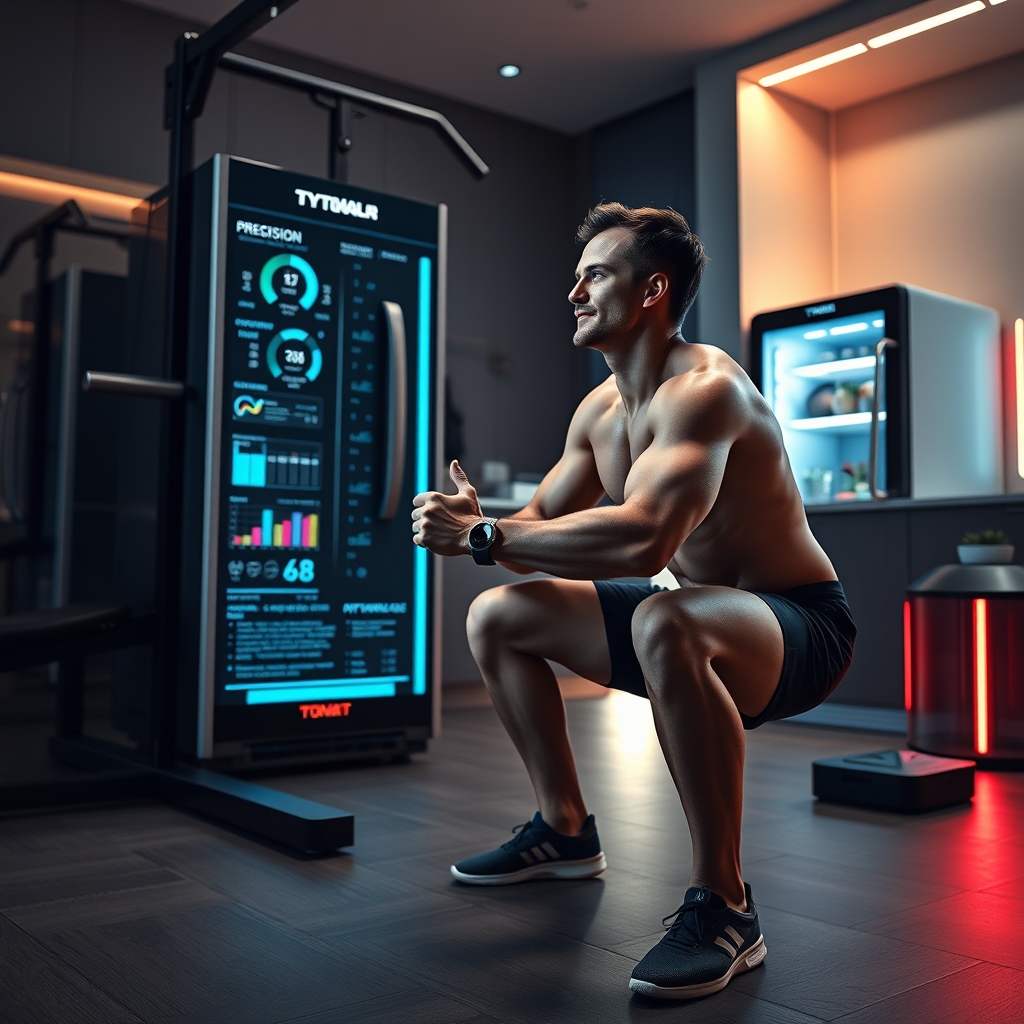
How AI, Smart Home Gyms, and Precision Tech Are Crafting Your 2026 Body Transformation Blueprint
By 2026, fitness isn’t just about showing up—it’s about precision. If you’re looking to transform your body with hyper-specific results, you’ll need more than generic workout plans or one-size-fits-all diets. AI-powered smart home gyms, precision nutrition, and recovery tech are now working together to create a seamless, data-driven approach to fitness. In this guide, you’ll learn how to integrate these tools into your routine, optimize every rep and meal, and achieve transformations tailored to your genetics, lifestyle, and goals—without stepping into a crowded gym.
Key Takeaways
- AI-driven smart home gyms adapt workouts in real-time based on your performance, fatigue levels, and progress.
- Precision nutrition platforms use AI to analyze metabolic data and craft meal plans that align with your fitness objectives.
- Recovery tech, like wearable biofeedback devices, helps prevent overtraining and accelerates muscle repair.
- Hyper-specific body transformations are now achievable at home by combining AI, smart equipment, and personalized data.
How Does AI Personalize Workouts in a Smart Home Gym?
Smart home gyms in 2026 don’t just track reps—they analyze them. Using computer vision and motion sensors, AI systems like Tonal, Mirror, and Peloton’s next-gen equipment assess your form, strength imbalances, and fatigue in real-time. If your squat depth isn’t optimal, the system adjusts resistance or suggests corrections. Over time, these platforms learn your recovery patterns, ensuring you’re not overtraining or undertraining.
For example, if your heart rate variability (HRV) drops—a sign of fatigue—your AI coach might swap a high-intensity session for active recovery. This level of personalization was once reserved for elite athletes but is now accessible in home setups. The result? Fewer injuries, faster progress, and workouts that evolve with you.
What Role Does Precision Nutrition Play in AI-Driven Fitness?
Gone are the days of guessing macros. AI-powered nutrition platforms like Nutrino (acquired by Medtronic) and InsideTracker now integrate with wearable devices to track glucose levels, metabolic rate, and even gut microbiome data. These systems don’t just count calories—they predict how your body will respond to specific foods based on your genetics and activity levels.
A 2025 study published in Nature Medicine found that AI-driven meal plans improved muscle gain by 18% and fat loss by 22% compared to traditional dieting. By analyzing real-time biomarkers, these platforms adjust your diet dynamically—whether you need more protein post-workout or complex carbs for endurance training.
How to Sync Nutrition with Your Smart Home Gym
Most AI gym systems now integrate with nutrition apps, creating a closed-loop feedback system. For instance, if your smart gym detects a drop in power output during a session, your nutrition app might suggest a pre-workout snack rich in fast-digesting carbs. Similarly, if your sleep data shows poor recovery, it could recommend magnesium-rich foods or a later caffeine cutoff.
Why Is Recovery Tech the Missing Link in Hyper-Specific Transformations?
Recovery isn’t just rest—it’s data. Wearables like Whoop, Oura Ring, and Apple Watch now track HRV, sleep stages, and muscle soreness with clinical-grade accuracy. AI algorithms then interpret this data to recommend recovery protocols, such as:
- Percussive therapy: Devices like Theragun use AI to target muscle groups based on your workout intensity.
- Red-light therapy: Panels like Joovv adjust wavelengths based on your fatigue levels to reduce inflammation.
- Cryotherapy: Smart home cryo chambers (e.g., Cryo Innovations) tailor temperature and duration to your recovery needs.
Biohacking isn’t just for Silicon Valley elites anymore. With AI-driven recovery, you can optimize every hour of your day—even sleep—to maximize results.
How to Build Your 2026 Fitness Stack for Hyper-Specific Results
To achieve a hyper-specific body transformation, you’ll need to layer these technologies strategically. Here’s how:
1. Start with a Smart Home Gym Foundation
Choose equipment that integrates AI and adapts to your progress. For strength training, Tonal’s digital weight system adjusts resistance in 1-pound increments. For cardio, Peloton’s Bike+ uses AI to recommend classes based on your fatigue levels. If space is limited, Mirror’s all-in-one system offers strength, yoga, and HIIT with real-time form feedback.
2. Add Precision Nutrition for Fuel Optimization
Sync your gym data with a nutrition app like Nutrino or InsideTracker. These platforms pull data from wearables to adjust macros, meal timing, and even hydration needs. For example, if your smart gym detects a plateau in strength gains, your nutrition app might increase protein intake or suggest creatine supplementation.
3. Layer in Recovery Tech for Faster Adaptation
Wearables like Whoop or Oura Ring provide daily recovery scores, which AI systems use to adjust your training load. Pair this with recovery tools like Theragun or Joovv to target sore muscles. Over time, this data helps AI predict when you’re at risk of overtraining, allowing for proactive adjustments.
4. Use AI Coaching for Accountability and Adjustments
AI coaches like Freeletics or Vi by LifeBEAM offer real-time feedback during workouts, while platforms like Future connect you with human trainers who use AI data to refine your plan. This hybrid approach ensures you’re not just following a generic program but one that evolves with your body.
Real-World Results: How AI and Smart Tech Are Redefining Transformations
Early adopters of these technologies are seeing results that were once thought impossible without a personal trainer or nutritionist. For example:
- A 2025 case study from the Journal of Sports Sciences found that users of AI-driven smart gyms achieved a 30% faster strength gain compared to traditional home workouts.
- Precision nutrition platforms have helped users lose fat while preserving muscle mass at a rate 25% higher than standard calorie-restricted diets.
- Recovery tech has reduced injury rates by 40% among amateur athletes, according to a report by the American College of Sports Medicine.
These aren’t outliers—they’re the new standard for those who leverage AI and smart tech effectively.
Your 2026 fitness journey starts with a single step: integrating one piece of smart tech into your routine. Whether it’s a wearable to track recovery or an AI-powered gym system to refine your workouts, the key is to let data guide your decisions. Start small, measure your progress, and let the technology do the heavy lifting. The hyper-specific body transformation you’ve been chasing isn’t just possible—it’s already here.
