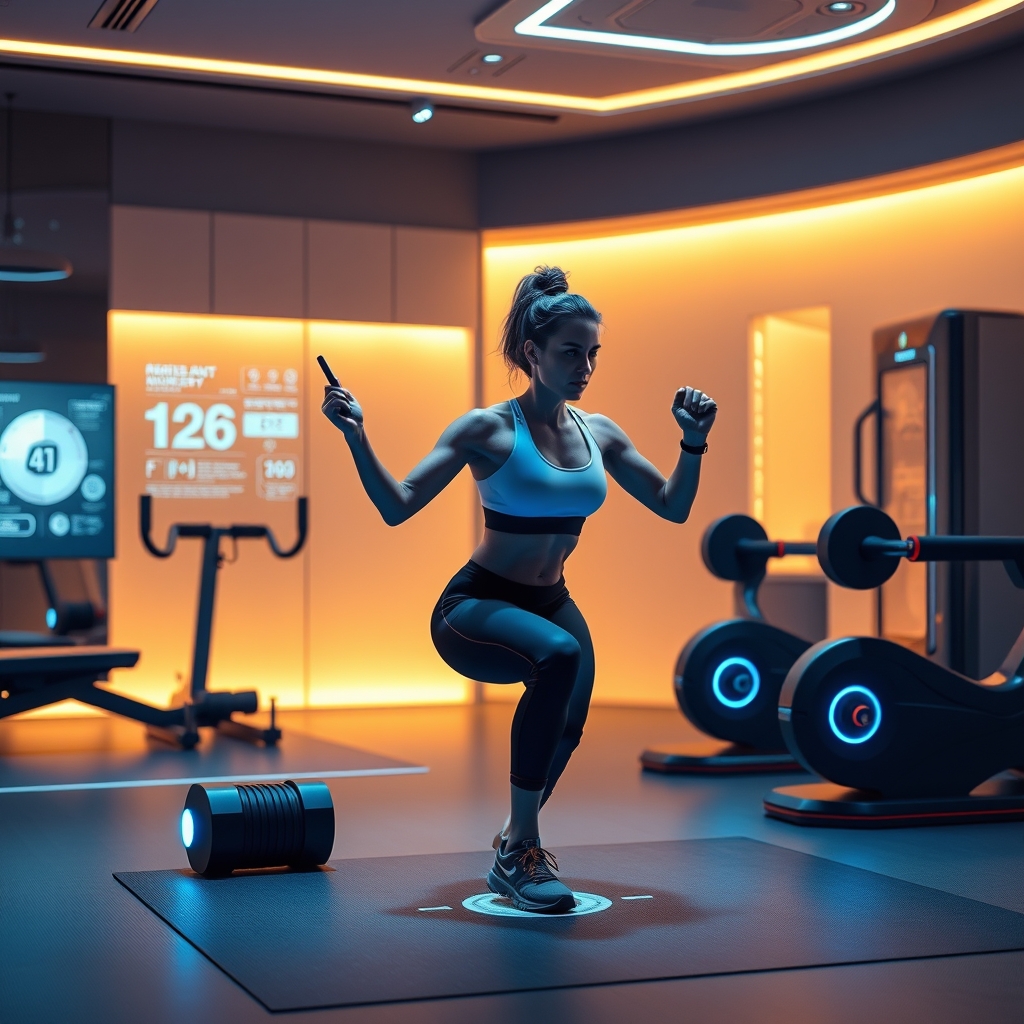
How AI-Powered Smart Home Gyms and Precision Nutrition Are Shaping Hyper-Specific Body Transformations in 2026
By 2026, fitness and gym culture have evolved into a hyper-personalized, tech-driven ecosystem where AI-powered smart home gyms, precision nutrition, and recovery biohacking converge to deliver unprecedented body transformations. If you’re looking to optimize your workouts, diet, and recovery with cutting-edge tools, this guide will show you how AI-driven fitness tech, smart home integration, and data-backed strategies can help you achieve hyper-specific goals—whether it’s sculpting muscle definition, improving endurance, or accelerating recovery. You’ll learn how to leverage these advancements to create a seamless, results-driven fitness routine tailored to your unique physiology and lifestyle.
Key Takeaways
- AI-powered smart home gyms adapt workouts in real-time based on biometric feedback, eliminating guesswork and maximizing efficiency.
- Precision nutrition and AI dieting use metabolic data to craft meal plans that align with your fitness goals, reducing trial-and-error in dieting.
- Recovery tech and biohacking tools like cryotherapy, red-light therapy, and sleep optimization platforms accelerate muscle repair and performance gains.
- Hyper-specific body transformations are now achievable through AI-driven analytics that track progress at a granular level, allowing for micro-adjustments in training and nutrition.
How AI-Powered Smart Home Gyms Are Redefining Personalized Workouts
Smart home gyms in 2026 are no longer static setups with basic equipment. Instead, they integrate AI-driven platforms that analyze your form, strength, and endurance in real-time, adjusting resistance, tempo, and exercises to match your capabilities. For example, AI-powered resistance bands and smart weights use sensors to detect muscle fatigue and suggest modifications, ensuring you train at optimal intensity without overtraining. This level of personalization was once exclusive to elite athletes but is now accessible to everyday fitness enthusiasts.
Voice-activated AI assistants, like those integrated with NIST-approved biometric standards, provide instant feedback on posture, breathing, and movement efficiency. These systems sync with wearables to track heart rate variability (HRV), oxygen saturation, and even cortisol levels, offering a holistic view of your physical state. The result? Workouts that evolve with you, reducing plateaus and keeping progress consistent.
What to Look for in a Smart Home Gym Setup
When investing in a smart home gym, prioritize systems that offer:
- Real-time form correction: AI cameras and motion sensors that provide instant feedback to prevent injury and improve technique.
- Adaptive resistance: Equipment that adjusts weight or tension dynamically based on your performance data.
- Seamless integration: Compatibility with wearables, nutrition apps, and recovery devices for a unified fitness ecosystem.
Precision Nutrition and AI Dieting: Fueling Your Body for Optimal Results
Gone are the days of one-size-fits-all meal plans. In 2026, AI-driven nutrition platforms analyze your metabolic rate, genetic predispositions, and even gut microbiome to craft hyper-personalized diets. These systems consider factors like macronutrient ratios, meal timing, and food sensitivities to optimize energy levels, muscle growth, and fat loss. For instance, AI can predict how your body will respond to a high-protein meal versus a carb-heavy one, allowing for precise adjustments based on your workout schedule.
Apps like Nutrino (acquired by Medtronic) and newer entrants in the space use continuous glucose monitors (CGMs) to track how different foods affect your blood sugar, providing real-time dietary recommendations. This data-driven approach eliminates the guesswork from dieting, making it easier to stay on track and achieve hyper-specific body composition goals.
How to Implement AI-Powered Nutrition in Your Routine
To get started with precision nutrition, consider the following steps:
- Track biometrics: Use wearables or CGMs to monitor how your body responds to different foods and workouts.
- Sync with AI platforms: Input your data into AI-driven apps that generate meal plans tailored to your goals and metabolic profile.
- Adjust dynamically: Allow the AI to refine your diet based on real-time feedback, such as changes in energy levels or recovery rates.
Recovery Tech and Biohacking: The Secret to Faster Gains and Longevity
Recovery is the unsung hero of fitness, and in 2026, biohacking tools have made it more effective than ever. Technologies like cryotherapy chambers, red-light therapy panels, and AI-driven sleep optimization platforms are now commonplace in home setups. These tools accelerate muscle repair, reduce inflammation, and improve overall performance by leveraging scientific principles like photobiomodulation and cold-induced vasoconstriction.
For example, red-light therapy devices (backed by peer-reviewed studies) penetrate deep into muscle tissue, stimulating cellular repair and reducing soreness. Similarly, AI-powered sleep trackers analyze your sleep stages and suggest adjustments to improve recovery, such as optimal bedtime routines or temperature settings for your bedroom. When combined with smart mattresses that adjust firmness based on your sleep position, these tools create an environment conducive to deep, restorative rest.
Top Recovery Tech to Integrate into Your Routine
To enhance your recovery, consider adding these tools to your arsenal:
- Cryotherapy: Reduces inflammation and speeds up muscle recovery post-workout.
- Red-light therapy: Promotes cellular repair and reduces joint pain.
- AI sleep optimization: Tracks sleep quality and suggests improvements for better recovery.
- Compression therapy: Enhances circulation and reduces muscle fatigue.
Achieving Hyper-Specific Body Transformations with AI Analytics
The ability to track progress at a granular level is what sets 2026’s fitness tech apart. AI-driven analytics platforms aggregate data from wearables, smart gym equipment, and nutrition apps to provide a comprehensive view of your transformation journey. These systems identify patterns, such as how your body responds to specific exercises or dietary changes, and suggest micro-adjustments to keep you on track.
For instance, if your goal is to increase muscle definition in your arms, AI can analyze your workout data to determine whether you’re lifting at the optimal frequency and intensity. It can also cross-reference this with your nutrition data to ensure you’re consuming enough protein to support muscle growth. This level of detail allows for hyper-specific transformations, whether you’re aiming for a leaner physique, greater endurance, or improved strength.
To make the most of AI analytics, start by consolidating your data into a single platform. Many smart home gyms and wearables now offer native integration with AI-driven fitness apps, making it easier to track progress and receive actionable insights. Set clear, measurable goals—such as increasing your deadlift by 10% in three months—and let the AI guide you with personalized recommendations. Over time, you’ll notice patterns in your performance and recovery, allowing you to fine-tune your routine for maximum results.
As fitness tech continues to evolve, the key to success lies in embracing these tools to create a holistic, data-driven approach to your health. Whether you’re setting up a smart home gym, optimizing your nutrition with AI, or leveraging recovery tech to enhance performance, the future of fitness is here—and it’s tailored just for you. Start by identifying one area of your routine to upgrade, whether it’s adding a smart resistance trainer or syncing your wearables with an AI nutrition app. Small, intentional steps will compound into transformative results, helping you achieve your goals faster and more efficiently than ever before.
