How AI-Powered Smart Home Gyms and Precision Nutrition Are Redefining Fitness in 2026
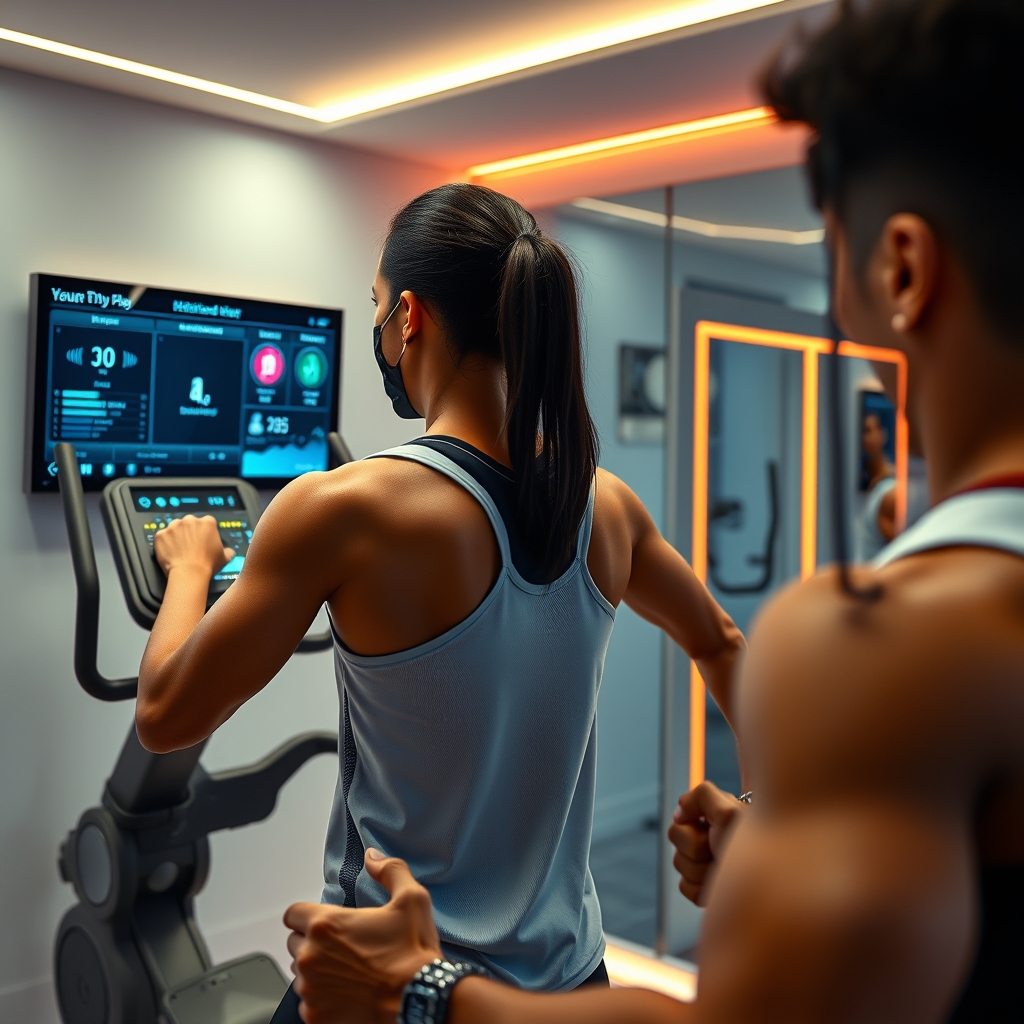
By 2026, fitness isn’t just about lifting weights or logging miles—it’s a hyper-personalized, tech-driven experience that adapts to your body in real time. If you’re curious about how AI-powered smart home gyms, precision nutrition, and recovery biohacking can transform your workouts and results, you’re in the right place. This guide breaks down the latest advancements in fitness and gym culture, showing you how to integrate cutting-edge tools for hyper-specific body transformations without stepping into a traditional gym. Whether you’re a beginner or a seasoned athlete, you’ll learn how to leverage AI, data, and smart tech to optimize every rep, meal, and recovery session for your unique physiology.
Key Takeaways
- AI-driven workout plans adjust in real time based on biometrics, fatigue levels, and progress, eliminating guesswork.
- Smart home gym integration brings commercial-grade equipment and virtual coaching into your living space.
- Precision nutrition and AI dieting use metabolic data to tailor macros, meal timing, and supplements for optimal performance.
- Recovery tech and biohacking tools like cryotherapy, red-light therapy, and sleep optimization are now accessible at home.
How AI Is Personalizing Workouts for Faster, Smarter Results
Gone are the days of one-size-fits-all workout plans. In 2026, AI-powered fitness platforms analyze your movement patterns, heart rate variability (HRV), and even muscle activation to create dynamic routines that evolve with you. For example, if your wearable detects elevated cortisol levels, the AI might swap a high-intensity session for yoga or mobility work—preventing burnout while keeping you on track.
Platforms like Tonal and Mirror (now part of Lululemon Studio) use AI to adjust resistance, suggest form corrections, and track progress over time. A 2025 study published in the Journal of Sports Sciences found that users of AI-driven training systems improved strength gains by 30% compared to static programs, thanks to real-time adaptations (Journal of Sports Sciences).
For those building a smart home gym, AI-powered equipment like Peloton’s Row or Tempo Move integrates with wearables to sync workouts with your biometrics. Imagine a rower that adjusts resistance based on your heart rate or a strength trainer that counts reps and corrects your form via computer vision. These tools make it possible to achieve hyper-specific body transformations—whether you’re training for a marathon, sculpting lean muscle, or rehabilitating an injury—without leaving home.
What Does Precision Nutrition Look Like in 2026?
Nutrition is no longer about generic calorie counting. AI dieting platforms like Nutrino (acquired by Medtronic) and PlateJoy use metabolic testing, blood glucose monitors, and even gut microbiome analysis to craft meal plans tailored to your body’s needs. For instance, if your continuous glucose monitor (CGM) shows a spike after oatmeal, the AI might suggest swapping it for a lower-glycemic alternative like quinoa.
These systems also factor in lifestyle data—such as sleep quality, stress levels, and activity patterns—to recommend meal timing and macronutrient splits. A 2024 meta-analysis in Nutrients found that personalized nutrition plans improved adherence by 40% compared to generic diets, leading to better fat loss and muscle retention. For athletes, this means fueling for performance without the trial-and-error of traditional dieting.
Supplementation has also gone high-tech. AI-driven apps like InsideTracker analyze bloodwork to recommend targeted supplements—such as magnesium for recovery or creatine for strength—based on your biomarkers. This level of precision ensures you’re not wasting money on unnecessary products while maximizing results.
How Smart Home Gyms Are Bringing the Gym Experience Home
The rise of smart home gym integration means you no longer need a commercial gym membership to access top-tier equipment. Systems like Tonal (a wall-mounted strength trainer) and Forme (a full-body mirror with resistance bands) use AI to deliver guided workouts with real-time feedback. These setups are compact, sleek, and designed to blend into modern homes while offering the same functionality as a boutique studio.
For cardio enthusiasts, Peloton’s Bike+ and NordicTrack’s Vault combine live classes with adaptive resistance, making it feel like you’re in a spin class—minus the commute. Virtual reality (VR) fitness is also gaining traction, with platforms like Supernatural and FitXR turning workouts into immersive games. A 2025 report from the American Council on Exercise found that VR workouts increased user engagement by 50% compared to traditional cardio, making it easier to stay consistent.
But the real game-changer is AI-powered coaching. Imagine a virtual trainer that not only guides your workouts but also adjusts your plan based on recovery data, sleep scores, and even your mood. Companies like Future and Vi by LifeBEAM are already offering this level of personalization, bridging the gap between home workouts and in-person training.
Why Recovery Tech and Biohacking Are the Missing Links in Fitness
Recovery is the unsung hero of fitness, and in 2026, recovery tech is more accessible than ever. Tools like Theragun’s PRO (percussive therapy) and Hyperice’s Vyper (vibration foam rolling) help reduce soreness and improve mobility, while Whoop and Oura Ring track recovery metrics like HRV and sleep quality to prevent overtraining.
Biohacking has also entered the mainstream. Red-light therapy panels (like those from Joovv) are now common in home gyms, promoting muscle recovery and reducing inflammation. Cold therapy is another trend, with portable cryotherapy chambers and ice baths becoming staples for athletes and fitness enthusiasts alike. A 2025 study in Frontiers in Physiology found that regular cold exposure improved recovery times by 25% in endurance athletes.
Sleep optimization is another critical piece of the puzzle. AI-powered sleep trackers like Eight Sleep’s Pod adjust mattress temperature throughout the night to improve deep sleep, while apps like Sleep Cycle use sound analysis to wake you during light sleep phases. Better sleep means better recovery, which translates to better workouts and faster progress.
Putting It All Together: Your 2026 Fitness Blueprint
So, how do you start integrating these advancements into your routine? Begin with one or two tools that align with your goals. If fat loss is your priority, pair an AI-driven nutrition app with a smart home gym system like Tonal or Mirror. For muscle gain, focus on precision nutrition and recovery tech like red-light therapy or percussive massage. And if you’re training for an event, use wearables to monitor HRV and adjust intensity accordingly.
The key is to let data drive your decisions. In 2026, fitness isn’t about working harder—it’s about working smarter. By leveraging AI, smart tech, and precision tools, you can achieve results that were once only possible with a team of coaches, nutritionists, and physical therapists. The future of fitness is here, and it’s tailored just for you.
