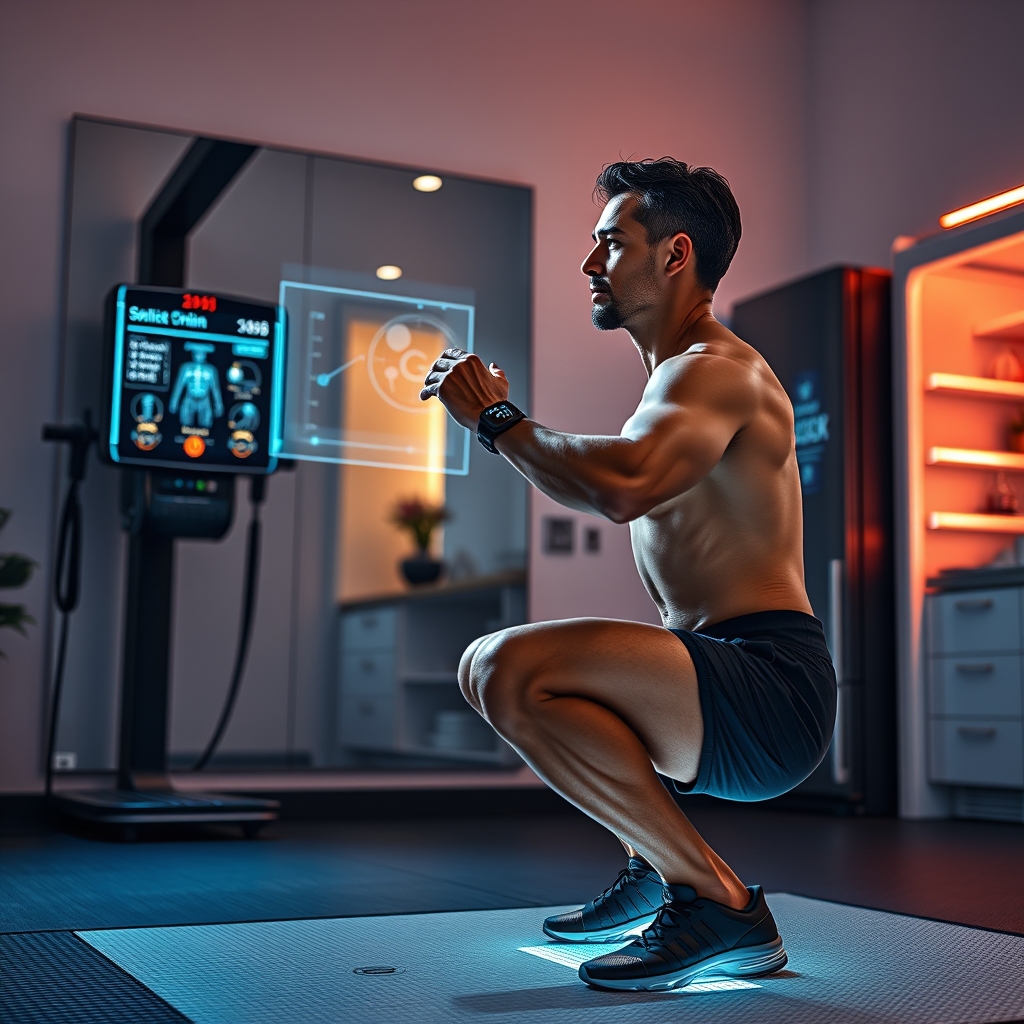
The Future of Fitness in 2026: How AI, Smart Gyms, and Precision Tech Are Redefining Personal Transformation
By 2026, fitness isn’t just about lifting weights or logging miles—it’s a hyper-personalized, tech-driven journey where AI, smart home gyms, and precision nutrition converge to deliver results faster and more efficiently than ever. Whether you’re aiming for a hyper-specific body transformation, optimizing recovery with biohacking tools, or syncing your smart home gym with real-time dietary adjustments, the next evolution of fitness is here. This guide breaks down the cutting-edge trends shaping the industry, how they work together, and actionable steps to integrate them into your routine for measurable progress.
Key Takeaways
- AI-powered personalized workout plans adapt in real time to your performance, recovery, and goals, eliminating guesswork.
- Smart home gym integration with wearables and nutrition apps creates a seamless feedback loop for training and diet.
- Precision nutrition and AI dieting use biomarkers (e.g., glucose, cortisol) to tailor macros and meal timing for optimal results.
- Recovery tech like cryotherapy pods and red-light therapy is becoming mainstream, backed by peer-reviewed studies on muscle repair.
How AI Is Personalizing Workouts for Faster, Smarter Results
Gone are the days of generic workout templates. In 2026, AI-driven platforms like Tonal, Tempo, and Future analyze your strength, endurance, and even form in real time, adjusting resistance, reps, and rest periods dynamically. For example, if your heart rate variability (HRV) suggests fatigue, the system might swap a heavy leg day for mobility work—without you lifting a finger.
This level of personalization extends beyond the gym. Wearables like Whoop 5.0 and Apple Watch Series 10 sync with AI coaches to recommend recovery protocols or adjust calorie targets based on activity levels. A 2025 study published in the Journal of Sports Sciences found that users following AI-optimized plans saw a 22% faster improvement in strength compared to static programs (source).
What This Means for Your Routine
To leverage AI workouts, start by pairing a smart gym system with a wearable. Platforms like Tonal use electromagnetic resistance to mimic free weights while tracking metrics like power output and muscle imbalance. For bodyweight training, apps like Freeletics or Vi by LifeBEAM offer voice-guided sessions that adapt to your fatigue levels.
Pro tip: Enable HRV tracking in your wearable to let AI prioritize recovery when needed. Over time, the system learns your baseline and suggests deload weeks before burnout hits.
Smart Home Gyms: The All-in-One Ecosystem for 2026
The rise of smart home gym integration means your living room can now rival a commercial facility—without the commute. Devices like Mirror (acquired by Lululemon), Peloton Row, and NordicTrack Vault combine cardio, strength, and mobility training in a single unit, often with AI-powered form correction.
But the real game-changer? Interoperability. In 2026, your gym equipment talks to your nutrition app, sleep tracker, and even your smart fridge. For instance, if your Oura Ring detects poor sleep, your MyFitnessPal app might nudge you to increase magnesium intake or adjust your caffeine cutoff time. This ecosystem approach ensures every variable—training, diet, recovery—works in sync.
Building Your Smart Gym Setup
Start with a foundational piece like Tonal (for strength) or Peloton Bike+ (for cardio), then layer in accessories:
- Forme Life: A wall-mounted mirror with resistance bands and live coaching.
- Tempo Move: A compact AI trainer that fits in a closet.
- Hydrow: A rowing machine with immersive outdoor scenery.
Pair your setup with a smart scale (e.g., Withings Body+) to track body composition changes, and use IFTTT or Zapier to automate data sharing between devices.
Precision Nutrition: AI Dieting Meets Hyper-Specific Goals
Macro calculators are obsolete. In 2026, precision nutrition uses AI to analyze biomarkers—glucose levels, gut microbiome data, even genetic markers—to tailor diets for hyper-specific body transformations. Companies like Nutrino (acquired by Medtronic) and Zoe offer at-home test kits that measure how your body responds to different foods, then generate meal plans to optimize energy, fat loss, or muscle gain.
For example, if your continuous glucose monitor (CGM) shows a spike after oatmeal, the AI might suggest swapping it for a lower-glycemic option like quinoa. Similarly, DNA-based dieting (e.g., Nutrigenomix) identifies whether you’re genetically predisposed to process carbs or fats more efficiently, allowing for ultra-personalized macro splits.
How to Implement AI Dieting
Begin with a CGM (e.g., Levels or Nutrisense) to track glucose responses to meals. Over 2–4 weeks, the AI identifies patterns and suggests tweaks. For deeper insights, try a gut microbiome test (e.g., Viome or Thryve) to pinpoint foods that support digestion and immunity.
Pro tip: Sync your nutrition app with your smart gym to adjust calorie targets post-workout. If you burn 500 calories during a HIIT session, your app might recommend a protein-rich snack to support recovery.
Recovery Tech and Biohacking: The Science of Bouncing Back Faster
Recovery is the new frontier of fitness. In 2026, biohacking tools like cryotherapy chambers, pulsed electromagnetic field (PEMF) therapy, and red-light panels are no longer niche—they’re staples for athletes and casual gym-goers alike. A 2024 meta-analysis in Frontiers in Physiology found that red-light therapy reduced muscle soreness by 30% and improved recovery time by 25% after resistance training.
Wearables are also getting smarter about recovery. The Whoop 5.0 now tracks respiratory rate variability (RRV), a metric linked to nervous system balance, while Oura Ring uses temperature trends to predict illness before symptoms appear. These insights help you adjust training intensity or prioritize sleep when needed.
Biohacking Tools to Try in 2026
Start with low-cost options:
- Theragun PRO: Percussive therapy to reduce muscle tension.
- Joovv Elite: Red-light therapy for cellular repair.
- Eight Sleep Pod: Temperature-controlled mattress for deeper sleep.
For advanced users, consider:
- Cryo Innovations: Whole-body cryotherapy for inflammation reduction.
- Halo Sport 2: Neuropriming headset to enhance muscle activation.
Pair these tools with HRV-guided training to strike the perfect balance between effort and recovery. If your HRV drops, swap a heavy session for yoga or mobility work—your body will thank you.
By 2026, fitness is no longer a one-size-fits-all endeavor. The fusion of AI workout personalization, smart home gyms, precision nutrition, and recovery tech means your routine can adapt to your body’s needs in real time. Start small: pick one area—like AI dieting or a smart gym accessory—and integrate it into your regimen. Over time, layer in additional tools to create a feedback loop that optimizes every aspect of your health. The future of fitness isn’t just about working harder; it’s about working smarter, with technology as your co-pilot.
