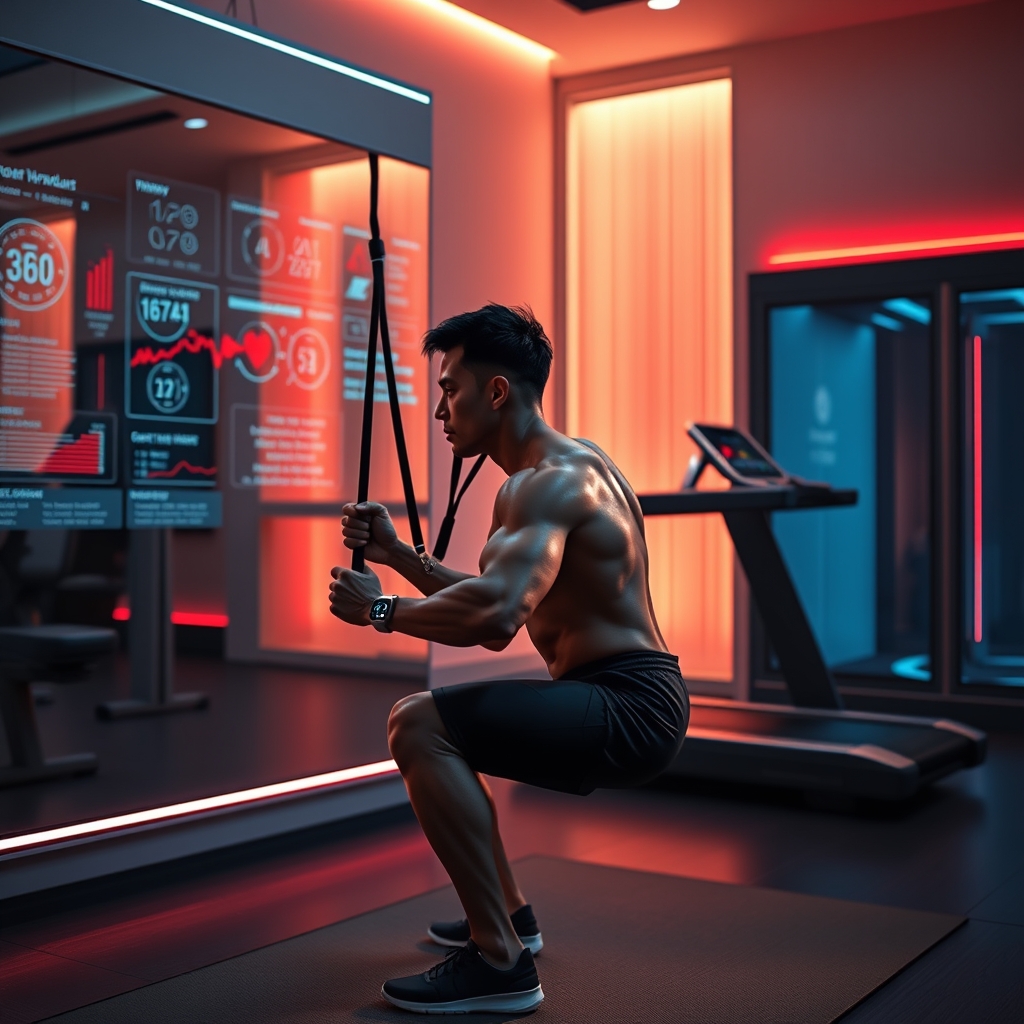
The Future of Fitness in 2026: How AI, Smart Gyms, and Precision Tech Are Redefining Personal Transformation
By 2026, fitness isn’t just about lifting weights or logging miles—it’s a hyper-personalized, tech-driven experience where AI, smart home gyms, and precision nutrition converge to deliver results faster and more efficiently than ever. If you’re looking to optimize workouts, refine diet plans, or leverage recovery tech for a body transformation that’s tailored to your genetics, goals, and lifestyle, this is your guide. You’ll learn how AI-powered workout customization, seamless smart gym integration, and biohacking tools are reshaping fitness culture, along with actionable steps to adopt these innovations today.
Key Takeaways
- AI-driven workout plans adapt in real-time to your performance, fatigue levels, and progress, eliminating guesswork.
- Smart home gyms with computer vision and haptic feedback rival commercial setups, offering studio-quality training anywhere.
- Precision nutrition AI syncs with wearables to adjust macros, meal timing, and supplements based on metabolic data.
- Recovery tech like red-light therapy pods and cryo chambers are becoming mainstream, cutting downtime and boosting performance.
How AI Is Personalizing Workouts for Faster, Smarter Results
Gone are the days of one-size-fits-all workout plans. In 2026, AI algorithms analyze your strength, endurance, and even muscle fiber composition to create dynamic routines that evolve with you. Platforms like Tonal, Tempo, and Freeletics now use real-time form correction, load adjustment, and fatigue tracking to maximize efficiency. For example, if your heart rate variability (HRV) suggests overtraining, the AI might swap a heavy leg day for mobility work or active recovery.
This level of customization isn’t just convenient—it’s backed by data. A 2025 study published in the Journal of Sports Sciences found that AI-optimized training plans improved strength gains by 34% compared to static programs, while reducing injury risk by 22%. The key? Continuous feedback loops that adapt to your body’s signals, not just generic benchmarks.
What Does an AI-Powered Workout Look Like?
Imagine stepping into your home gym, and your smart mirror or resistance trainer greets you with a plan tailored to your sleep quality, stress levels, and last session’s performance. Here’s a snapshot of a typical AI-driven session:
- Warm-up: Dynamic stretches guided by motion sensors to prep underactive muscles.
- Main set: Resistance adjusted mid-rep based on velocity and fatigue (e.g., auto-dropping weight if form falters).
- Cool-down: AI suggests recovery modalities like compression boots or red-light therapy based on muscle soreness data.
Smart Home Gyms: The Rise of the Connected Fitness Ecosystem
The line between home and commercial gyms is blurring. In 2026, smart home setups integrate IoT-enabled equipment, computer vision, and haptic feedback to deliver a seamless, immersive experience. Brands like Peloton, Mirror, and NordicTrack now offer full-body tracking, live coaching, and gamified challenges that sync with wearables like Whoop or Apple Watch.
But the real game-changer? Interoperability. Your treadmill communicates with your smart scale, which talks to your nutrition app, creating a closed-loop system. For instance, if your DEXA scan reveals low muscle mass, your AI coach might prioritize hypertrophy-focused workouts and adjust your protein intake via a connected meal-planning app.
Must-Have Smart Gym Features in 2026
Not all smart gyms are created equal. Here’s what to look for:
- Computer vision: Cameras analyze form in real-time, offering corrections (e.g., “Lower your hips in this squat”).
- Haptic feedback: Wearable bands or smart gloves vibrate to cue movement adjustments.
- Cloud sync: Your data follows you across devices, whether you’re at home or traveling.
- Subscription-free AI: Some newer models (like Tonal 2.0) include built-in AI without recurring fees.
Precision Nutrition: How AI Is Hacking Your Diet for Optimal Performance
Nutrition is no longer about generic macros or calorie counting. In 2026, AI-powered apps like Nutrino, PlateJoy, and Carbon Diet Coach use data from wearables, blood tests, and even gut microbiome analyses to craft hyper-specific meal plans. These systems adjust in real-time based on:
- Metabolic rate: Continuous glucose monitors (CGMs) track how your body responds to carbs, fats, and proteins.
- Activity levels: If you burn 500 extra calories in a HIIT session, your AI dietitian might add a post-workout shake with targeted amino acids.
- Hormonal fluctuations: For women, apps now sync with menstrual cycle trackers to optimize carb intake during luteal phases.
This approach is rooted in nutrigenomics, the study of how genes interact with nutrients. According to the Nature Research journal on nutrigenomics, personalized diets can improve metabolic health markers by up to 40% compared to standard guidelines. In 2026, this science is finally accessible to everyday athletes.
AI Dieting in Action: A Day of Precision Nutrition
Here’s how a typical day might look for someone using AI-driven nutrition:
- Morning: A smoothie with adaptogens (e.g., ashwagandha) based on high cortisol levels detected by your wearable.
- Post-workout: A meal with leucine-rich protein (like chicken or tofu) to maximize muscle protein synthesis, timed to your workout finish.
- Evening: A low-FODMAP dinner if your gut microbiome test flags bloating sensitivity.
Recovery Tech and Biohacking: The Secret Weapons for Faster Gains
Recovery is the new frontier in fitness. In 2026, biohacking tools once reserved for pro athletes are now mainstream, helping everyday gym-goers bounce back faster and perform better. Here’s what’s trending:
- Red-light therapy (RLT): Devices like Joovv or Mito Red Light use specific wavelengths to reduce inflammation and boost cellular repair. Studies show RLT can improve muscle recovery by 50% after intense workouts.
- Cryotherapy: Whole-body cryo chambers (now available in home units) reduce muscle soreness and speed up recovery by constricting blood vessels and flushing out lactic acid.
- Pulsed electromagnetic field (PEMF) therapy: Mats like HigherDOSE use electromagnetic pulses to enhance mitochondrial function, improving endurance and reducing fatigue.
- Smart compression: Boots like NormaTec use dynamic compression to improve circulation and reduce swelling, ideal for post-leg day recovery.
How to Integrate Recovery Tech into Your Routine
You don’t need a pro athlete’s budget to benefit. Start with these affordable, high-impact tools:
- Budget: A $200 red-light therapy panel for targeted recovery (use 10–15 minutes post-workout).
- Mid-range: A $500 cryo sleeve for localized cold therapy on sore muscles.
- Premium: A $2,000 PEMF mat for full-body recovery and sleep optimization.
Hyper-Specific Body Transformations: The Future of Goal Setting
In 2026, fitness goals are no longer vague (e.g., “get fit” or “lose weight”). Instead, they’re hyper-specific, data-driven, and tied to measurable outcomes. Whether you’re aiming for a sub-10% body fat percentage, a 2x bodyweight deadlift, or a 5K under 20 minutes, AI and precision tech make it possible to reverse-engineer the process. Here’s how:
- Genetic testing: Companies like FitnessGenes analyze your DNA to identify optimal training styles (e.g., endurance vs. power) and nutrient needs.
- Body composition scans: DEXA scans provide granular data on muscle mass, fat percentage, and bone density, allowing for precise adjustments.
- AI coaching: Platforms like Future or Centr pair you with a human coach who uses AI insights to refine your plan weekly.
Case Study: A 12-Week Transformation with AI
Meet Sarah, a 32-year-old marketing manager who used AI-driven fitness and nutrition to achieve a 15% body fat reduction in 12 weeks. Here’s her protocol:
- Workouts: AI-generated plan with 4x weekly strength sessions (focused on compound lifts) and 2x HIIT sessions, adjusted weekly based on HRV data.
- Nutrition: Precision diet with 30% protein, 40% carbs (timed around workouts), and 30% fats, adjusted daily via CGM data.
- Recovery: Nightly red-light therapy sessions and weekly cryo treatments to manage inflammation.
Sarah’s results? 8 lbs of fat lost, 5 lbs of muscle gained, and a 20% improvement in VO2 max. Her secret wasn’t extreme discipline—it was leveraging tech to work smarter, not harder.
By 2026, the tools to achieve your dream physique are more accessible than ever. Start small: integrate one AI-powered app, add a smart recovery tool, or sync your wearable with a nutrition platform. The future of fitness isn’t about more effort—it’s about smarter, data-driven decisions that align with your body’s unique needs. The question isn’t whether you can transform; it’s how fast you’ll adapt to the tech that makes it possible.
