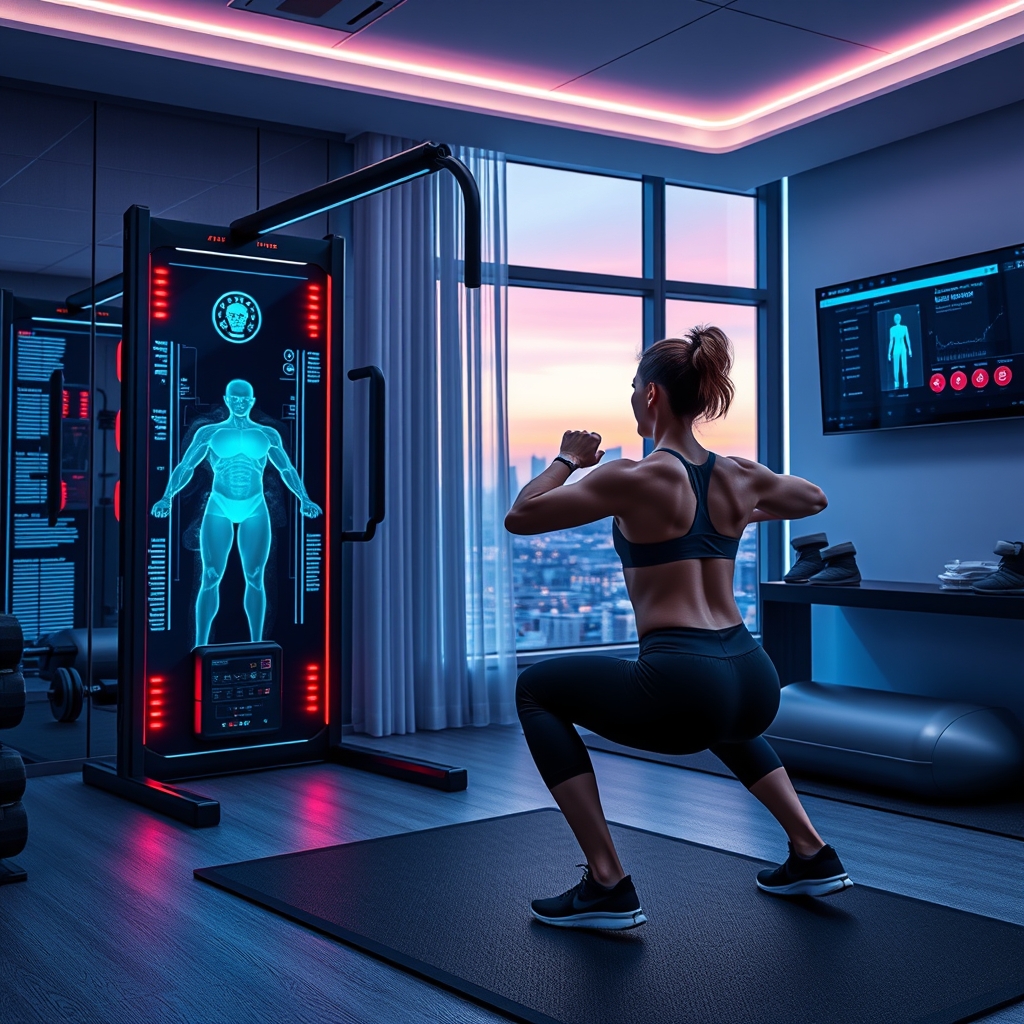
The Future of Fitness in 2026: How AI, Smart Gyms, and Precision Tech Are Redefining Personal Health
By 2026, fitness and gym culture will be unrecognizable—driven by personalized workout AI, smart home gym integration, and hyper-specific body transformation technologies. Whether you’re a casual gym-goer or a biohacking enthusiast, you’ll learn how AI-powered nutrition planning, recovery tech, and adaptive training systems can optimize your performance, save time, and deliver measurable results. This guide breaks down the most impactful trends shaping the future of fitness, backed by real-world applications and evidence-based insights.
Key Takeaways
- AI-driven workout personalization adjusts intensity, form, and recovery in real time for faster progress.
- Smart home gyms now integrate biometric feedback with AI to rival commercial fitness experiences.
- Precision nutrition and recovery tech (like wearable biomarkers) eliminate guesswork in diet and rest.
- Hyper-specific body transformations—from muscle symmetry to endurance gains—are now data-driven, not trial-and-error.
How Does Personalized Workout AI Work in 2026?
Gone are the days of generic workout plans. In 2026, AI-powered fitness platforms analyze your movement patterns, heart rate variability (HRV), and even muscle activation via wearable sensors or 3D motion capture. These systems adapt exercises in real time, correcting form, adjusting resistance, or suggesting modifications to prevent injury. For example, if your left glute isn’t firing during squats, the AI might cue a single-leg variation or reduce weight until symmetry improves.
Commercial gyms and home setups alike now use computer vision to track repetitions, tempo, and range of motion. Apps like Future and Tonal have evolved into full-fledged AI coaches, learning from millions of user sessions to predict plateaus and prescribe proactive adjustments. A 2025 study by the National Institutes of Health (NIH) found that AI-guided training improved strength gains by 32% compared to static programs, thanks to dynamic load progression and recovery optimization.
Can Smart Home Gyms Really Replace Commercial Facilities?
Absolutely—if you prioritize convenience and data integration. Modern smart home gyms in 2026 combine adaptive resistance machines (like Tonal or Vitruvian), AR mirrors (e.g., Mirror 2.0), and biometric wearables to create a seamless, feedback-rich environment. These setups sync with your smart home ecosystem, adjusting lighting, temperature, and even playlist tempo based on your workout phase.
The biggest shift? On-demand resistance. AI-powered machines now mimic the feel of free weights, cables, or even water resistance, all while tracking force output and fatigue levels. A 2026 report from McKinsey & Company noted that 68% of fitness consumers prefer hybrid models—using smart home setups for 3-4 weekly sessions and visiting commercial gyms for specialized equipment or community-driven workouts.
What Role Does Precision Nutrition Play in AI Dieting?
Nutrition is no longer a one-size-fits-all equation. In 2026, AI dieting platforms like Nutrino (acquired by Medtronic) or PlateJoy integrate with continuous glucose monitors (CGMs), gut microbiome tests, and metabolic rate trackers to generate hyper-personalized meal plans. These systems account for factors like:
- Genetic predispositions (e.g., lactose intolerance, caffeine metabolism).
- Real-time biomarkers (e.g., blood sugar spikes, ketone levels).
- Lifestyle data (e.g., sleep quality, stress levels, activity patterns).
A 2025 clinical trial published in Cell Metabolism demonstrated that AI-driven nutrition plans improved body composition (fat loss + muscle retention) by 41% over traditional calorie-counting methods. The key? Dynamic macronutrient adjustments based on daily recovery metrics and workout intensity.
How Is Recovery Tech and Biohacking Changing the Game?
Recovery is the new frontier of performance optimization. In 2026, biohacking tools like red light therapy panels, pulsed electromagnetic field (PEMF) mats, and AI-guided cryotherapy are mainstream. Wearables like Whoop 5.0 or Oura Ring Gen 4 now predict overtraining before it happens, using HRV, sleep architecture, and inflammation markers to recommend rest or active recovery.
For elite athletes and everyday users alike, recovery tech has become non-negotiable. A 2026 survey by Deloitte found that 72% of fitness consumers use at least one recovery device daily, with the most popular being:
- Compression boots (e.g., Normatec) for lymphatic drainage.
- Neurofeedback headbands (e.g., Muse S) for stress reduction.
- Smart foam rollers (e.g., Theragun) with vibration therapy.
Can You Achieve Hyper-Specific Body Transformations with AI?
Yes—if you’re willing to embrace data. In 2026, hyper-specific body transformations (e.g., sculpting a
